You've been taking lessons for half a year now. The instructor stopped hovering behind you during trot work last month. Last week, she mentioned something about leasing being "an option to consider soon." But here you are at midnight, scrolling through horse sale listings again, doing mental math on your savings account.
Here's the thing about horses versus other purchases: that new car won't have opinions about whether today feels like a working day. Your horse will. Mailboxes might suddenly become terrifying. Random Tuesdays might turn into "let's test every boundary" days. This animal becomes woven into your daily routine for two decades minimum. Get this choice wrong and barn visits become dread-filled obligations. Get it right and you'll kick yourself for not doing this years ago.
I've watched too many people learn this lesson the expensive way. One woman at our facility bought this gorgeous chestnut Arabian because his photos looked magazine-worthy. Ninety days and two ER copays later, she sold him for half what she paid. Another guy decided a four-year-old Thoroughbred straight from the track would be "an interesting challenge." Turns out his idea of interesting involved his chiropractor's cell number on speed dial after repeatedly eating arena dirt.
The smart approach? Research which breeds have reputations for producing reliable, patient horses over generations. Animals that won't make you pay dearly for bouncing in the saddle or grabbing rein accidentally during a stumble. This guide walks through ten breeds that consistently create positive first-horse experiences, actual costs you'll face, and where to locate these horses beyond just daydreaming about them.
What Makes a Horse Breed Suitable for Beginners?
Yes, every single horse has individual personality. I've known mellow Arabians. I've dealt with psychotic Quarter Horses. But acting like breed means nothing? That's like claiming dog breeds don't influence behavior patterns. Hundreds of years of selective breeding created identifiable tendencies—ignoring that reality just makes horse shopping weirdly random and unnecessarily risky.
Temperament Traits That Matter Most
Cooperative attitude matters more than anything else combined. You want horses whose ancestors spent centuries working alongside humans willingly, not independently or against them. Breeds developed for battlefield use or pure speed? Those animals question your authority regularly. Ranch stock, farm workers, family mounts? They default to assuming you know what you're doing and get busy with the task.
Measured responses separate manageable scary moments from catastrophic ones. Every horse spooks sometimes. Prey animals who didn't react fast became something's dinner—evolution hard-wired this response. The real question: what happens after that initial startle? Does your horse jump sideways maybe two feet, blow hard through his nostrils, then stand waiting for your reassurance? Or does he take off running for three miles before his brain comes back online? First scenario keeps you safe. Second scenario has you walking home in your boots.
Tolerance for fumbling protects your confidence during those brutal first months of ownership. You will mess up. Cues will be confusing. You'll lose balance and grab mane during canter transitions. You'll forget checking the girth tightness and feel your saddle slip. Horses bred for beginners basically shrug off these mistakes and continue working. High-strung horses absolutely lose their minds when handling becomes inconsistent.
Moderate energy levels transform daily life into something dramatically easier. Picture grooming a horse standing quietly versus one constantly fidgeting, pawing, swinging his hindquarters around every fifteen seconds. Think about mounting at the block with a horse who waits patiently versus one walking off when you're halfway on. Lower baseline energy means spending less time managing the animal and more time actually riding.
Size and Physical Considerations
Author: Garrett Holloway;
Source: 3templatedesign.site
Height transforms everything about horse ownership. A 17-hand Warmblood photographs impressively—until you attempt mounting from the ground and discover you need actual climbing equipment. Most adult beginners discover horses measuring 14.2 to 15.2 hands feel practical. You can mount without gymnastics. You can reach their ears when you're putting the bridle on. You feel less like you're working next to a moving building during ground work.
Carrying capacity follows the 20% guideline: horses comfortably carry 20% of their body weight including tack weight. A 1,000-pound horse handles a 200-pound rider without issues. Add a beginner bouncing around because their balance hasn't developed yet? You're pushing those physical limits hard. Sore backs create behavioral problems frighteningly fast.
Sturdy build beats flashy movement for beginners. Look for thick cannon bones, well-shaped hooves, strong backs. These physical characteristics translate to fewer vet bills and less specialized care requirements. When you're still learning what "normal" looks like on a horse, starting with one physically built to stay sound gives you breathing room for inevitable mistakes.
Breed
Temperament Rating (1-5)
Energy Level
Trainability
Typical Height
Best For
Quarter Horse
5
Medium
Excellent
14.3-16 hands
Western events, trail riding
Morgan
5
Medium
Excellent
14.1-15.2 hands
Multiple disciplines, driving
Haflinger
5
Low-Medium
Very Good
13.2-15 hands
Relaxed trail riding
Welsh Cob
4
Medium
Very Good
13.2-15.2 hands
Driving, lower-level jumping
Paint Horse
5
Medium
Excellent
14.2-16 hands
Western riding, trails
Norwegian Fjord
5
Low-Medium
Excellent
13.2-14.2 hands
Trail riding, driving
Tennessee Walking Horse
4
Medium
Very Good
14.3-17 hands
Trail riding, smooth gaits
Connemara Pony
4
Medium-High
Very Good
13-15 hands
Jumping, eventing
Appaloosa
4
Medium
Good
14.2-16 hands
Western disciplines, trails
Icelandic Horse
4
Medium
Very Good
13-14 hands
Gaited riding, trails
Top 10 Beginner-Friendly Horse Breeds Ranked
Quarter Horses – America's Most Versatile Pick
Walk into any lesson barn between Montana and Florida. Count the Quarter Horses. There's usually at least three. Sometimes the entire lesson string is nothing but Quarter Horses because trainers know these horses deliver consistent results with nervous beginners.
Ranch work created this temperament over generations. Cowboys needed horses handling cattle all day without melting down emotionally. Cows bolt unpredictably. Ropes snap without warning. Gates slam. Quarter Horses had to respond quickly to cues without overreacting to surrounding chaos. Modern Quarter Horses inherited that steady, get-it-done mentality naturally. They default to "yes" first, ask questions later.
Their compact, heavily muscled bodies provide stability for wobbly beginners. That low center of gravity helps tremendously—you feel secure instead of perched precariously on top. Quarter Horses dominate Western riding disciplines (barrel racing, reining, trail classes) but adapt to English work without drama.
Watch their weight though. Quarter Horses gain weight by breathing. I've watched horses kept on dirt lots with minimal grazing still get fat because their metabolisms run that efficiently. New owners often overfeed because "he looks hungry." Then you're managing laminitis and insulin resistance issues. Be strict with portions now or pay the vet later.
Morgan Horses – Compact and Willing Partners
Morgans pack ridiculous versatility into bodies ranging from 14.1 to 15.2 hands. Still deciding between dressage, jumping, trail riding, and driving? A Morgan will do all of it competently without complaining. This breed legitimately doesn't care which discipline you choose.
What separates Morgans from other versatile breeds? How bonded they get with their owners. Turn yours out in the pasture and he'll probably walk up to you without bribery. Not because he smells treats in your pocket—he genuinely enjoys human company. This social nature accelerates training because you're working with a willing participant instead of convincing a reluctant employee to cooperate.
Their naturally arched necks and expressive faces photograph beautifully if that matters to you. But pretty comes packaged with smart—maybe too smart. Morgans remember everything that happens. Train them consistently and they're brilliant. Be inconsistent and they'll exploit every loophole you accidentally create during training. They're not stubborn exactly. They just have enough brain cells to question instructions that don't follow logical patterns.
Appaloosas – Hardy and Even-Tempered
Those spotted coats make Appaloosas instantly recognizable in any herd. Forget the coat pattern temporarily. Focus on their heritage: the Nez Perce tribe bred these horses for stamina, sure-footedness, and reliable temperament across brutal mountain terrain. Modern Appaloosas still carry those characteristics forward.
Planning to trail ride? Especially steep, rocky, unpredictable mountain trails? Appaloosas excel in this environment. They don't spook at every shadow moving. Weather extremes don't freak them out emotionally. Their hooves are famously tough—many go barefoot even on gravel roads. Lower farrier bills accumulate into real money saved over years.
Some Appaloosas show independence during rides. They'll make executive decisions if you seem uncertain about what to do next. That actually helps beginners who legitimately don't know the right answer in every situation. Your horse choosing to walk around the mud puddle instead of through it isn't defiance or disrespect. It's common sense and self-preservation. As your confidence builds over months, you'll appreciate having a horse with enough self-preservation instinct to keep you both safe.
The spotted coat gene occasionally links to eye problems in certain bloodlines. Ask breeders directly about this issue when shopping. Otherwise, Appaloosas are typically sound and healthy with basic care requirements.
Haflinger – The Gentle Golden Breed
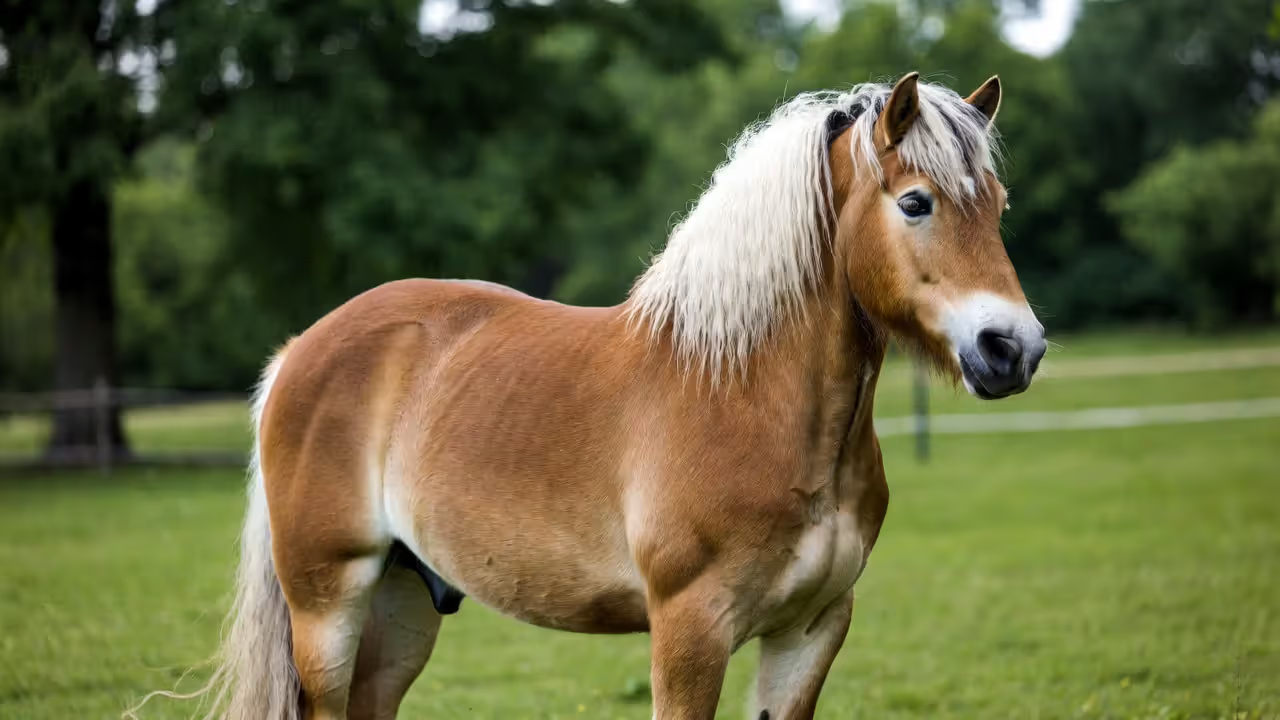
Picture a golden teddy bear weighing 900 pounds. That's a Haflinger. Chestnut coats with platinum-blonde manes look straight from a storybook illustration, and their personalities match that fairy-tale image—gentle, patient, and tolerant of beginners doing genuinely dumb things.
Austrian mountain farmers developed Haflingers to haul heavy loads up steep trails without panicking or balking. That history produced horses who simply don't spook at much of anything. Barking dogs? Flapping tarps? Weird shadows? A Haflinger glances at it, decides it poses no actual life threat, and continues walking. For anxious beginners, this bomb-proof attitude is genuinely priceless.
Don't let their 13.2 to 15 hand height fool you about capability. Haflingers carry full-grown adults comfortably thanks to their draft-horse build and bone structure. They've got substance, muscle, and bone density despite being technically pony-sized by registry standards. Therapeutic riding programs love them precisely because they're so steady and trustworthy with unpredictable riders.
Your main challenge? Haflingers live to eat everything in sight. They need strict diet management or they'll transform into round golden balloons. New owners struggle with this constantly—those faces are ridiculously hard to say no to when they're begging. But you must stay firm, or you'll battle laminitis and other weight-related disasters.
Welsh Cob – Steady and Strong
Author: Garrett Holloway;
Source: 3templatedesign.site
Welsh Cobs represent the larger end of Welsh pony breeding (Section D in registry terms). Standing 13.2 to 15.2 hands, they bridge the gap between large pony and small horse perfectly. Families with kids and adults often choose Welsh Cobs because everyone in the family can ride the same animal comfortably.
These horses move beautifully—lots of natural suspension and power making them comfortable despite their sturdy build. Athletic enough for jumping, graceful enough for dressage work, strong enough for driving carriages. That combination keeps them interesting as your skills improve over years instead of outgrowing them quickly.
Welsh Cobs evolved in harsh Welsh hill country, creating incredible hardiness over generations. They tolerate imperfect conditions without falling apart. Forgot to blanket when temperatures dropped overnight? They're probably fine. Paddock turned muddy after three days of rain? They'll handle it without problems. This resilience helps beginners who haven't yet perfected management routines and make occasional mistakes.
Here's the catch: Welsh Cobs are clever. Really, really clever. They need clear, consistent rules from day one or they'll train you instead of the reverse happening. Working with a good trainer, beginners do wonderfully with Welsh Cobs. Going it alone without professional guidance? You might discover your pony runs the show completely.
Paint Horses – Calm and Colorful
Paint Horses share Quarter Horse bloodlines, meaning they inherited similar steady temperaments through genetics. The American Paint Horse Association requires stock-type conformation plus Quarter Horse or Thoroughbred ancestry, keeping temperament consistent across the breed registry.
Like their Quarter Horse cousins, Paints demonstrate remarkable patience with rider mistakes and inconsistencies. Lesson programs love them because they'll execute the same exercise fifty times without getting sour or resistant. They tolerate inconsistent aids, unbalanced riders, and repetitive beginner movements without developing attitude problems.
Their distinctive tobiano, overo, or tovero coat patterns add visual appeal if you care about color and appearance. Honestly though, temperament matters infinitely more than appearance when you're learning foundational skills. The bonus is Paints deliver both—calm minds wrapped in eye-catching packages that photograph well.
Paints work for Western events, adapt to English riding disciplines, and make excellent trail horses. Their widespread popularity creates advantages: trainers experienced with the breed are everywhere, tack manufacturers design equipment specifically for their build, and you'll have plenty of community support.
One genetic consideration: improperly bred overo-to-overo pairings can produce lethal white syndrome foals. Responsible breeders test for this genetic issue, but verify breeding history when purchasing. Otherwise, Paints are generally healthy, sound horses requiring standard care.
Tennessee Walking Horses – Smooth Gaits for Comfort
Got back problems? Joint issues? Just hate bouncing around at the trot like a sack of potatoes bouncing down stairs? Tennessee Walking Horses deserve serious consideration. Their signature "running walk" covers ground quickly without the jarring motion that makes most beginners clench their teeth and death-grip the saddle horn desperately.
This isn't a trained gait requiring years of conditioning—it's hardwired genetically into the breed. You don't need years of professional training to achieve it. Your Tennessee Walker arrives pre-programmed with smooth gaits built in. That comfortable ride helps beginners develop secure seats faster because they're not fighting constant bouncing motion.
Tennessee Walkers typically stand 14.3 to 17 hands, with most falling in the comfortable 15-16 hand range. Their temperaments lean toward calm and people-oriented naturally. When startled, they're more likely to stop than bolt—a critical safety feature providing extra seconds to process unexpected situations and regain composure.
The breed has a troubled show history involving "soring" (illegal abuse techniques to enhance gait). While most pleasure and trail breeders operate ethically, be cautious when buying. Seek horses from trail lines rather than show stock specifically. Ask lots of detailed questions about training methods used. Ethical breeders happily discuss their philosophy and practices in extensive detail.
Icelandic Horses – Small but Confident
Don't call them ponies—Icelandic owners get genuinely touchy about that terminology. Despite standing just 13-14 hands, these horses pack full-sized confidence and ability into compact bodies. Iceland's harsh environment and minimal human intervention during centuries of development created horses with exceptional independence, hardiness, and sensible reactions to challenges.
Icelandics perform five gaits instead of the usual three found in most breeds. Walk, trot, canter—those are standard across horses. Then they add tölt (a four-beat lateral gait) and flying pace. The tölt provides smooth, fast movement you can sit comfortably from day one of ownership. It's the equine equivalent of cruise control: efficient, comfortable, and confidence-building for new riders still developing balance.
Companionship comes naturally to Icelandics. They're social creatures who genuinely enjoy human interaction, making daily care more pleasant than dealing with aloof horses. Their thick double coats mean minimal blanketing even in freezing temperatures. Their legendary hoof toughness often means no shoes needed year-round. Maintenance stays relatively straightforward compared to high-maintenance breeds.
Finding one locally might prove challenging—they're less common in the US than Quarter Horses or Morgans by far. Fewer trainers specialize in gaited breeds generally and Icelandics specifically. They're also "easy keepers" (polite code for "gains weight by smelling hay from across the barn"), requiring careful feeding management. Their independence requires clear leadership—they'll cooperate happily with confident handlers but won't tolerate wishy-washy commands.
Norwegian Fjord – Ancient and Trustworthy
Norwegian Fjords look like they walked straight out of prehistoric cave paintings from 30,000 years ago. That dun coloring, black dorsal stripe running down their backs, and distinctive two-toned mane (traditionally cut to stand upright) reflect thousands of years of essentially unchanged breeding. They're living history—and their ancient, steady temperament survived intact through all those generations.
Viking farmers needed horses who wouldn't panic hauling loads through Norwegian mountains. That selection pressure over centuries produced horses with almost supernatural calm. Fjords are the friend who never freaks out, never creates drama, and always keeps their head during emergencies. For nervous beginners, this rock-solid reliability is genuinely priceless and impossible to overstate.
They rarely exceed 14.2 hands but possess draft horse strength compressed into that compact frame. Their backs are wide and stable—excellent for balance-challenged beginners still learning. They're hugely popular in therapeutic riding programs because they tolerate unusual mounting procedures, wheelchairs, and unpredictable movements without concern. That same steady mind serves anxious new owners perfectly.
Fjords move more like draft horses than refined riding breeds—they're not built for speed or serious jumping competitions. If your goals involve competitive jumping or racing, look elsewhere honestly. For pleasure riding, trail work, and general horsemanship? Nearly perfect in every way. They're steady, willing, and almost impossible to rattle emotionally.
Connemara Pony – Athletic Yet Forgiving
Author: Garrett Holloway;
Source: 3templatedesign.site
Ireland's rugged western coastline produced the Connemara: hardy, intelligent, and surprisingly athletic for their size. Standing 13-15 hands, they're technically ponies by registry standards but move more like horses. Connemaras have competed successfully at high-level eventing and show jumping despite their size—something you won't see from most pony breeds.
For beginners, Connemaras offer an interesting progression path forward. They're talented enough to grow with improving rider skills but forgiving enough for learning-phase mistakes. They'll tolerate awkward jumping positions or inconsistent rein contact while still providing feedback helping you improve naturally. They're patient teachers with enough ability to stay interesting long-term as you advance.
Connemaras think independently on cross-country courses and trails. They'll choose safe paths automatically and adjust their stride to terrain without being told. This intelligence keeps riders safer but can feel like stubbornness initially—your Connemara might question a decision he thinks is dangerous or illogical. Ultimately, that saves you from making potentially hazardous mistakes, but it requires establishing clear communication patterns early.
They're more energetic than Haflingers or Fjords by nature. Connemaras need regular exercise to stay mentally satisfied and physically sound. Beginners who ride consistently do wonderfully with them. Those planning occasional weekend rides might find a Connemara too much horse during long breaks between riding sessions.
Horse Breeds to Avoid as a First-Time Owner
Some magnificent breeds present challenges that overwhelm beginners and create genuinely dangerous situations nobody needs.
Thoroughbreds possess hair-trigger sensitivity and forward motion bred specifically for racing speed. They read the tiniest cues instantly—wonderful when you're skilled enough to control your body language consciously, overwhelming when you're not. A shift in your seat sends them forward. A tense grip on the reins makes them anxious and worried. Their high energy demands consistent work and confident handling daily. Many off-track Thoroughbreds (OTTBs) retrain successfully, but that retraining process requires expertise most beginners simply haven't developed yet.
Arabians combine sharp intelligence with intense sensitivity and high energy levels. They're incredibly people-focused but also incredibly aware of everything happening around them constantly. The plastic bag that a Quarter Horse ignores completely might send an Arabian sideways three feet. Their quick minds absorb training rapidly—which means they master bad habits as quickly as good ones. Beginners often accidentally teach Arabians unwanted behaviors through inconsistent handling without realizing it.
Warmbloods (Dutch, Hanoverian, Oldenburg, and similar sport breeds) were developed specifically for upper-level sport horse performance. Many have lovely temperaments individually, but their size (frequently 16-17+ hands), power, and athleticism require experienced handling skills. They're expensive to purchase and maintain, making mistakes costly financially. Their sensitivity means they respond to unintentional cues, creating confusion when your body gives signals you don't realize you're giving.
None of these breeds are bad horses—they're simply bred for purposes that prioritize performance characteristics over beginner-friendliness. Some individual horses from these breeds make suitable beginner mounts, but they're exceptions rather than the rule.
How to Match Horse Temperament to Your Riding Goals
Breed provides your starting point, but matching temperament to specific goals ensures you'll actually enjoy horse ownership long-term instead of dreading barn time.
Trail riding enthusiasts need horses comfortable with varied terrain, capable of going out alone or in groups, and calm during unexpected wildlife encounters or vehicle traffic. Tennessee Walking Horses, Haflingers, Norwegian Fjords, and Appaloosas excel in this environment. Their steady minds and sure-footedness turn trail miles into relaxation rather than white-knuckle anxiety rides.
Western pleasure riders interested in arena patterns and lower-key competition find natural partners in Quarter Horses and Paint Horses. These breeds perform Western maneuvers naturally—their body structure and movement patterns suit the required tasks perfectly. Their calm dispositions handle repetitive practice sessions without becoming resistant or bored.
English riding newcomers exploring dressage, hunter/jumper, or general flatwork benefit from Morgans, Welsh Cobs, or Connemaras. These breeds possess the movement quality and trainability English disciplines require while maintaining forgiving temperaments. They're athletic enough to progress as skills improve but patient enough through the awkward learning phase.
Casual owners wanting a backyard companion for occasional rides should prioritize steady temperament over performance potential. Haflingers, Norwegian Fjords, and Icelandic Horses maintain pleasant personalities despite irregular riding schedules. They don't need daily work to stay mentally sound, though they obviously still require consistent care and attention.
The biggest mistake I see beginners make involves choosing a horse based purely on appearance or general breed reputation without properly assessing that specific individual's temperament and their own realistic commitment level. A horse from a traditionally 'beginner breed' that's been mishandled or represents a high-energy individual within an otherwise calm breed can prove just as challenging as any hot-blooded breed. Always evaluate the specific horse standing in front of you, ideally with professional help, rather than relying solely on breed generalizations.
— Dr. Sarah Mitchell
Cost Comparison: Buying and Maintaining Beginner Horses by Breed
Understanding financial commitments upfront prevents the all-too-common scenario of buying your dream horse then realizing three months later you can't afford to keep him properly.
Breed
Average Purchase Price
Monthly Feed Cost
Common Health Concerns
Annual Maintenance Estimate
Quarter Horse
$3,000-$10,000
$150-$250
Obesity tendencies, HYPP in certain bloodlines
$3,500-$6,000
Morgan
$4,000-$12,000
$150-$250
Generally hardy with few breed-specific issues
$3,500-$6,000
Haflinger
$4,000-$8,000
$100-$200
Obesity tendencies, laminitis risk if overfed
$3,200-$5,500
Welsh Cob
$5,000-$12,000
$150-$250
Generally hardy with standard care needs
$3,500-$6,000
Paint Horse
$3,000-$10,000
$150-$250
Lethal white only if improperly bred
$3,500-$6,000
Norwegian Fjord
$5,000-$15,000
$100-$200
Generally hardy with minimal health issues
$3,200-$5,500
Tennessee Walking Horse
$3,000-$8,000
$150-$250
Generally sound when from ethical breeding
$3,500-$6,000
Connemara
$5,000-$15,000
$125-$225
Generally hardy overall
$3,300-$5,800
Appaloosa
$2,500-$8,000
$150-$250
Eye issues in certain bloodlines, otherwise hardy
$3,500-$6,000
Icelandic Horse
$5,000-$12,000
$100-$200
Generally hardy, obesity risk from efficient metabolism
$3,200-$5,500
Annual maintenance covers routine veterinary care (vaccines, dental floating, deworming protocols), farrier visits every 6-8 weeks, feed costs, bedding if stalled, and basic tack upkeep. This doesn't include emergency vet care—budget a separate $1,000-$2,000 cushion minimum for unexpected illnesses or injuries that will inevitably happen.
Purchase prices swing dramatically based on training level, age, geographic location, and individual quality. Well-trained horses genuinely suitable for beginners typically cost more than young, green horses needing experienced handling. This seems backwards initially but makes perfect sense: professional training takes time and expertise, which adds legitimate value to the horse.
Hardy breeds like Haflingers, Norwegian Fjords, and Icelandic Horses often cost less to maintain monthly because they thrive on simpler diets, need shoes less frequently (or not at all), and suffer fewer health problems overall. Their efficient metabolisms mean smaller feed bills but require constant vigilance against weight gain from overfeeding.
Where to Find Beginner-Safe Horses in the United States
Author: Garrett Holloway;
Source: 3templatedesign.site
Reputable breeders specializing in beginner-friendly breeds often offer young horses with documented bloodlines, complete health histories, and predictable temperaments based on parent characteristics. They can match you with horses suited to your specific goals and typically provide ongoing support after purchase. Expect premium prices, but you're paying for well-started horses from proven calm bloodlines.
Established trainers frequently have client horses for sale or know about suitable prospects in their professional network. They've worked with these horses personally, understand their quirks completely, and can honestly assess whether they match your current skill level. Many offer trial periods letting you ride the horse multiple times before committing financially.
Breed-specific rescues and general horse rescues sometimes have wonderful beginner horses available at lower prices. These organizations typically evaluate temperament carefully and stay honest about each horse's suitability for different rider levels. The trade-off? You might know less about the horse's history, and some arrive with baggage requiring patient, consistent handling over months.
Private sales through online listings, local classifieds, or word-of-mouth connections offer the widest selection and price ranges—along with the highest risk of problems. Sellers may misrepresent training levels honestly believing their horse is more trained than reality, hide health issues intentionally, or simply not recognize that their supposedly "bombproof" horse is actually quite green.
Red flags when horse shopping: - Sellers rushing the process or actively discouraging pre-purchase vet exams - Horses only shown in controlled environments (never trails, outside arenas, varied locations) - Vague or constantly changing information about age, training history, health background - Prices significantly below market value without clear, logical explanation - Sellers unwilling to let you ride multiple times or handle the horse extensively on the ground
Always schedule a pre-purchase veterinary exam performed by a vet you choose yourself (never the seller's regular vet to avoid conflicts of interest). This exam costs $300-$800 depending on thoroughness but can prevent buying a horse with expensive underlying problems you'll discover later. Include flexion tests, basic radiographs of feet at minimum, and bloodwork if the horse seems unusually calm during viewings (some sellers drug horses temporarily for viewings).
Bring an experienced horse person—a trainer, instructor, or knowledgeable friend—to evaluate prospects with you objectively. They'll notice things you'll miss: subtle lameness indicators, evasion tactics, signs of poor training foundation. Their objectivity helps when you've fallen in love with a pretty face but need honest assessment of actual suitability.
Frequently Asked Questions About Beginner Horse Breeds
What is the calmest horse breed for a beginner?
Norwegian Fjords and Haflingers consistently rank as the calmest options available anywhere, with temperaments experienced horsemen describe as "bombproof" or "unflappable." Centuries of breeding specifically as family and farm horses selected strongly for steady, predictable personalities. Individual Quarter Horses and Morgans also demonstrate exceptional calmness, though breed-wide across all individuals, Fjords and Haflingers win for consistent, predictable calm you can rely on.
Are mares or geldings better for first-time horse owners?
Geldings (castrated males) typically make better beginner horses because hormonal fluctuations don't affect their behavior patterns. Mares cycle approximately every 21 days during breeding season, sometimes becoming irritable, distracted, or physically uncomfortable. Some mares show zero behavioral changes during heat cycles; others become genuinely difficult to handle safely. Geldings maintain more consistent temperaments year-round regardless of season. Stallions are never appropriate for beginners—they require experienced handling and specialized facilities regardless of breed temperament.
How much riding experience do I need before buying a beginner horse?
Most trainers recommend accumulating at least 40-60 hours of riding instruction spread over several months before purchasing your first horse. This provides basic skills for safe riding plus enough ground work experience to handle daily care confidently. You should be able to walk, trot, and canter independently without assistance, catch and halter a horse in a field, groom safely around the entire body, recognize basic signs of illness or lameness, and understand fundamental horse body language signals. Consider leasing before buying—it provides ownership experience without long-term commitment if things don't work out as expected.
Can a beginner handle a rescue horse safely?
Sometimes yes, sometimes absolutely not—it depends entirely on that specific horse's background and current training level. Some rescue horses landed there through no fault of their own—owner illness, financial hardship, or simple life changes—and make excellent beginner mounts immediately. Others carry behavioral issues, training gaps, or trauma requiring experienced rehabilitation work over months or years. Work with rescues that thoroughly evaluate temperament and stay brutally honest about each horse's suitability for beginners specifically. Many rescues offer trial periods and ongoing support after adoption, reducing risk significantly. Never adopt a rescue horse without riding it multiple times in varied situations and having it evaluated by your trainer first.
Selecting from recognized beginner-friendly breeds dramatically improves your odds of creating a positive first ownership experience. Quarter Horses, Morgans, Haflingers, and Norwegian Fjords top most professional trainers' recommendation lists because they deliver forgiving temperaments, manageable size, and versatile abilities consistently across the breed.
Individual temperament always trumps breed characteristics in importance. A calm, well-trained horse from any breed beats a poorly-handled horse from a "beginner breed" every single time without exception. Work with professionals during your search—trainers, veterinarians, experienced horse owners who can evaluate prospects objectively and help you dodge costly mistakes that damage confidence.
Budget realistically for both purchase price and ongoing maintenance costs. The horse's purchase price represents just your entry fee into ownership; feed, farrier work, veterinary care, and boarding (if needed) continue monthly forever. Choosing a hardy, easy-keeping breed like a Haflinger or Icelandic Horse reduces some costs but doesn't eliminate them entirely.
Take your time with this decision. The right horse is absolutely worth waiting for, while rushing into ownership with an unsuitable match creates frustration, safety risks, and potential financial strain nobody needs. Visit multiple horses, ride each several times in different situations and environments, and trust your gut instinct when something feels off during interactions.
Your first horse shapes your entire equestrian journey going forward for years. Choose wisely from these proven beginner-friendly breeds, prioritize temperament and training over appearance or coat color, and you'll build a partnership that teaches, challenges, and rewards you for decades to come.
When you stand beside a Shire or Belgian Draft, the sheer scale becomes immediately clear—these animals tower over standard riding horses. Learn what separates true giants from merely big horses, from measurement standards to breed-specific characteristics and care requirements.
Choosing the right horse starts with understanding what makes each breed unique. From compact Quarter Horses to towering Clydesdales, each breed brings distinct physical traits, temperaments, and abilities shaped by centuries of selective breeding for specific purposes.
Content on 3templatedesign.site is provided for general informational and educational purposes only. The information on this website may include topics related to horse care, feeding, grooming, horse breeds, training methods, riding techniques, and common horse health conditions.
This content is not intended to be veterinary, medical, training, or professional animal care advice. Horse ownership and riding involve responsibilities and potential risks for both riders and animals.
Users are responsible for evaluating their own experience, equipment, and the condition of their horse before applying any information from this website. Use of this website does not create any professional, veterinary, or advisory relationship with trialstribulations.net.
We are not responsible for any injuries, damages, or losses resulting from the use of information provided on this website. Horse owners and riders are encouraged to consult qualified veterinarians, trainers, or equine professionals when making decisions about horse care or training.