Guide to Horse Care and Horse Riding

Guide to Horse Care and Horse Riding

Author: Sylvia Kyriakou;

Source: 3templatedesign.site

Caring for and riding horses involves much more than simply getting in the saddle. Proper horse care includes understanding nutrition, grooming, training, and recognizing common health conditions. From learning what horses eat and how to groom them to understanding riding positions and training basics, developing the right knowledge helps both horses and riders stay safe and perform better.

This site is an independent equine resource featuring practical guides on horse care, feeding, grooming, horse breeds, training methods, riding techniques, and common horse health concerns. We present complex horse-related topics in clear and accessible language for beginners, horse owners, and equestrian enthusiasts.

Whether you are learning how to halter train a horse, choosing the best horse breed for beginners, understanding how to saddle and ride properly, or learning about conditions such as colic and laminitis, our goal is to help you build knowledge and care for horses with greater confidence.

Horse Breeds
Mar 05, 2026
24 MIN

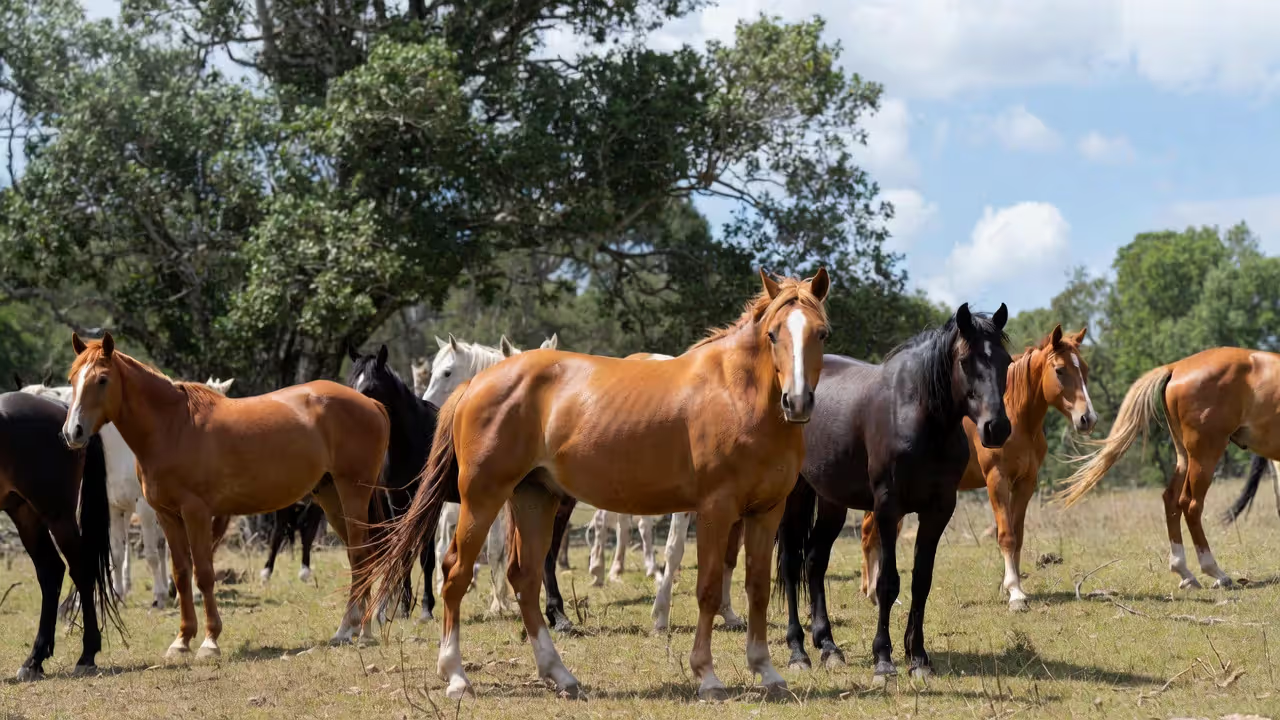
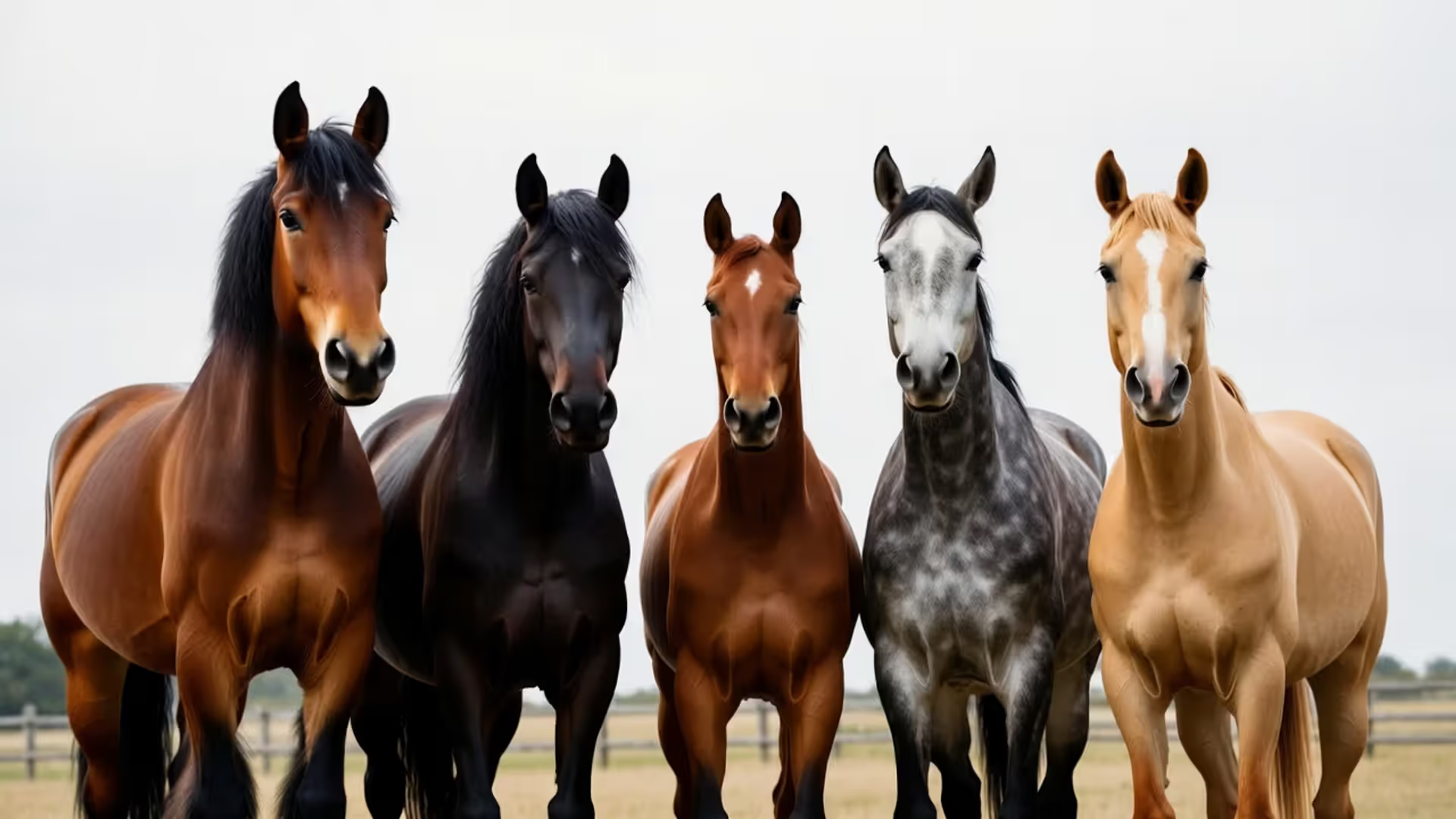
Horse Breeds: A Complete Guide to 25+ Types From Around the World

Choosing the right horse starts with understanding what makes each breed unique. From compact Quarter Horses to towering Clydesdales, each breed brings distinct physical traits, temperaments, and abilities shaped by centuries of selective breeding for specific purposes.

Read article

Latest news

What Do Horses Eat? A Complete Guide to Feeding Your Horse

Discover comprehensive horse feeding guidelines including forage requirements, grain needs, feeding schedules, and nutritional basics. Learn how much horses eat daily based on weight and activity, compare hay versus grain options, and avoid common feeding mistakes that threaten horse health.

Mar 05, 2026
15 MIN

Trending

How to Train a Horse
Mar 05, 2026
15 MIN

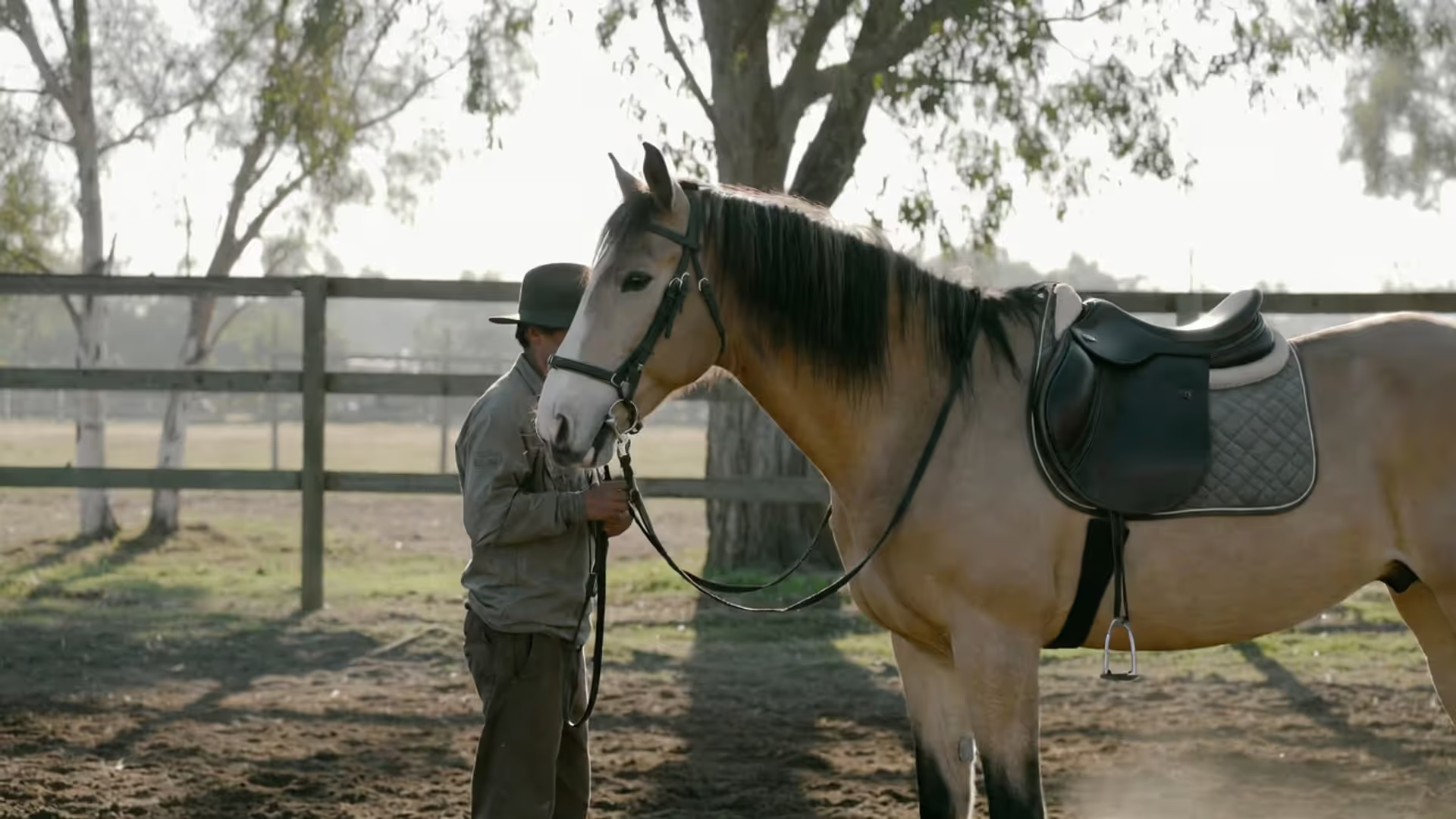
How to Train a Horse: A Step-by-Step Guide for Beginners

Training a horse requires patience, consistency, and a clear understanding of equine behavior. This comprehensive guide walks you through practical ground training exercises, compares different training methods, provides a realistic 30-day timeline, and reveals common mistakes that derail progress.

Top stories

How to Post While Trotting
Mar 05, 2026
12 MIN

How to Post While Trotting: Master the Rising Trot in 7 Simple Steps

Learning to post transforms the trot from a jarring ordeal into a smooth, enjoyable gait. This guide breaks down the rising trot into actionable steps that work whether you're riding a school horse or your own mount, covering body position, timing, common mistakes, and practical exercises.

Read more

Most read

In depth

Practical Guide Horse Care
Mar 05, 2026
19 MIN

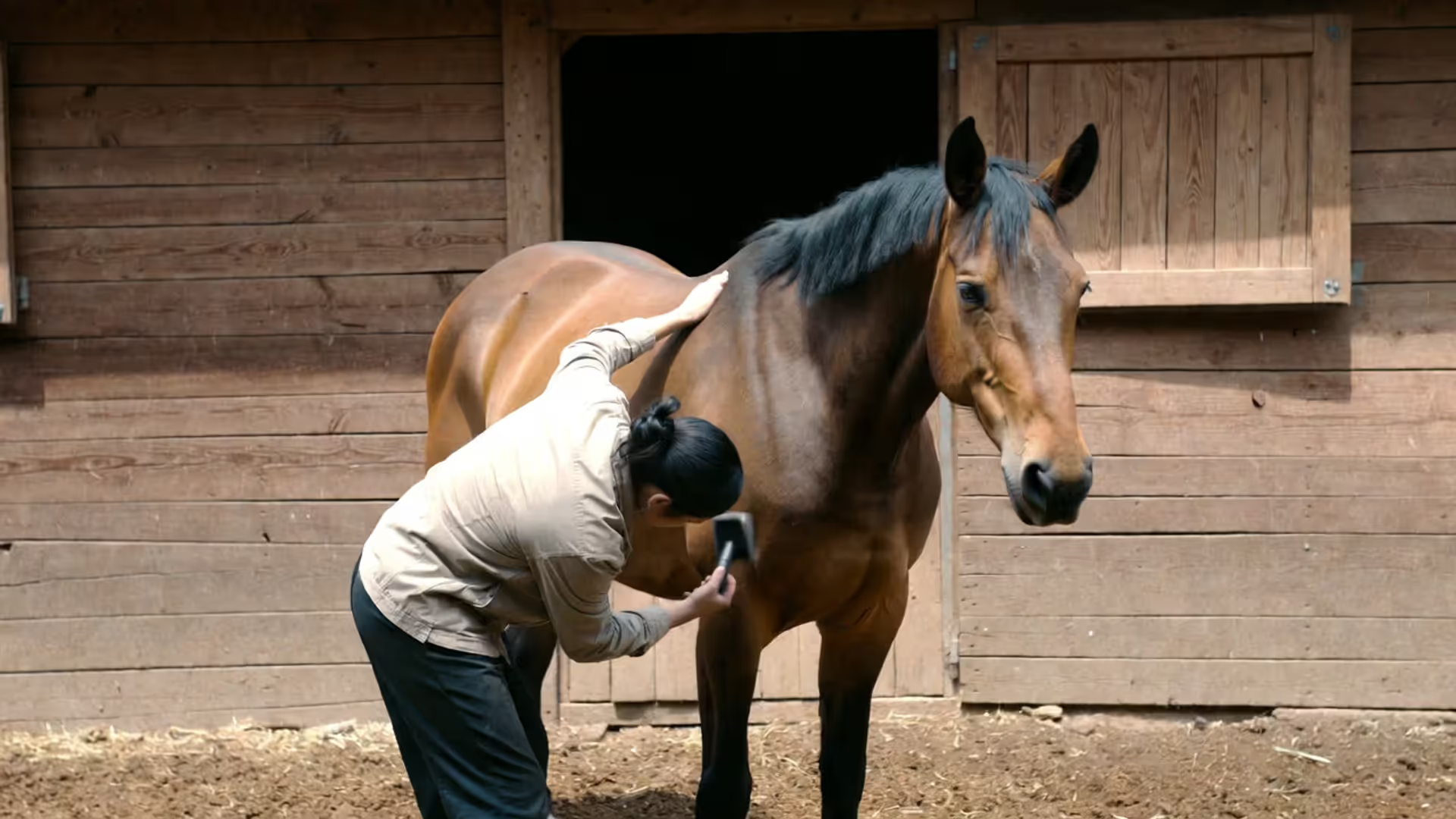
Horse Care: A Practical Guide to Keeping Your Horse Healthy and Happy

Getting a horse changed my neighbor's entire life—she now wakes up at 5:30 AM every day, including Christmas, because her gelding needs breakfast. That's the reality nobody mentions when you're dreaming about owning a horse. These animals can't skip meals, they can't hold it when you're running late, and they definitely don't care that you had a rough day at work.

Dogs and cats adapt to human schedules. Horses? They've got biological needs that won't bend to fit your calendar. Their digestive systems operate on a continuous cycle. Their hooves grow whether you're on vacation or not. If you're reading this because you're thinking about buying a horse, or you just brought one home and realized you're in over your head, here's what actually goes into keeping these thousand-pound animals alive and well.

Think of horse care as five legs holding up a table—remove one and the whole thing collapses. First leg: nutrition. Horses graze for 16-18 hours in the wild, nibbling constantly. When we lock them in stalls and feed twice daily, their stomachs produce acid with nowhere to go. Result? Ulcers in up to 90% of performance horses.

Second leg: shelter. This doesn't necessarily mean a fancy barn. I've seen horses thrive in three-sided run-in sheds and suffer in expensive stables with poor ventilation. What matters is protection from temperature extremes and weather that could cause hypothermia or heat stress.

Third leg: grooming. Sure, it makes ho...

Read article
Disclaimer

Content on 3templatedesign.site is provided for general informational and educational purposes only. The information on this website may include topics related to horse care, feeding, grooming, horse breeds, training methods, riding techniques, and common horse health conditions.

This content is not intended to be veterinary, medical, training, or professional animal care advice. Horse ownership and riding involve responsibilities and potential risks for both riders and animals.

Users are responsible for evaluating their own experience, equipment, and the condition of their horse before applying any information from this website. Use of this website does not create any professional, veterinary, or advisory relationship with trialstribulations.net.

We are not responsible for any injuries, damages, or losses resulting from the use of information provided on this website. Horse owners and riders are encouraged to consult qualified veterinarians, trainers, or equine professionals when making decisions about horse care or training.