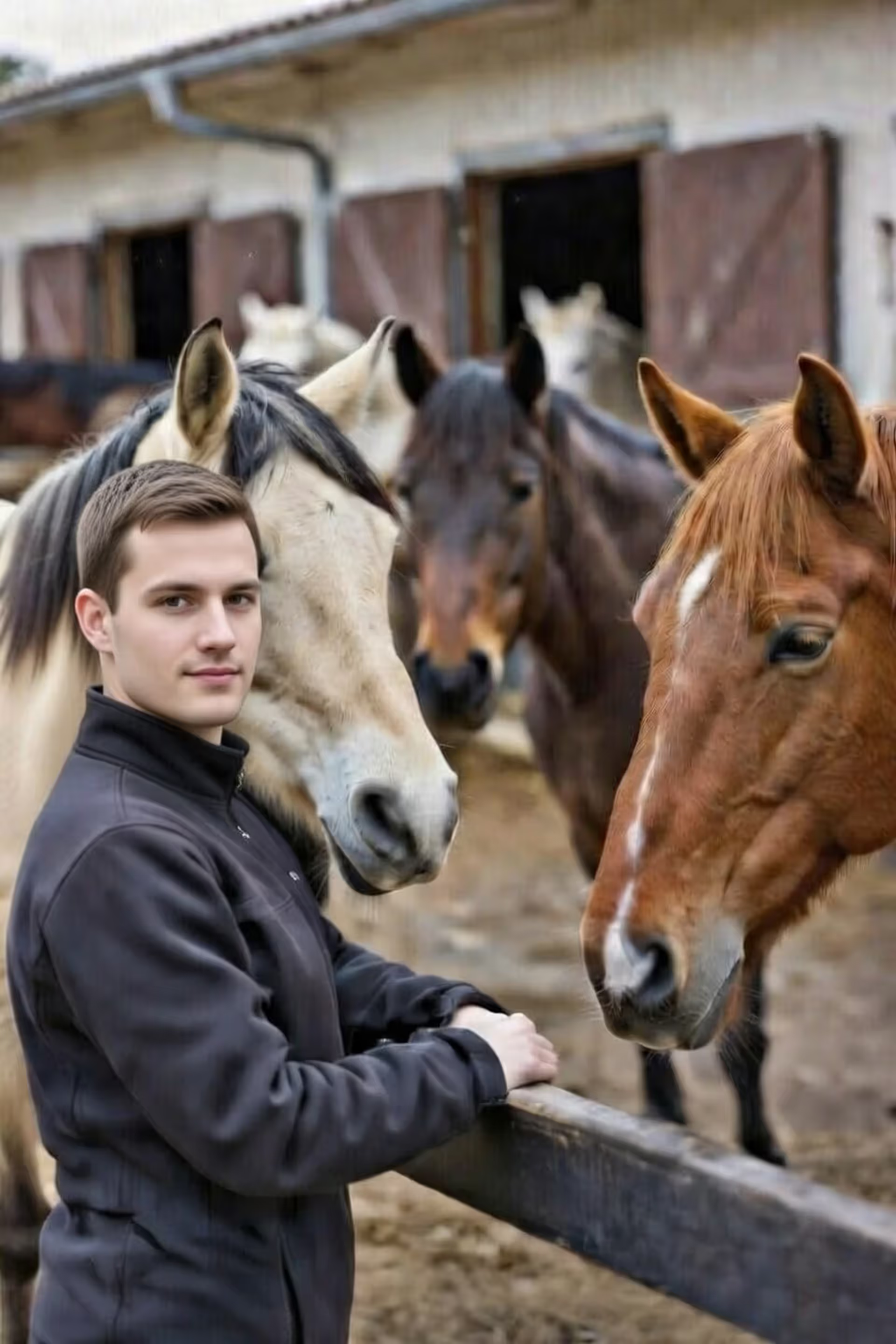
Getting a horse changed my neighbor's entire life—she now wakes up at 5:30 AM every day, including Christmas, because her gelding needs breakfast. That's the reality nobody mentions when you're dreaming about owning a horse. These animals can't skip meals, they can't hold it when you're running late, and they definitely don't care that you had a rough day at work.
Dogs and cats adapt to human schedules. Horses? They've got biological needs that won't bend to fit your calendar. Their digestive systems operate on a continuous cycle. Their hooves grow whether you're on vacation or not. If you're reading this because you're thinking about buying a horse, or you just brought one home and realized you're in over your head, here's what actually goes into keeping these thousand-pound animals alive and well.
What Does Proper Horse Care Actually Involve?
Think of horse care as five legs holding up a table—remove one and the whole thing collapses. First leg: nutrition. Horses graze for 16-18 hours in the wild, nibbling constantly. When we lock them in stalls and feed twice daily, their stomachs produce acid with nowhere to go. Result? Ulcers in up to 90% of performance horses.
Second leg: shelter. This doesn't necessarily mean a fancy barn. I've seen horses thrive in three-sided run-in sheds and suffer in expensive stables with poor ventilation. What matters is protection from temperature extremes and weather that could cause hypothermia or heat stress.
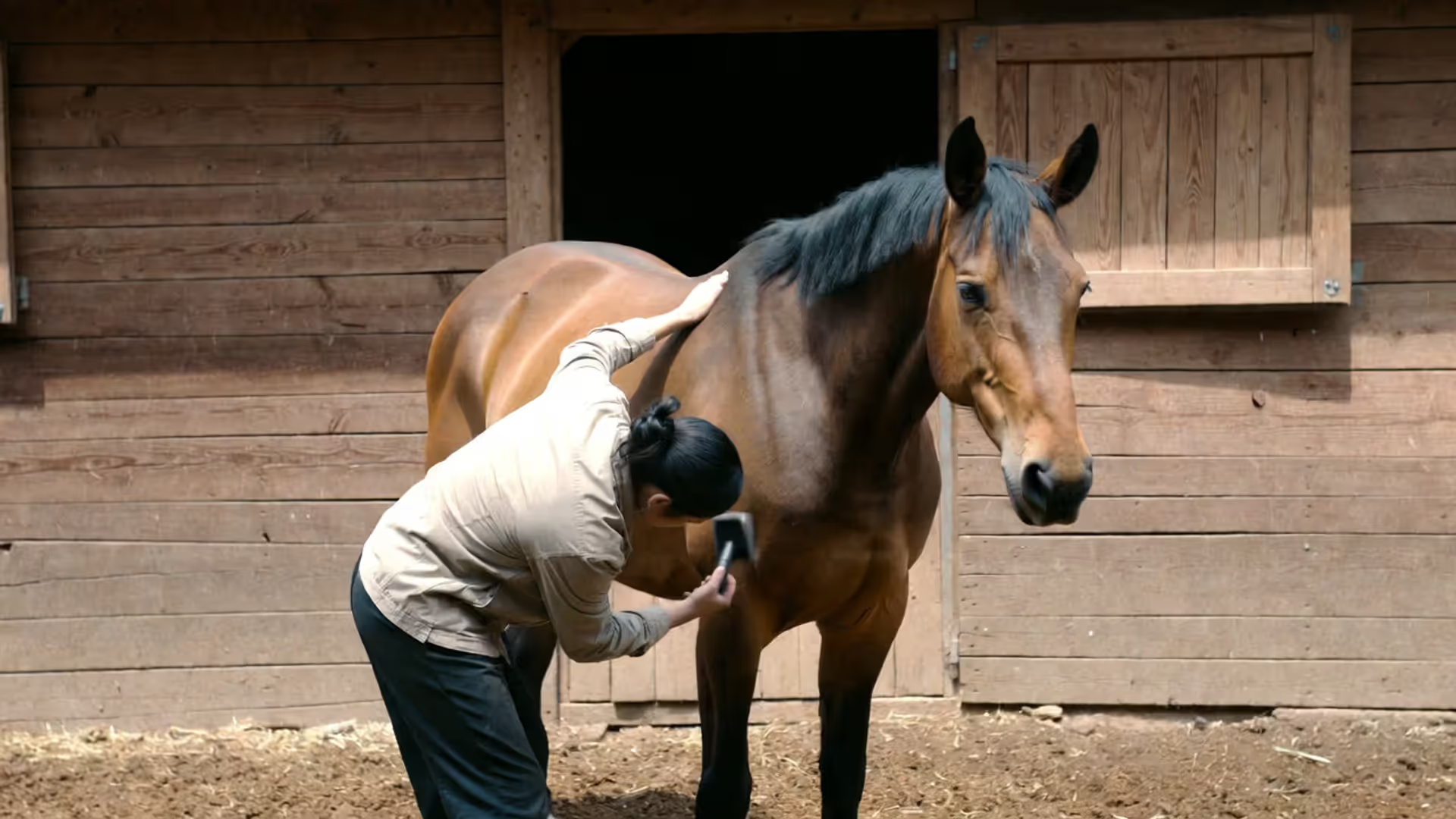
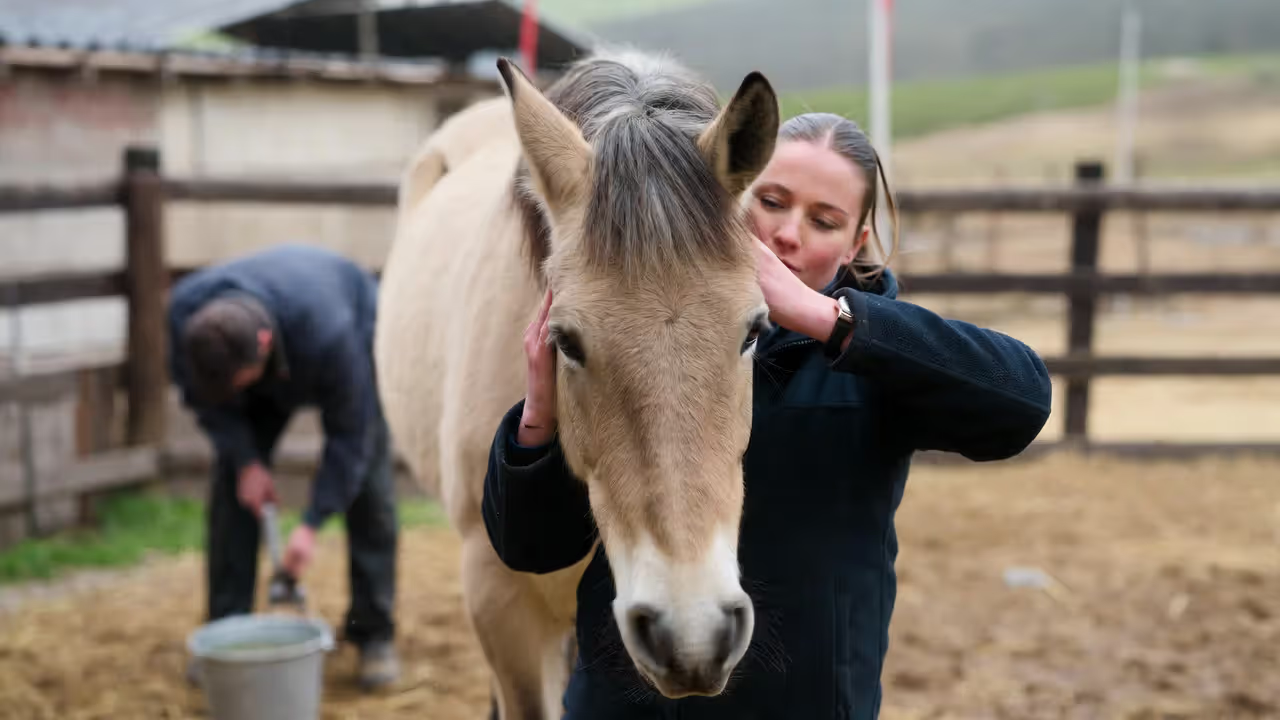
Third leg: grooming. Sure, it makes horses prettier, but the real value is what you discover while brushing. That small cut on the hock. The heat in the left front hoof. The sensitive spot along the back where the saddle's been pinching. Skip grooming for a week, and you'll miss the early warning signs that could've prevented a vet bill.
Fourth leg: movement. Stall rest might be necessary after injury, but healthy horses need to move. Their hooves have a pumping mechanism that only works during motion—stand still too long and circulation suffers. Plus, a bored horse becomes a destructive horse. Cribbing, weaving, pawing... these aren't personality flaws, they're symptoms of inadequate turnout.
Fifth leg: veterinary care. Annual shots, dental floating, farrier visits every six weeks. This stuff isn't optional. I've watched someone lose a horse to tetanus because they "forgot" about vaccinations. The horse stepped on a nail, and ten days later it was gone. A $50 vaccine would've prevented it.
Here's what beginners get wrong: they think they can slack on one area if they're doing great in another. Extra grain doesn't compensate for skipping hoof care. A beautiful stall doesn't replace turnout time. How to care for a horse starts with accepting that all five legs matter equally.
Building Your Daily Horse Care Routine
Author: Garrett Holloway;
Source: 3templatedesign.site
Be honest with yourself right now—do you have 2-4 hours available every single day? Not most days. Every day. Because horses don't take weekends off, and neither can you.
Your daily horse care routine splits into morning and evening chunks, each taking roughly an hour minimum if you're efficient. Double that if you're learning, dealing with difficult horses, or managing multiple animals.
Morning Tasks and Health Checks
Before you even touch your horse, watch from outside the stall or pasture. How are they standing? A horse resting a hind leg is normal—weight-shifting between back legs throughout the day. But a horse "pointing" a front leg, extending it forward to relieve pressure? That signals heel pain or laminitis.
Move closer and scan for obvious problems. Swollen legs, discharge from eyes or nose, manure piles that look abnormal. An adult horse drops 8-12 piles daily. I count them obsessively because my gelding once colicked after producing only three piles in 24 hours. Caught it early because I noticed the missing manure.
Run your hands down all four legs. You're feeling for heat, swelling, or tenderness. A leg that's warmer than its partner needs investigation. Same with any puffiness—could be nothing, could be the start of an abscess.
Check what's in (or not in) the water buckets. My mare drinks 15 gallons daily in summer. When consumption suddenly drops, something's wrong. Either she's sick or the water tastes funky. Yes, horses care about water flavor. Switching from well water to city water can make them drink less.
If your horse stays in a stall overnight, get them outside now. Twelve hours minimum turnout isn't a luxury—it's mandatory for mental health. Some horses do fine living out 24/7 with access to a run-in shed. Others need stalls at night for various reasons. But every horse needs substantial outdoor time daily.
Stall cleaning takes anywhere from 15-45 minutes depending on size, bedding type, and how messy your horse is. Strip everything—don't just pick the obvious piles while leaving damp spots. Those wet patches generate ammonia that literally burns lung tissue. If you smell ammonia when walking into a barn, the horses are breathing damaged air.
Feed morning hay. For most horses, this means several flakes spread out to encourage natural grazing movement rather than one pile they inhale in ten minutes. Add grain if your horse's workload justifies it—though plenty of easy keepers need zero grain.
Evening Responsibilities
Evening mirrors morning with a few critical additions. Bring stalled horses in from turnout, which sounds simple until your horse decides they'd rather stay outside, thanks. This is where groundwork training pays off—a horse that respects your space and responds to cues makes barn life infinitely easier.
Another visual and physical check happens now. Horses hurt themselves in impressively creative ways during turnout. I've pulled splinters from odd places, found mysterious scrapes, and once discovered a horse tangled in fence wire he'd somehow lifted without breaking.
Evening feeding matters more than morning because horses eat most of their hay overnight. A horse standing in a stall with nothing to eat produces stomach acid that erodes the stomach lining. Use slow-feed hay nets if your horse inhales their hay in two hours. These nets force them to work for each bite, stretching feeding time to 6-8 hours.
Hoof picking happens twice daily, no exceptions. You're removing packed-in dirt, manure, rocks, and checking the entire hoof structure. The frog should be firm and slightly yielding, not soft and stinky—that smell means thrush, a bacterial infection. Caught early, thrush responds to over-the-counter treatments. Ignored, it invades sensitive structures.
Temperature dictates blanket decisions if your horse wears them. Too heavy and they'll sweat, which in cold weather creates a dangerous chill. Too light and they'll burn calories maintaining body temperature instead of maintaining weight. Run your hand under the blanket at the shoulder—horse should feel comfortably warm, not hot or cold.
Watch how your horse behaves at dinner time. The one that usually charges the gate but tonight hangs back? Something hurts. The one that usually eats enthusiastically but now just picks at food? Call your vet.
Horse Grooming Essentials: Tools, Techniques, and Frequency
Author: Garrett Holloway;
Source: 3templatedesign.site
My horse grooming routine taught me more about equine health than any book. When you've got your hands on a horse for 30 minutes, you notice everything. The small scab that needs monitoring. The way they flinch when you brush the right side—saddle fit issue. The dry, flaky skin indicating a mineral deficiency.
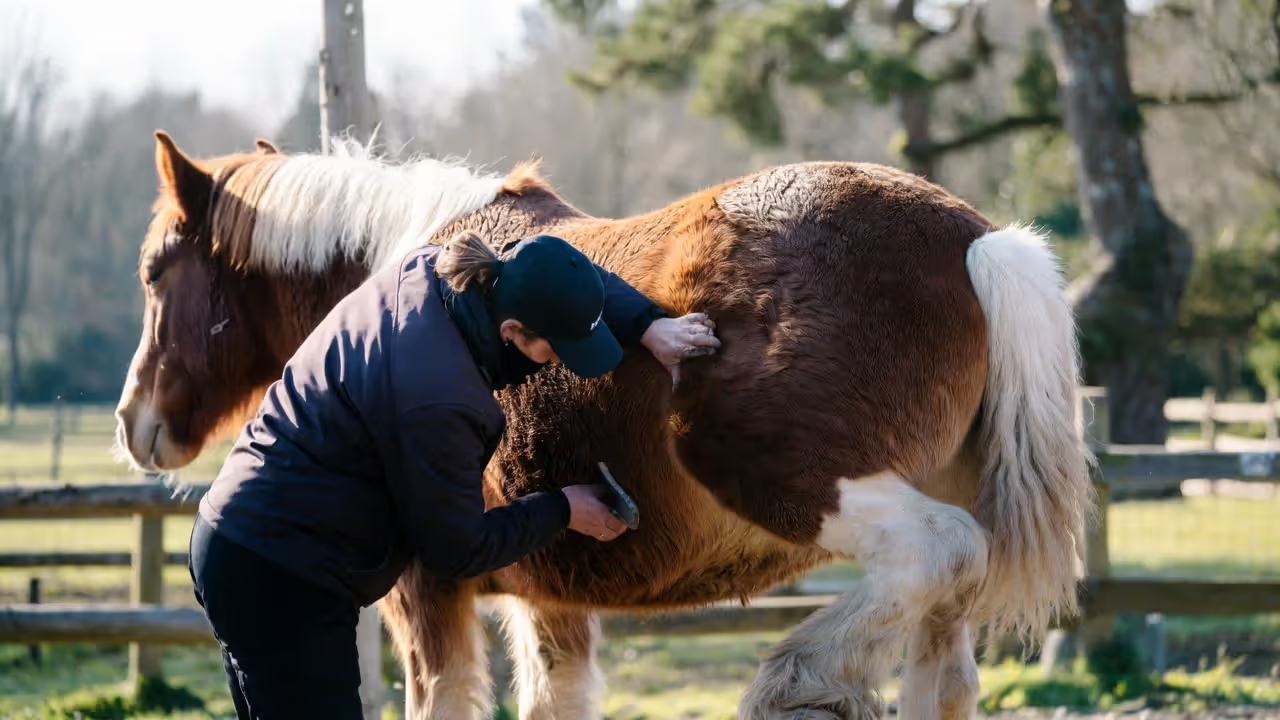
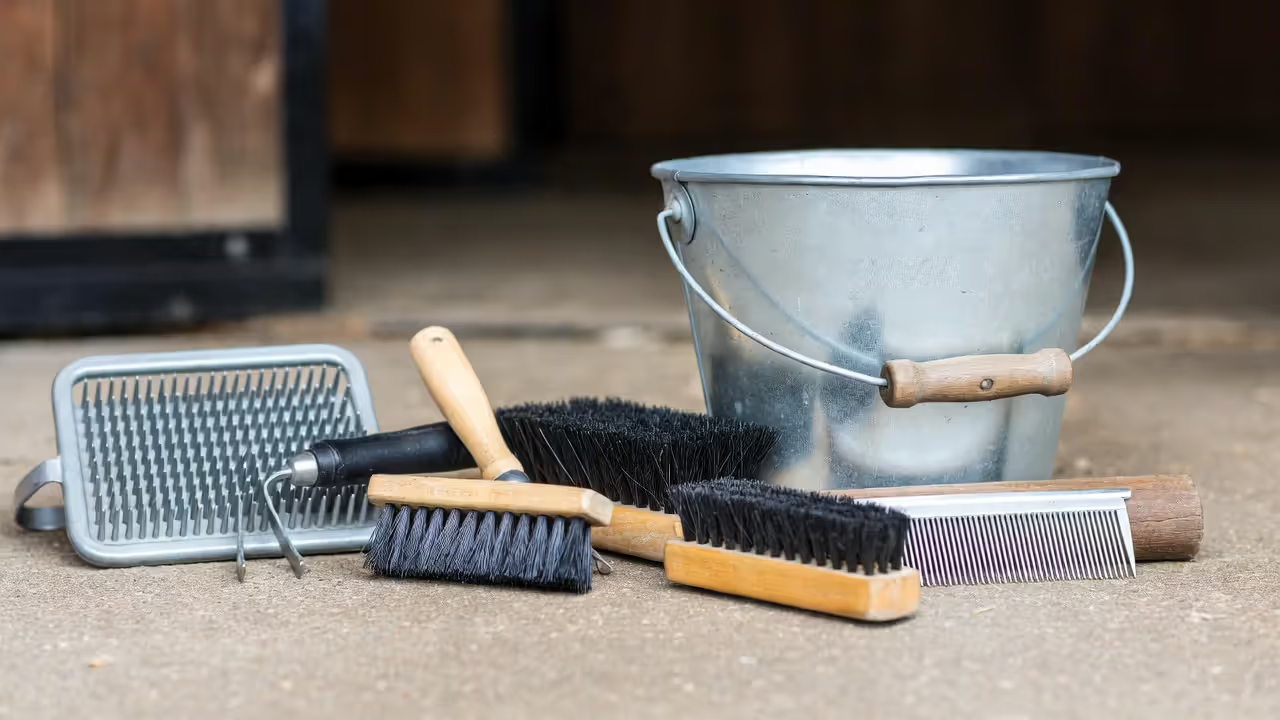
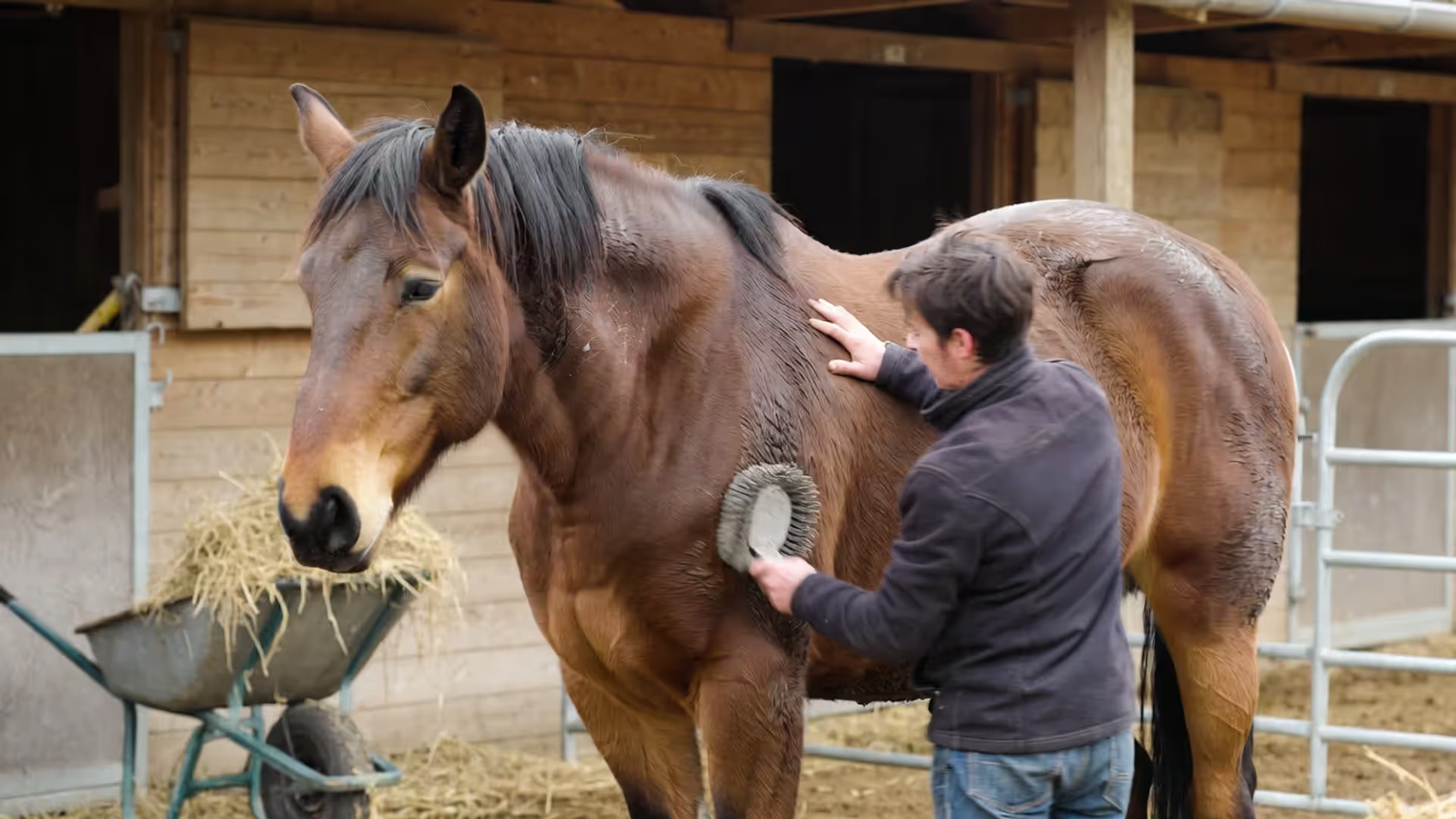
Start with the curry comb, which is rubber with nubs that grab dirt and loose hair. Work in circles over the big muscle groups—neck, shoulder, barrel, hindquarters. Never curry over bones like the spine or face where there's no muscle cushioning. This tool brings dirt to the surface and feels like a massage to horses. Most lean into it.
Your grooming kit needs these seven items: rubber curry comb, stiff dandy brush for flicking away dirt, soft body brush for finishing and sensitive areas, hoof pick, mane comb (though I prefer fingers—less breakage), face sponge, and separate dock sponge. Keep them clean. I've seen ringworm spread through an entire barn from shared brushes.
After currying a section, switch to the stiff brush. Sweep it in the direction of hair growth with quick flicks that launch dirt off the horse. Start at the poll and work backward and downward. Don't just scrub randomly—systematic coverage ensures you hit every inch.
Soft brush comes next for the finishing pass and for areas too sensitive for the stiff brush—head, legs below the knee, belly. This distributes the natural oils that waterproof and protect skin.
Now the hooves. Start at the heel, cleaning toward the toe. You're removing everything packed in the sole and grooves beside the frog. Press gently on the sole and frog—your horse shouldn't react. Pain during hoof picking signals bruising or abscesses.
Detangle mane and tail with your fingers when possible, gently separating strands. Mane combs rip out hair. For impossible tangles, use detangler spray and work from the bottom up, holding above the tangle to prevent pulling on the roots.
Groom before every ride—non-negotiable. Basic horse care guide rule number one: dirt under the saddle pad creates friction sores. Even horses that look clean carry dust you'll see flying when you start brushing. After rides, curry sweaty areas once the horse has cooled, especially under the saddle and girth.
Frequency for non-riding days depends on living conditions. Stalled horses benefit from daily grooming since they can't perform natural dust-bathing behaviors. Pasture horses might only need attention 3-4 times weekly unless they're rolling in mud daily—which mine absolutely do.
Seasonal changes matter. Spring shedding creates massive hair clouds. A shedding blade (metal loop with teeth) pulls loose winter coat efficiently. Summer means flies, so fly spray becomes part of the routine. Winter coats need gentler brushing—you don't want to remove the fluffed-up hair that traps insulating air.
Bathing happens maybe four times yearly for horses that aren't showing. Frequent shampooing strips the protective oil layer, leaving skin vulnerable to rain rot and fungal issues. Spot-clean muddy areas with water and a cloth rather than full baths.
Feeding and Watering: Getting the Nutrition Balance Right
Feeding and watering horses wrong causes more problems than anything else in horse care. The digestive system evolved for constant grazing on low-nutrition grass, not two meals of concentrated feed. When we ignore this biology, horses develop ulcers, colic, and laminitis.
Understanding Forage vs. Concentrates
Forage means hay and grass—the foundation of every feeding program. An idle horse can thrive on quality forage alone. Forage provides the fiber that keeps the hindgut bacteria healthy, and those bacteria extract nutrients from plant material through fermentation. Kill off the good bacteria with sudden diet changes, and you're looking at colic.
Quality varies dramatically. Good hay smells slightly sweet, shows more green than brown, and contains minimal weeds or dust. Bad hay smells musty, looks bleached or brown, and creates dust clouds when you toss a flake. Feed that bad hay and you'll battle respiratory issues.
A 1,000-pound horse needs 15-20 pounds of hay daily minimum—that's roughly 2% of body weight. Some easy keepers maintain weight on less, while hard keepers need more. Split this into 3-4 daily feedings if possible. Horses left without food longer than 4-5 hours face increased ulcer risk because their stomachs continuously produce acid.
Slow-feed hay nets extend eating time by making horses work for every mouthful. This mimics natural grazing patterns better than dumping 20 pounds of hay twice daily.
Concentrates—grains, pellets, sweet feed—provide extra calories for horses whose work demands exceed forage capacity. Here's where people mess up: they assume all horses need grain. A horse ridden three times weekly for an hour doesn't need grain. That horse needs quality hay, period.
Moderate work—regular training, some jumping, longer trail rides—might justify 2-4 pounds of grain daily. Heavy work like racing, advanced three-day eventing, or endurance competition can require 6-10 pounds. But forage stays primary. Think of grain as the supplement, not the meal.
Common Feeding Mistakes New Owners Make
The biggest error I see: overfeeding grain because "my horse seems hungry." Horses always seem hungry—they're designed to eat constantly. But excess carbohydrates from grain cause laminitis, which can permanently cripple a horse. They also create hyper behavior that owners mistake for a "spirited" personality. Cut the grain and suddenly that "hot" horse calms down.
Sudden feed changes destroy the hindgut bacterial balance. Switching hay sources requires 7-10 days of gradual transition, mixing increasing proportions of new hay with decreasing amounts of old. Same with changing grain brands. Rush this and you're gambling with colic.
Never feed right before riding. A full stomach presses against the diaphragm, restricting breathing during work. Feed at least an hour before exercise, preferably two.
Feeding by the scoop instead of by weight causes problems. Scoops vary in size, grains vary in density. One "scoop" of oats weighs less than a "scoop" of pellets. Use a scale to measure actual pounds.
Horse Size & Activity Level
Daily Hay (pounds)
Daily Grain (pounds)
Meals Per Day
800-lb horse, light work
12-16
0-2
3-4
1,000-lb horse, light work
15-20
0-2
3-4
1,200-lb horse, light work
18-24
0-3
3-4
1,000-lb horse, moderate work
15-20
3-5
3-4
1,000-lb horse, heavy work
15-20
6-8
4-5
Water access needs to be constant and clean. The average horse drinks 10-12 gallons daily in moderate weather, more during heat or heavy work. Automatic waterers work great if you verify they're functioning and horses actually drink from them. Some horses distrust the automatic mechanism.
Buckets let you track intake—fill them completely and check how much disappears. Refill multiple times daily. Winter brings the ice challenge. Horses won't drink enough if water temperature drops near freezing, and dehydration causes impaction colic. Heated buckets or breaking ice several times daily solves this.
The single most important thing I tell new horse owners is that forage isn't optional—it's the foundation of equine health. I've treated countless cases of colic, ulcers, and behavioral problems that trace directly back to insufficient hay. If you're going to cut corners anywhere, never let it be on forage quality or quantity.
— Dr. Jennifer Martinez, DVM, Equine Internal Medicine Specialist
Stable Management: Creating a Safe, Clean Environment
Horse stable management covers everything about where your horse lives—stalls, pastures, shelters, fencing. Get this wrong and you'll deal with respiratory disease, injuries, and behavioral problems.
Stall size matters more than people think. Minimum 10x10 feet for ponies, 12x12 for average horses, 14x14 for large breeds or mares with foals. Anything smaller prevents comfortable lying down or turning around. I've seen horses develop hock sores from cramped stalls where they constantly bump into walls.
Ceiling height needs to be 8 feet minimum. Horses throw their heads up when startled or rear when playing. Low ceilings mean head injuries.
Ventilation prevents respiratory disease but gets overlooked constantly. Ammonia from urine rises, so you need upper vents or windows that let it escape. Walking into a barn that reeks of ammonia? Those horses are breathing lung-damaging fumes 24/7. You should smell hay and horses, not urine.
People seal barns tight in winter to "keep horses warm," which creates moisture buildup and concentrates ammonia. Horses tolerate cold far better than poor air quality. They've got built-in winter coats. They don't have built-in gas masks.
Bedding options each have trade-offs. Straw is cheap but some horses eat it, risking impaction. Shavings absorb well but create dust. Pellets expand when wet, soaking up urine effectively. Rubber mats reduce bedding needs but require good drainage underneath.
Whatever bedding you choose, provide enough depth that horses can lie down comfortably—4-6 inches of shavings or equivalent. Skimping on bedding saves maybe $20 monthly and creates pressure sores on hocks and hips.
Daily stall cleaning removes manure and wet bedding. Weekly or every other week, strip stalls completely. Haul out all bedding, sweep to bare floor, let dry, and add fresh bedding. This prevents bacterial and parasite egg accumulation.
Manure management is unglamorous but critical. One horse produces 50 pounds of manure daily—that's 18,250 pounds yearly. Where's it going? Pile it randomly and you've created a fly breeding paradise. Proper composting or spreading on fields requires planning.
Pasture rotation prevents overgrazing that damages grass root systems. Horses graze in patterns, creating bare spots while leaving tall patches of "roughs" where they defecate. Rotate between pastures if possible, letting grazed areas recover 3-4 weeks.
Pick manure from pastures twice weekly minimum. This interrupts parasite life cycles more effectively than deworming drugs alone. Parasite eggs in manure hatch, larvae climb grass blades, horses eat grass, the cycle continues. Break it by removing the manure.
Fencing causes more arguments than any other horse topic. Board fencing looks beautiful but splinters when broken, creating stakes that impale horses. Vinyl-coated wire works well if maintained taut—loose wire catches legs. Barbed wire is a hard no—I've seen the damage it causes.
Electric tape or rope fencing is economical and safe for horses that respect it. Some horses blow right through it; others won't cross even when it's turned off. Test your horse's response in a small area before using it as primary fencing.
Check fences weekly. Horses push on them, rub on them, and occasionally crash into them. Loose posts, sagging wire, and gaps develop constantly.
Run-in sheds for pasture-kept horses don't need to be fancy. Three-sided structure with the open side facing away from prevailing winds, sized to fit all horses simultaneously. They'll use it during storms, extreme heat, and fly season. Some horses barely use shelters; others camp in them all day.
Preventive Health Care and When to Call the Vet
Author: Garrett Holloway;
Source: 3templatedesign.site
Preventive care feels expensive until you get your first emergency vet bill. Annual wellness visits cost $400-700. Emergency colic surgery runs $8,000-12,000. Do the math.
Establish a veterinarian relationship before you need emergency services. Not all vets treat horses. Those who do might not take new clients during busy seasons. Calling around while your horse is colicking? Not the ideal situation.
Annual vaccinations protect against diseases that kill or permanently damage horses. Core vaccines—recommended for every horse—include tetanus (fatal once symptoms appear), Eastern/Western encephalomyelitis (kills 75-90% of infected horses), West Nile virus (causes neurological damage), and rabies (always fatal).
Risk-based vaccines depend on exposure. Show horses traveling frequently need influenza and rhinopneumonitis protection. Horses in areas with strangles outbreaks need that vaccine. Discuss your specific situation with your vet.
Deworming strategy has changed dramatically in the past decade. We used to rotate dewormers every 8 weeks regardless of actual parasite load. This approach created drug-resistant parasites while spending unnecessary money.
Current best practice: run fecal egg count tests to determine your horse's shedding level. Most horses are low shedders needing minimal intervention. About 20% are high shedders responsible for most pasture contamination. Target treatment based on actual need rather than calendar dates.
Farrier visits every 6-8 weeks keep hooves balanced and healthy. Hooves grow continuously, roughly 1/4 inch monthly. Without regular trimming, they develop imbalances that strain tendons and ligaments up the entire leg.
A skilled farrier catches subtle changes signaling developing problems. The slight dish in the hoof wall indicating laminitis. The contracted heels suggesting improper landing. The flares suggesting imbalance. These observations prevent major issues.
Dental care happens annually, sometimes twice yearly for horses over 15. Horses' teeth erupt continuously throughout their lives, grinding against each other as they chew forage. Uneven wear creates sharp points (hooks) that lacerate cheeks and tongue.
Horses can't tell you their mouth hurts. They just lose weight, drop grain while eating, develop behavioral issues under saddle, or become head-shy. Annual floating (filing sharp edges) takes 20-30 minutes and dramatically improves comfort and nutrition.
Learn to recognize emergencies requiring immediate vet calls. Colic signs—pawing, staring at flanks, repeatedly lying down and getting up, absent gut sounds—constitute an emergency every time. Don't "wait and see." Colic kills fast.
Severe lameness where the horse won't bear weight needs immediate evaluation. Same with heavy bleeding, eye injuries (horses can lose vision within hours), choke (feed lodged in esophagus—the horse will panic), or breathing difficulty.
Subtler problems still warrant prompt vet contact. A horse that skips more than one meal needs evaluation. Standing apart from herd mates with a dull expression means something's wrong. Abnormal manure—diarrhea or none at all for 8+ hours—signals problems. Temperature above 101.5°F indicates illness (normal range is 99-101°F).
Stock a first aid kit with essentials: sterile gauze pads, rolled gauze for wrapping, vet wrap, betadine or chlorhexidine solution, antibiotic ointment (plain, not the pain-relief kind), scissors, digital thermometer, and your vet's emergency number posted visibly.
Learn to take vital signs. Temperature (use petroleum jelly on the thermometer, insert into rectum, wait 60 seconds). Pulse—find it on the jawbone or inside the foreleg, count beats for 15 seconds and multiply by four (normal 28-44 beats per minute at rest). Respiration—watch the flank rise and fall, count for 15 seconds and multiply by four (normal 8-16 breaths per minute at rest).
Frequently Asked Questions About Horse Care
How much time does daily horse care take?
Plan on 2-4 hours daily minimum. This isn't negotiable or something you can batch into weekend marathons. Horses need feeding twice daily, water checks multiple times, stall cleaning (20-30 minutes), turnout management, grooming before rides (30 minutes), and health monitoring. A horse on 24/7 pasture with a run-in shed requires less daily hands-on work than one stalled around the clock, but you're still checking on them twice daily. If you're working full-time and can only visit horses on weekends, you need to board at a facility providing daily care. Horses that see humans only twice weekly develop behavioral and health problems.
What's the minimum space needed to keep a horse?
One horse needs one acre minimum for grazing, though two acres prevents overgrazing and maintains healthier pasture. That one-acre figure assumes decent grass quality and isn't overgrazed to dirt. Keeping horses in dry lots with no grass requires only 400-600 square feet per horse, but you're buying all forage rather than getting some from pasture grazing. Stalls should be 12x12 feet for average horses—cramped quarters cause stress and injury. Beyond horse living space, you need hay storage (covered area holding 3-6 months of supply for fire safety), tack storage, and manure composting areas. Check zoning laws before assuming you can keep horses on your property. Many municipalities require minimum 5-acre parcels for equine keeping, and some homeowners' associations prohibit livestock entirely.
How often should I groom my horse?
Before every single ride, you groom thoroughly to check for injuries and prevent saddle sores—this is absolute. For horses in regular work, aim for complete grooming sessions 3-4 times weekly, with quick curry-and-brush touch-ups other days. Horses living outside in mud need more attention to prevent rain rot and scratches (bacterial skin infections). Spring shedding season demands daily currying to remove the massive amounts of loose winter coat—horses appreciate this since shedding makes them itchy. Winter grooming should be less aggressive since you don't want to remove the fluffed hair that provides insulation. The one grooming task that happens twice daily without exception? Picking hooves clean. This single habit prevents more lameness than anything else you'll do.
Can horses survive on pasture grass alone?
Horses evolved eating nothing but grass, so theoretically yes—but reality is complicated. Pasture quality varies wildly by region, season, and management practices. Lush spring grass contains sugar levels that trigger laminitis in metabolically sensitive horses (those with insulin resistance or Cushing's disease). Summer drought turns many pastures to dust, providing zero nutrition. Winter dormancy means no grass growth at all in most climates. A 1,000-pound horse needs 20-30 pounds of forage daily—2-3% of body weight. Most pastures can't provide this year-round. Horses in actual work need calories beyond maintenance level that grass alone might not supply. Pasture-only feeding works best in mild climates with year-round growth (parts of California, some southern states) and horses in minimal work. Everyone else plans to supplement with hay, at least seasonally and often year-round.
Horse care tips for beginners always sound overwhelming on paper because they are overwhelming in reality. The romantic fantasy of horse ownership—peaceful sunset trail rides, the quiet companionship of grooming—represents maybe 20% of actual horse ownership. The other 80%? Mucking stalls in freezing rain, doctoring mysterious wounds, troubleshooting feed programs, and showing up every single day regardless of your own schedule or mood.
But here's what makes it worthwhile: horses notice. They remember. They develop relationships with humans who show up consistently and handle them fairly. My mare nickers when she sees my truck—not for food (she's got hay), but because she's learned I show up twice daily, every day, and she trusts that pattern.
Success in horse care comes from building routines that actually fit your life while still meeting non-negotiable horse needs. Start with fundamentals: constant forage access, clean water, appropriate shelter, daily movement or turnout, and preventive health care. Master these basics completely before adding complexity.
Find mentors willing to answer questions without making you feel stupid. Join local riding clubs where experienced horse people trade practical knowledge. Online forums help too, though in-person connections matter more. Read everything you can, but remember every horse is different—what works perfectly for one might fail completely with another.
Budget realistically for both routine and emergency expenses. Build an emergency fund covering $2,000-3,000 in unexpected vet bills. This isn't paranoid—it's responsible. Horses injure themselves in creative ways, develop chronic conditions needing ongoing management, and occasionally need emergency care that costs thousands.
Watch your horse constantly. They communicate through body language, behavior shifts, and physical condition. When you've invested daily time in observation and hands-on care, you'll notice the subtle signs—the slightly off step, the reduced appetite, the different way they're holding their ears. These early warnings let you address problems before they become crises. That daily time investment transforms horse keeping from obligation into partnership.
Grooming isn't just about making your horse look presentable. It's a foundational practice that keeps your equine partner healthy, comfortable, and ready to perform. Learn the proper technique, sequence, and tools that make all the difference in your horse's health and your bond together.
Discover comprehensive horse feeding guidelines including forage requirements, grain needs, feeding schedules, and nutritional basics. Learn how much horses eat daily based on weight and activity, compare hay versus grain options, and avoid common feeding mistakes that threaten horse health.
Content on 3templatedesign.site is provided for general informational and educational purposes only. The information on this website may include topics related to horse care, feeding, grooming, horse breeds, training methods, riding techniques, and common horse health conditions.
This content is not intended to be veterinary, medical, training, or professional animal care advice. Horse ownership and riding involve responsibilities and potential risks for both riders and animals.
Users are responsible for evaluating their own experience, equipment, and the condition of their horse before applying any information from this website. Use of this website does not create any professional, veterinary, or advisory relationship with trialstribulations.net.
We are not responsible for any injuries, damages, or losses resulting from the use of information provided on this website. Horse owners and riders are encouraged to consult qualified veterinarians, trainers, or equine professionals when making decisions about horse care or training.