New York Car Insurance Requirements: Minimum Coverage and State Laws
Complete guide to NY car insurance requirements: mandatory liability limits, PIP rules, registration insurance, penalties, and what coverage you really need.
Here's something most first-time horse owners discover the hard way: feeding these thousand-pound athletes isn't like filling your dog's bowl twice daily. Horses evolved as perpetual grazers, designed to walk miles while nibbling sparse grasslands for 16-18 hours straight. Their entire digestive anatomy—from that surprisingly tiny stomach to the massive fermentation chamber called the hindgut—expects a continuous trickle of fibrous material, not two big meals bookending their day.
I've watched too many well-meaning owners battle mysterious health issues that traced directly back to feeding mistakes. The lethargic mare who perked up when grain was eliminated. The "difficult" gelding whose attitude transformed after switching to free-choice hay. The performance horse who finally built topline muscle once his diet matched his actual caloric burn rather than someone's assumption about what athletes need.
Getting equine nutrition right affects everything—hoof quality, coat shine, temperament, athletic ability, even lifespan. Mess it up, and you're courting colic (a leading killer), laminitis (excruciating and potentially career-ending), ulcers (present in 90% of performance horses), or metabolic dysfunction that cascades into multiple health problems.
The Natural Horse Diet: Understanding Equine Digestive Needs
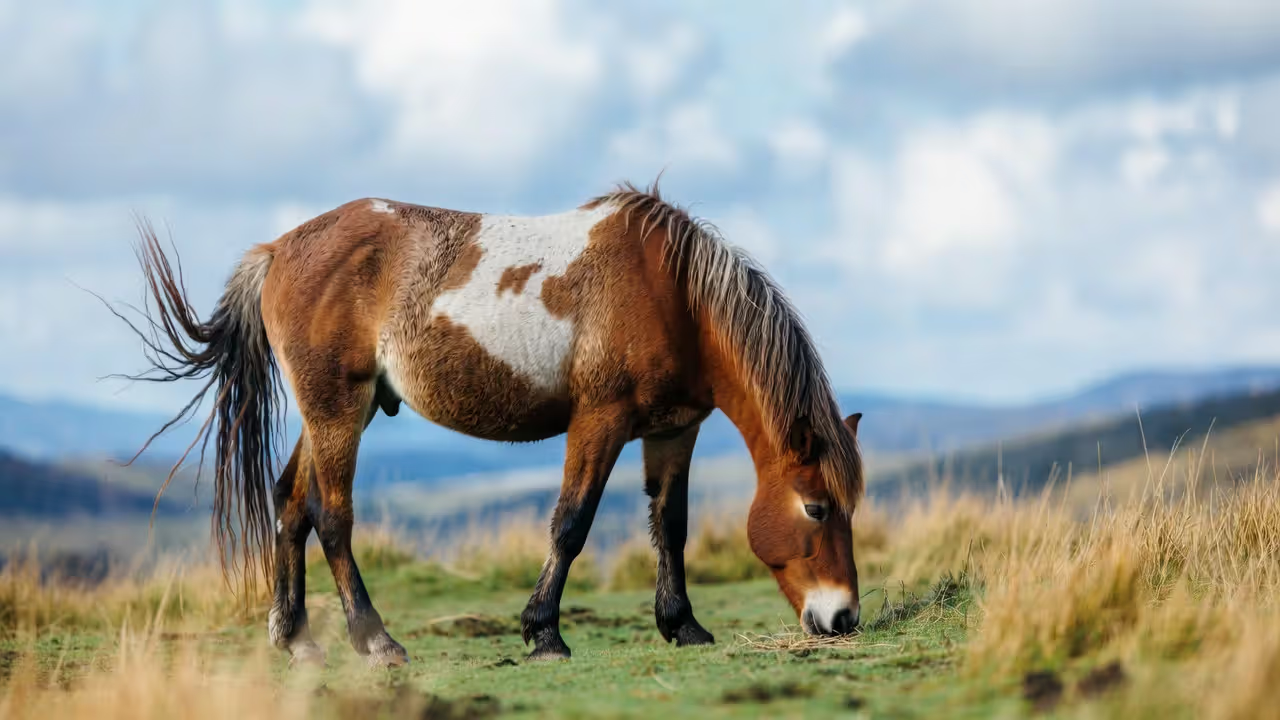
Picture wild horses scattered across Nevada's high desert or Mongolia's steppes. They're walking slowly, heads down, constantly ripping and chewing sparse, tough grasses. Not rich, not lush—actually pretty low-quality forage by our standards. This went on for roughly 55 million years of evolution, and their guts adapted accordingly.
The equine stomach holds maybe 2-4 gallons—absurdly small for such a large animal. It secretes hydrochloric acid continuously, up to 16 gallons daily, whether food's present or not. Nature designed this system around constant buffering from steady forage intake. Leave a horse's stomach empty for several hours, and that acid starts eroding the stomach lining. Ulcers develop fast, sometimes within days of schedule changes.
Now consider the hindgut—the cecum and large colon together hold roughly 30 gallons and house trillions of microbes that ferment plant fiber into volatile fatty acids. These fatty acids provide up to 70% of a horse's energy. But here's the critical part: those microbial populations are incredibly fragile. Change feed types abruptly, and you risk massive die-offs that produce toxins, gas, and potentially fatal colic.
The single biggest mistake I see is treating horses like livestock that need 'feeding' rather than grazers that need continuous forage access. When we mimic their natural eating patterns—frequent, small amounts of fibrous material—we prevent the majority of digestive and metabolic issues.
— Dr. Juliet Getty
This forage-first philosophy should anchor every feeding decision you make. Before considering grain, supplements, or anything else, ask yourself: "Is the hay situation solid?" If not, fix that first.
Core Components of a Daily Horse Diet
Forage: The Foundation of Horse Nutrition
Author: Emily Harrington;
Source: 3templatedesign.site
When equine nutritionists say "forage," they mean hay, pasture grass, hay cubes, pellets, or chaff—basically any fibrous plant material. Your horse needs a minimum of 1.5-2% of body weight daily. For a typical 1,000-pound horse, that's 15-20 pounds, though many do better on even more.
Quality varies wildly, and this matters more than quantity. I've seen horses maintain better condition on 18 pounds of excellent second-cutting timothy than on 25 pounds of rained-on, sun-bleached junk that sat in a field too long before baling. Good hay smells slightly sweet, feels soft yet structured (definitely not dusty or crumbly), and shows green color throughout. If it's brown, yellow, smells musty, or produces dust clouds when you shake a flake, find a different supplier.
Timing of cutting matters too. Hay harvested at peak maturity—after plants have gone to seed and developed thick, woody stems—contains far less digestible nutrition than hay cut slightly earlier, when plants are leafy and tender. Your horse will happily eat both, but one supports health while the other just fills the belly.
Pasture access sounds ideal until you factor in the complications. Spring grass can contain 30-40% sugar—more than some sweet feeds—which triggers laminitis in metabolically sensitive horses faster than you'd believe. Overgrazed dirt lots expose horses to sand ingestion (hello, sand colic) and heavy parasite loads while providing almost zero nutrition. Well-managed rotational grazing on established, appropriately stocked pasture? That's genuinely excellent. Most boarding situations? Not so much.
Concentrates and Grains: When and Why
Concentrates—grains, pelleted feeds, sweet feeds—pack significant calories and targeted nutrients into smaller volumes than forage alone can provide. Notice I said "can provide," not "should provide." That backyard trail horse ridden twice weekly? Probably doesn't need grain at all. A three-day eventer doing conditioning work six days a week? Definitely needs the caloric density concentrates offer.
Oats remain the safest grain choice because they contain less starch and more fiber than corn or barley. Commercial pelleted feeds deliver balanced nutrition with vitamins and minerals formulated for specific life stages—weanlings, broodmares, seniors, performance horses. Sweet feeds (grains held together with molasses) taste great but pump sugar into horses that often don't need it, especially those with insulin resistance.
Here's where people get into trouble: overfeeding grain. The small intestine can digest maybe 3-4 pounds of starch per meal, max. Exceed that amount, and undigested starch floods into the hindgut, where it ferments violently. The resulting gas and acid kill beneficial bacteria, produce endotoxins, and can trigger colic or laminitis within hours. I've seen horses founder from a single massive grain meal.
Water Requirements Often Overlooked
Horses drink 5-10 gallons daily under normal conditions—more in summer heat, during heavy exercise, or when eating dry hay exclusively. Dehydration is the express lane to impaction colic. The digestive tract literally grinds to a halt when water intake drops.
Most horses prefer water temperatures between 45-65°F. They'll reduce intake if water's ice-cold in winter or sitting stagnant and green in summer. Check water sources twice daily minimum. Automatic waterers malfunction, troughs freeze solid, and some horses refuse to drink water that tastes different when traveling to shows or new barns. A horse that stops drinking for even 12 hours is heading toward serious trouble.
Hay vs Grain: What Your Horse Actually Needs
Author: Emily Harrington;
Source: 3templatedesign.site
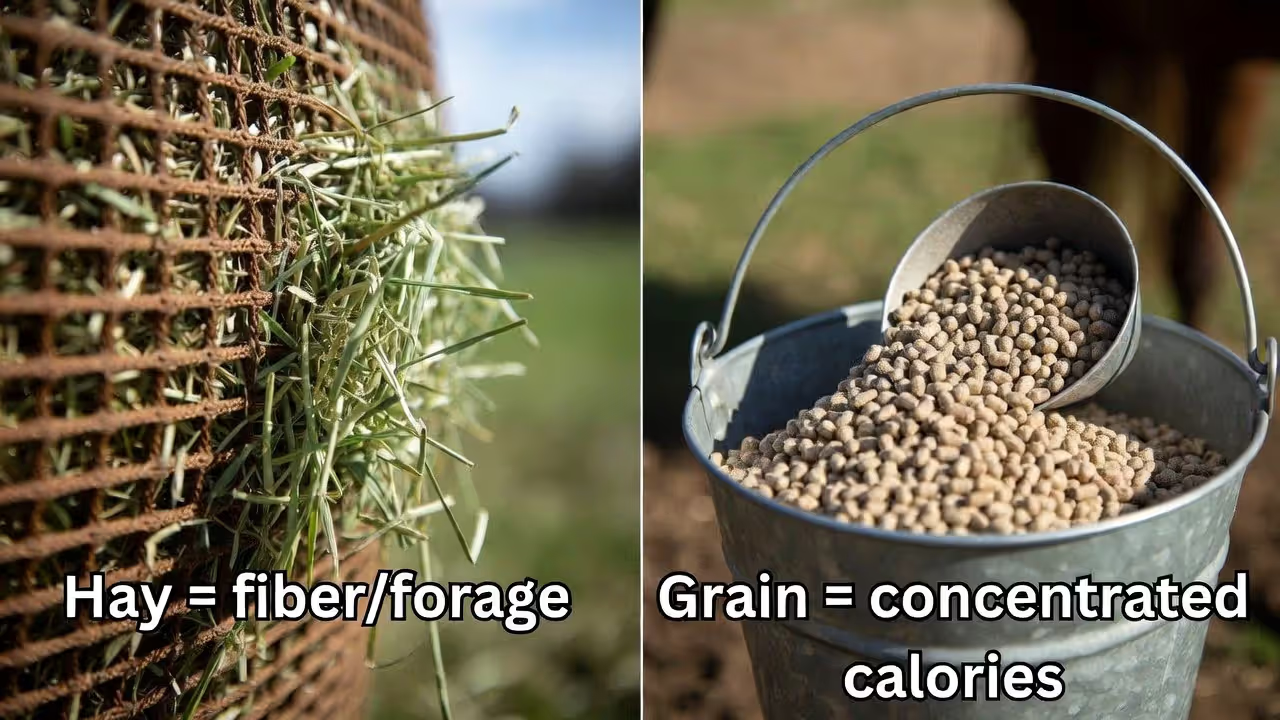
Let's clarify something right now—hay and grain aren't competing options. They serve completely different purposes. Hay provides the digestive bulk and fiber that keeps the gut functioning properly. Grain supplies concentrated energy when forage alone can't meet caloric demands. One's foundational, the other's supplemental.
Feed Category
Protein Content
Fiber Percentage
Digestibility Rating
Ideal For
Daily Cost Range
Timothy hay
8-10%
32-34%
Moderate
Maintenance horses, easy keepers
$3-5
Alfalfa hay
15-18%
25-28%
High
Performance work, growth phases, lactation
$5-8
Mixed grass hay
9-12%
30-35%
Moderate
General use, most adult horses
$3-6
Straight oats
11-13%
12-14%
High
Performance horses, weight gain needs
$1-2
Molasses-coated sweet feed
10-12%
8-12%
Very High
Hard keepers, picky eaters
$1.50-3
Complete pelleted ration
12-14%
15-18%
High
Senior horses, dental problems
$2-4
Alfalfa's elevated protein (15-18%) and calcium content makes it brilliant for growing youngsters, pregnant mares in their last trimester, and performance horses burning serious calories. But feed that same rich legume hay to an easy keeper or metabolic horse, and you're asking for trouble. Alfalfa also generates more metabolic heat during digestion, making it less than ideal for summer feeding in hot climates like Texas or Florida.
Grass hays—timothy, orchard grass, brome—deliver moderate nutrition suitable for most adult horses doing light to moderate work. They're far less likely to trigger metabolic issues, and they allow horses to eat larger quantities without consuming excess calories (important for horses that psychologically need to chew constantly).
When does grain become necessary? When forage alone can't meet energy requirements. That barrel racer competing every weekend, the jumper schooling courses five days a week, the Thoroughbred racehorse doing speed work—these athletes need caloric density that hay simply cannot provide in reasonable volumes. But Billy the backyard horse who trail rides twice weekly? Hay's probably covering everything he needs, maybe with a ration balancer to fill any mineral gaps.
How Much Do Horses Eat Daily? Feeding Guidelines by Weight and Activity
Here's your starting formula: horses should consume 2-2.5% of body weight daily in total feed. Most of that—ideally 1.5-2%—should come from forage. Concentrates fill the gap only when necessary.
So that 1,000-pound horse doing light work needs roughly 20 pounds of feed total—preferably 18-20 pounds of hay and perhaps 2-3 pounds of a ration balancer if the hay quality's questionable or the horse needs specific vitamins and minerals.
Horse Weight (lbs)
Work Level
Daily Hay Amount (lbs)
Daily Concentrate (lbs)
Total Feed Percentage
800
Light trail riding, pasture turnout
14-16
0-2
2.0%
1,000
Light trail riding, pasture turnout
18-20
0-2
2.0%
1,000
Moderate lessons, local showing
16-18
3-5
2.2%
1,000
Heavy training, regular competition
15-17
5-8
2.5%
1,200
Light trail riding, pasture turnout
22-24
0-2
2.0%
1,200
Moderate lessons, local showing
20-22
4-6
2.2%
1,200
Heavy training, regular competition
18-20
7-10
2.5%
Senior horses—say, 20 years and older—often need 10-15% more feed to maintain weight as their digestive efficiency declines and teeth wear down. Young horses under three years need elevated protein (14-16%) and calories to fuel growth. Pregnant mares coast through the first eight months with minimal increases, then nutritional demands spike dramatically in the final trimester and through lactation.
Body condition scoring matters infinitely more than bathroom scales. Run your hands along your horse's ribs—you should feel them easily without pressing, but not see them jutting out prominently. The topline over the spine should be smooth and rounded, not ridged or sunken. The tailhead should feel rounded, not angular or buried in fat deposits. Adjust feed based on actual condition changes over time, not day-to-day visual impressions that can mislead you.
Creating a Safe Horse Feeding Schedule
Horses are creatures of profound habit. Feed at 7am and 7pm daily, and your horse's entire digestive system anticipates those meals—producing enzymes, secreting stomach acid, priming the hindgut microbes. Irregular feeding creates stress, elevates ulcer risk, and can spawn behavioral problems like weaving, cribbing, or wood chewing.
Ideally, you'd split daily forage into three or four feedings. Even better? Provide free-choice hay through slow-feed nets (especially for easy keepers who need to slow consumption without restricting total intake). The goal is mimicking wild grazing patterns—never letting that stomach sit empty for more than 4-6 hours maximum.
When feeding concentrates, split them into multiple smaller meals. Never dump more than 4-5 pounds of grain in front of a horse at once. A horse needing 10 pounds of concentrate daily should receive it across three separate feedings, not two massive ones that overwhelm the small intestine's digestive capacity.
Always feed hay before grain. Having hay already in the stomach slows grain passage through the digestive tract, improving digestion and reducing the risk of undigested starch reaching the hindgut. Some trainers feed several flakes of hay, wait 30 minutes, then offer grain. This approach works particularly well for horses prone to digestive upset or metabolic issues.
Seasonal adjustments aren't optional. Winter feeding needs to increase 10-20% just to maintain body heat, especially for horses living outside without adequate shelter. A cold snap can drop body condition faster than you'd expect. Summer heat suppresses appetite while increasing water requirements—some horses need extra electrolytes to maintain proper hydration. Spring grass requires careful management to prevent laminitis in at-risk horses through limited grazing windows or grazing muzzles during peak growth periods in April and May.
Don't ride horses immediately after big meals. Wait at least 60-90 minutes after grain feeding before tacking up. A stomach full of concentrates can interfere with proper breathing and significantly increases colic risk during work. Hay before riding? No problem at all—fiber in the stomach doesn't cause issues.
Supplements, Treats, and Foods Horses Should Never Eat
Author: Emily Harrington;
Source: 3templatedesign.site
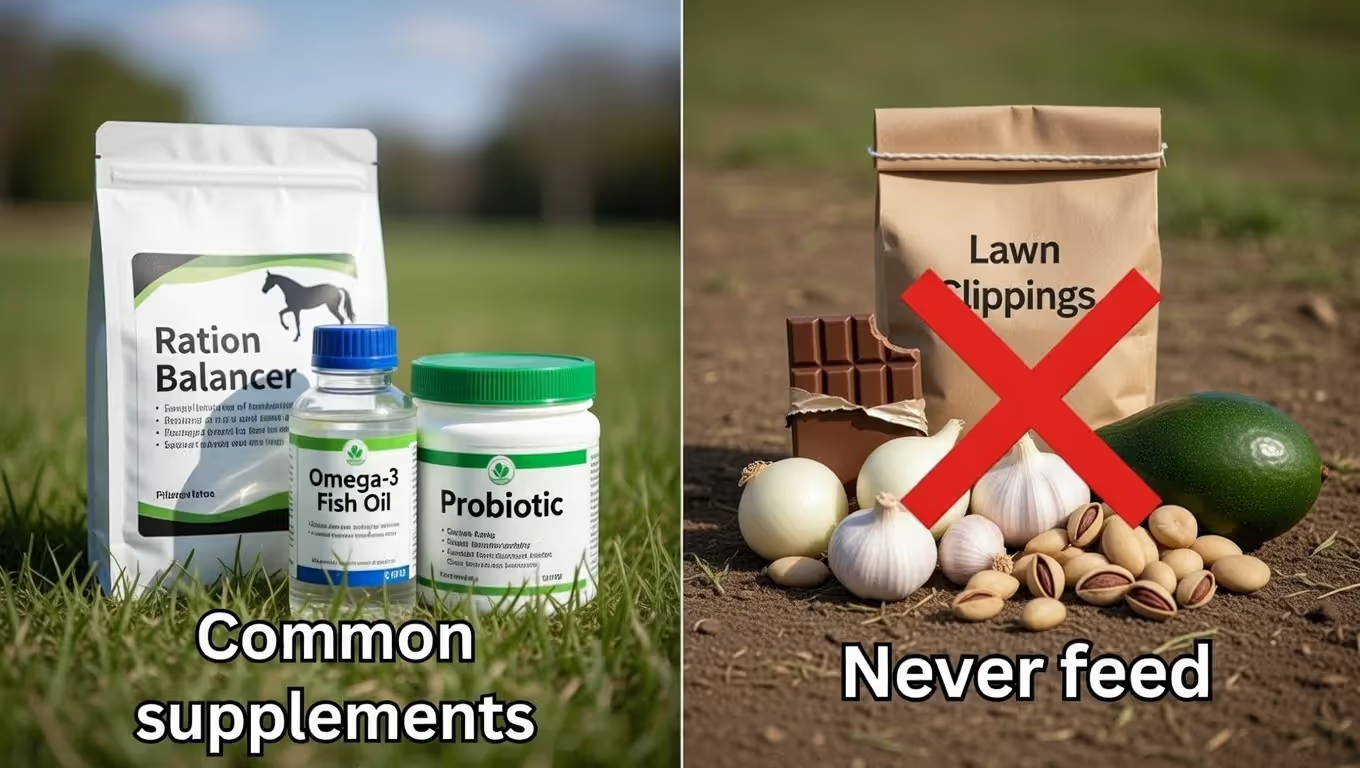
A horse eating quality forage plus a properly formulated commercial feed probably has every nutritional need met already. But here's reality—most horses eat hay of completely unknown nutritional content from random suppliers, making vitamin and mineral supplementation reasonable insurance. A ration balancer (low-calorie pelleted feed providing concentrated vitamins and minerals without excess calories) fills nutritional gaps elegantly.
Joint supplements containing glucosamine and chondroitin sulfate might benefit older horses or those doing hard work, though research results are decidedly mixed. Probiotics can help horses recovering from antibiotic treatment or digestive upset by re-establishing beneficial gut bacteria. Omega-3 supplements from flax or fish oil support coat quality and may reduce systemic inflammation.
Here's what to avoid: supplement stacking. Don't feed multiple products that duplicate ingredients. Too much selenium causes hair loss and hoof damage. Excess vitamin A creates bone problems. Iron overload damages the liver. If you're feeding commercial feed already fortified with vitamins and minerals, piling on additional supplementation can create dangerous toxicity levels.
Toxic Foods and Plants to Avoid
Horses have zero innate knowledge of what plants are safe. They'll eat deadly plants readily, especially when pasture is overgrazed, hay is limited, or they're bored in confinement.
Never, ever feed: - Lawn clippings from your mower (ferment violently within hours, causing severe colic) - Large amounts of cruciferous vegetables like cabbage or broccoli (produce excessive gas) - Stone fruit pits from cherries, peaches, plums (contain cyanide compounds) - Any amount of chocolate (theobroamine is toxic to horses) - Onions or garlic in quantity (cause hemolytic anemia) - Tomatoes, potatoes, or other nightshade family plants (contain toxic alkaloids) - Avocado in any form (all parts are poisonous)
Common toxic plants include red maple leaves (cause rapid, severe anemia—often fatal), black walnut in shavings or fencing (triggers devastating laminitis), oleander (cardiac toxin, often fatal), yew (one mouthful can kill), and countless ornamental shrubs planted for landscaping. Walk your fence lines monthly, removing any suspicious plants before horses can sample them.
Safe treats include carrots, apples (cut into chunks, never fed whole—choking hazard), watermelon rind, bananas, and commercial horse treats in moderation. Keep total treats under 1-2 pounds daily—they're extras, not meal replacements or training bribe staples.
Common Horse Feeding Mistakes and How to Avoid Them
Grain overfeeding causes more problems than almost anything else. Owners see a thin horse and immediately double or triple grain amounts overnight. The predictable result? Digestive catastrophe. When your horse genuinely needs more calories, increase hay quantity first, then add concentrates slowly over 7-10 days, giving gut bacteria time to adapt.
Insufficient hay is remarkably common. Horses standing in stalls with empty hay nets for hours on end develop ulcers, colic, and behavioral problems rooted in frustration and digestive pain. Can't feed hay continuously? Use slow-feed hay nets that make hay last 2-3 times longer. No horse should ever face more than 6 hours without forage access.
Abrupt diet changes devastate the hindgut microbe population. Switching from timothy to alfalfa overnight, changing grain brands because of a sale, or moving to new pasture should happen gradually over at least a week. Gradually introduce the new feed by mixing increasing portions with decreasing portions of the old feed over multiple days.
Measuring hay by flakes instead of weight creates massive inconsistency. Flakes vary absurdly—a flake of dense, heavy alfalfa might weigh 8 pounds while a flake of stemmy grass hay barely hits 3 pounds. Invest in a hanging scale and weigh hay initially so you learn what appropriate amounts actually look like for your specific hay source.
Neglecting water availability happens more than it should. Horses won't eat properly without adequate water intake. Check every water source twice daily minimum, especially during winter when troughs freeze or summer when algae blooms.
Feeding grain right before exercise sets horses up for digestive problems and poor performance. Concentrate meals require 60-90 minutes of digestion time before work begins. Feed hay whenever you want, but save grain for post-ride.
Frequently Asked Questions About Horse Feeding
Can horses eat grass clippings from my lawn mower?
Absolutely not—this is genuinely dangerous. Mowed grass begins fermenting within just a few hours, creating gas and heat that can cause life-threatening colic. The fermentation process differs completely from the controlled microbial breakdown happening in your horse's hindgut when he grazes naturally. Plus, most lawns contain toxic weeds mixed with the grass, not to mention pesticides, herbicides, or fertilizers that are unsafe for horses. Want to offer fresh grass? Let your horse graze naturally rather than collecting clippings in a bucket and thinking you're being helpful.
What's the maximum time horses should go between meals?
Horses shouldn't face more than 6-8 hours without forage access. Remember, their stomachs produce acid continuously, and without food buffering that acid, ulcers form quickly. Even more concerning, the hindgut microbe population starts dying off without regular fiber coming through, dramatically increasing colic risk. During emergencies like natural disasters or transport situations, horses can technically survive several days without food, but digestive system damage begins accumulating rapidly. Consistent forage access isn't a luxury or convenience—it's a physiological requirement.
Can my horse thrive on hay alone, or is grain necessary?
Most horses thrive beautifully on quality hay alone, possibly with a vitamin/mineral supplement or ration balancer added. Horses doing light work, easy keepers, and those with metabolic issues often perform better without any grain whatsoever. However, hard keepers struggling to maintain weight, performance horses doing serious work, growing horses, and pregnant or lactating mares typically need the concentrated calories grain delivers efficiently. The decision depends entirely on individual body condition, actual workload (not perceived workload), and hay quality. Many, many horses receive grain they genuinely don't need.
What separates alfalfa from timothy hay nutritionally?
Alfalfa is a legume hay containing 15-18% protein, elevated calcium levels, and significantly more calories per pound than grass hays. It's rich, highly palatable, and excellent for horses requiring extra nutrition—performance horses, growing youngsters, hard keepers, or broodmares. Timothy is a grass hay with 8-10% protein, higher fiber content, and moderate calories, making it appropriate for most adult horses doing light to moderate work. Alfalfa generates more metabolic heat during digestion and can trigger metabolic problems in easy keepers or horses battling insulin resistance. Timothy offers safer general feeding, while alfalfa functions as a targeted nutritional boost when specific horses need it.
Feeding horses correctly requires understanding their unique digestive physiology, recognizing individual needs that vary dramatically between horses, and committing to consistency even when it's inconvenient. The forage-first approach—ensuring continuous access to quality hay or well-managed pasture—prevents the majority of digestive and metabolic problems we see.
Concentrates serve as targeted supplements for horses whose energy demands exceed what forage can reasonably provide, not as primary nutrition sources or automatic additions to every horse's diet.
Weigh your hay at least initially. Feed at consistent times daily. Make all dietary changes gradually over a week minimum. Prioritize water availability obsessively. Monitor body condition monthly, adjusting feed amounts based on actual condition changes rather than assumptions about what a horse "should" need.
When you're unsure—and you will be sometimes—consult an equine nutritionist or veterinarian who's familiar with your specific horse's circumstances, workload, and individual metabolism.
Your horse's long-term health, athletic performance, and longevity depend heavily on nutritional management done right. The time you invest understanding what horses eat and how to feed them properly pays enormous dividends through reduced veterinary costs, better athletic performance, fewer behavioral problems, and genuinely happier, healthier horses.
Owning a horse means taking on a living, breathing responsibility that depends entirely on you. Learn the five pillars of proper horse care: nutrition, shelter, grooming, exercise, and veterinary care. This practical guide covers daily routines, feeding schedules, stable management, and preventive health care.
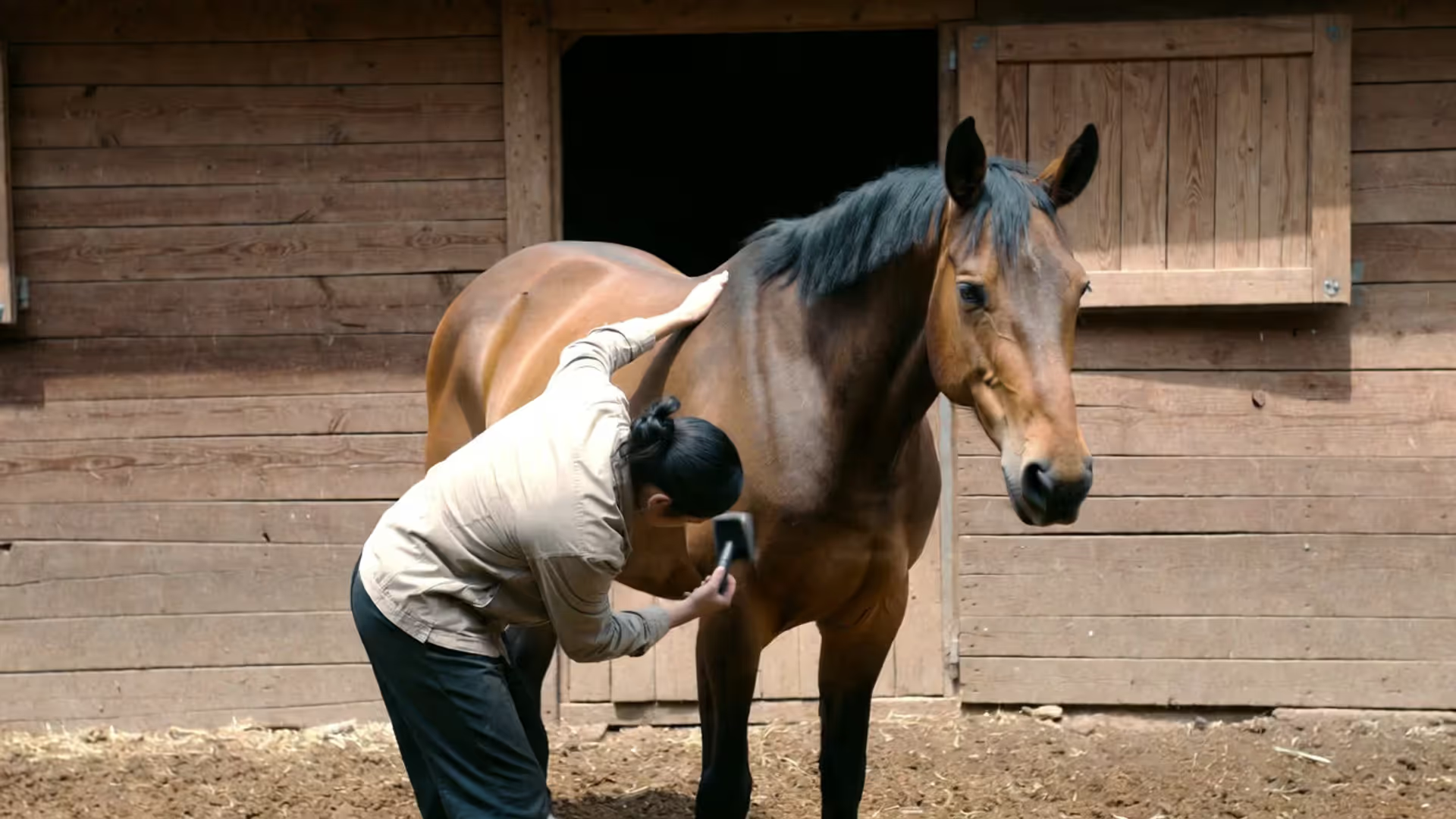
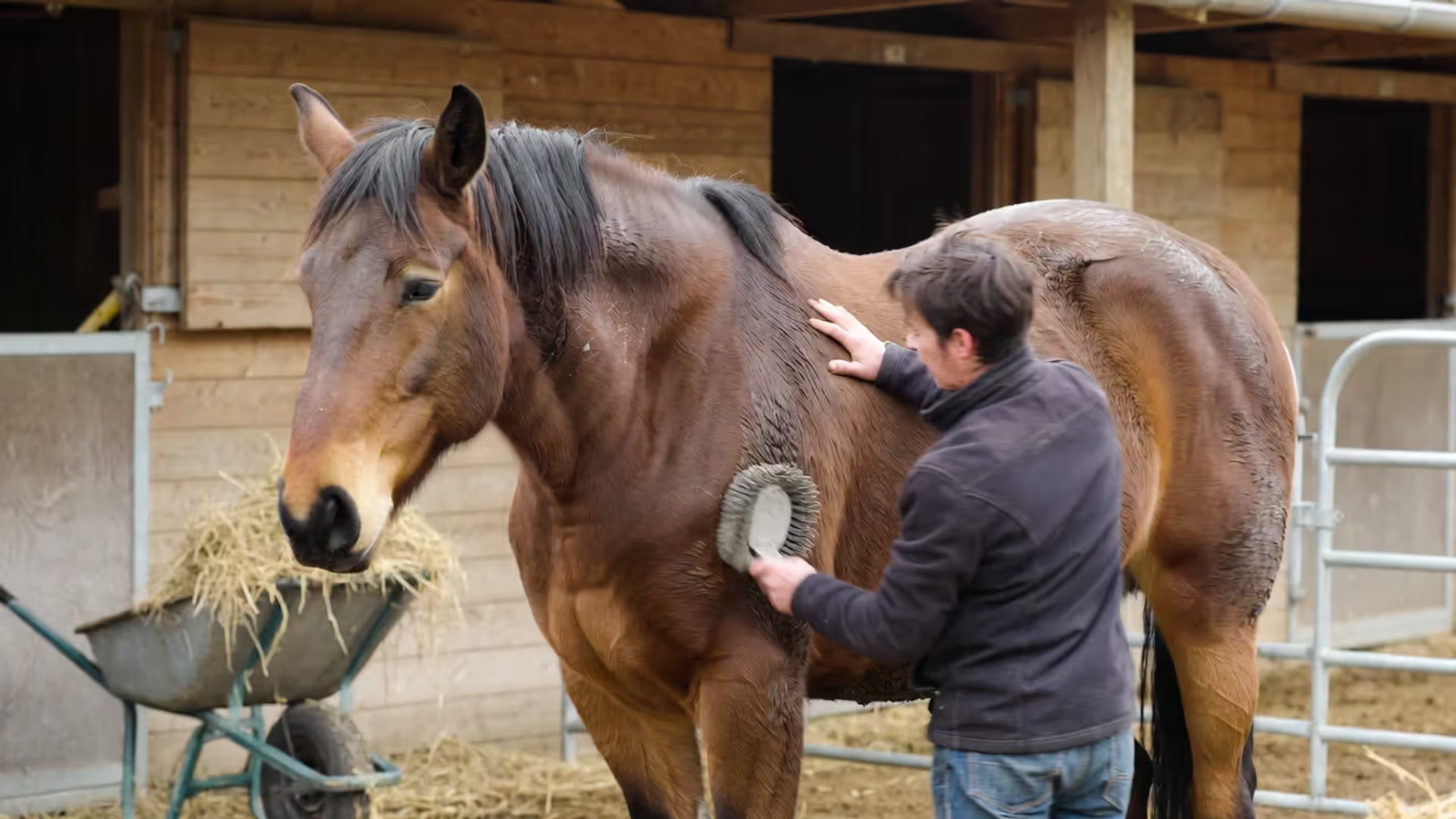
Grooming isn't just about making your horse look presentable. It's a foundational practice that keeps your equine partner healthy, comfortable, and ready to perform. Learn the proper technique, sequence, and tools that make all the difference in your horse's health and your bond together.
Content on 3templatedesign.site is provided for general informational and educational purposes only. The information on this website may include topics related to horse care, feeding, grooming, horse breeds, training methods, riding techniques, and common horse health conditions.
This content is not intended to be veterinary, medical, training, or professional animal care advice. Horse ownership and riding involve responsibilities and potential risks for both riders and animals.
Users are responsible for evaluating their own experience, equipment, and the condition of their horse before applying any information from this website. Use of this website does not create any professional, veterinary, or advisory relationship with trialstribulations.net.
We are not responsible for any injuries, damages, or losses resulting from the use of information provided on this website. Horse owners and riders are encouraged to consult qualified veterinarians, trainers, or equine professionals when making decisions about horse care or training.