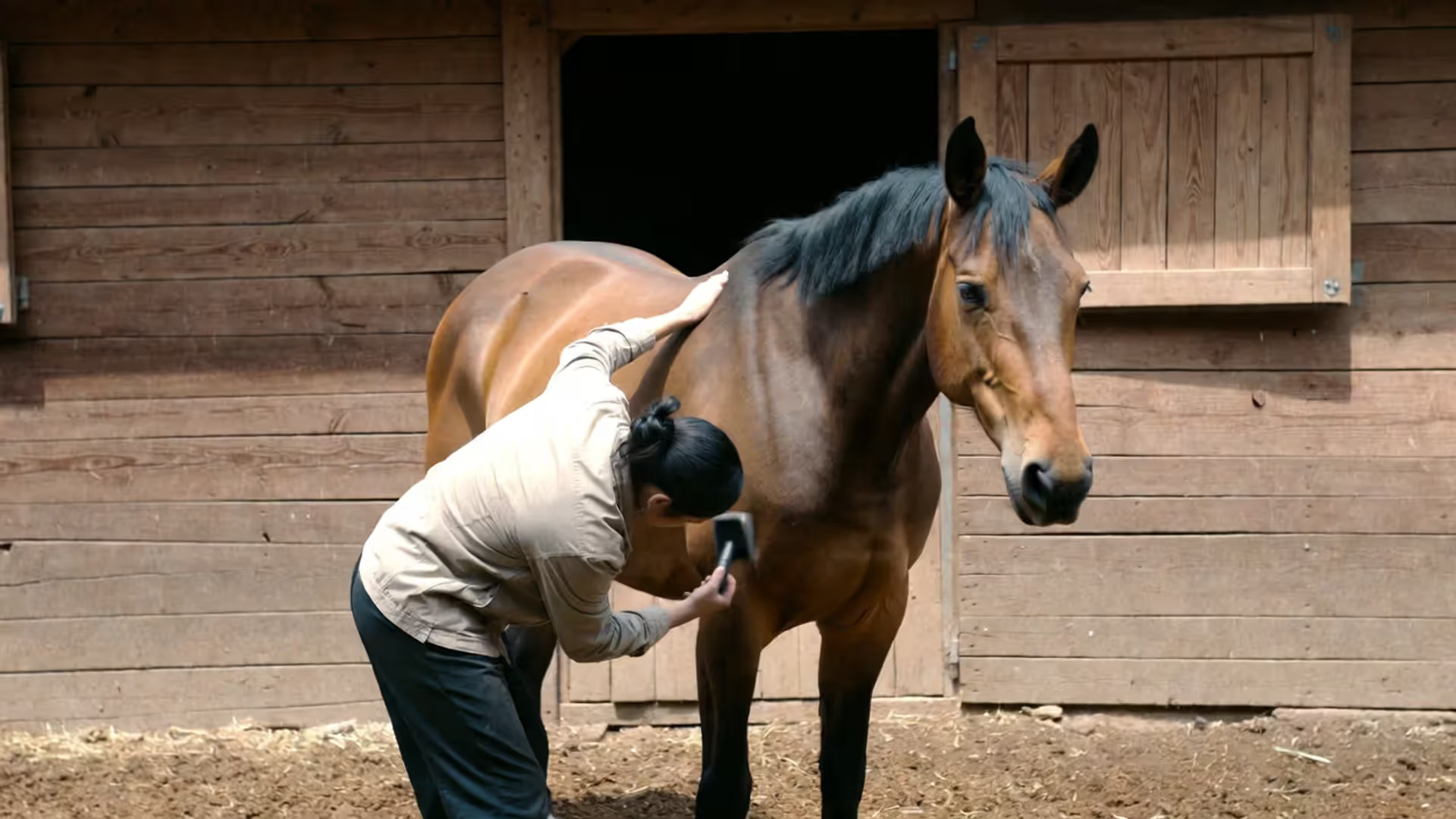
Let's be honest—grooming isn't just about making your horse look Instagram-worthy. Sure, that glossy coat looks fantastic, but here's what matters more: you're keeping your horse healthy, comfortable, and ready for whatever you've got planned. Maybe you just brought your first horse home last month. Or you've been riding for years but want to nail down the proper technique. Either way, getting the grooming sequence right makes everything easier.
When you groom regularly, you're boosting circulation under the skin. You're catching skin problems early. You're helping that coat do its job—whether that's keeping your horse warm in January or cool in August. But the real payoff? You'll spot that small cut on the shoulder before it gets infected. You'll feel heat in a hoof that tells you something's brewing. And you'll build the kind of trust that makes every other part of horse ownership smoother.
Why Regular Horse Grooming Matters for Health and Performance
New horse owners think grooming is mostly cosmetic. Something you do before a show or trail ride so your horse doesn't look like they rolled in a mud pit (even if they did). That's missing the point entirely.
Every grooming session doubles as a physical exam. You're running your hands over every inch of your horse. That's how you find things. A tiny scrape hidden under the forelock. Swelling on a back leg that wasn't there yesterday morning. A hot spot on a hoof that might mean an abscess is forming. Skin conditions like rain rot or ringworm show up as crusty patches or missing hair—things your fingers detect before your eyes catch them.
The curry comb and brushes stimulate blood flow near the skin's surface. That blood carries nutrients to the hair follicles and helps natural oils distribute through the coat. Horses stuck in stalls need this extra help, since they're not moving around all day like pastured horses do.
Here's something most people don't think about: your horse's coat is climate control. When dirt, mud, and dried sweat cake into the hair, individual strands can't fluff up to trap warm air in winter. In summer, that same crud blocks heat from escaping. A properly groomed coat adjusts to temperature changes the way it's supposed to.
I can't count how many times an observant owner caught early colic signs just because they noticed their horse's belly felt tense during grooming. Those daily hands-on sessions create a baseline for what's normal—you can't get that from just looking over the stall door.
— Dr. Sarah Mitchell, Equine Veterinarian, Kentucky Equine Hospital
The mental benefits run just as deep. Horses are social animals. In herds, they groom each other constantly. When you brush your horse, you're speaking their language. Watch closely—most horses show clear signs of relaxation. The head drops. Eyes go soft. That lower lip loosens and starts to droop. Some horses will nibble at your shoulder or arm, trying to return the favor.
Essential Tools You Need in Your Horse Grooming Kit
Walk into any tack shop and you'll face an overwhelming wall of grooming tools in every color imaginable. Good news: you don't need all of it. But certain items aren't optional.
Must-Have Brushes and Combs
Author: Nathan Caldwell;
Source: 3templatedesign.site
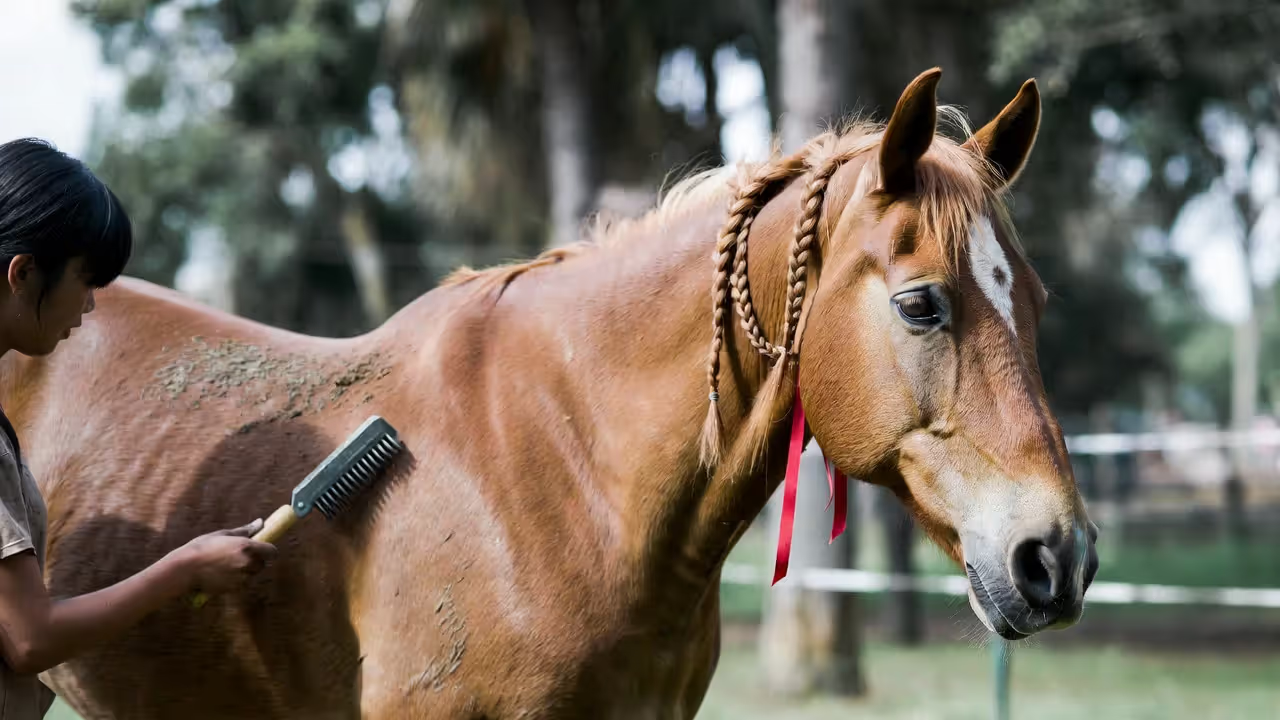
Start with a rubber or plastic curry comb. This tool has short, blunt teeth that dig into the coat and loosen dirt, dead hair, and crusty sweat. Use it in circular motions with firm pressure over muscled areas. Never curry the face, lower legs, or bony areas—those spots need gentler tools.
Your dandy brush (also called a hard brush) comes next. It has stiff bristles that sweep away the debris the curry comb loosened. Works great on the body, but it's too harsh for sensitive areas.
The soft body brush handles finishing work. Its fine, densely packed bristles pick up dust and add shine. This is gentle enough for faces and legs if you use a light touch.
For manes and tails, you'll want specialized tools. Metal combs work fast but snap hairs easily. Wide-toothed plastic combs or detangling brushes are more forgiving.
Hoof Care and Finishing Tools
A hoof pick isn't optional—it's mandatory. Get one with a brush attachment. Packed hooves lead to thrush, bruising, or lameness from trapped stones. You'll use this before and after every ride, plus during regular grooming.
Keep separate sponges for different body parts. One for the face (eyes, nose, mouth). Another for the dock area under the tail. This prevents spreading bacteria from one end to the other.
Detangling spray helps with stubborn knots in manes and tails, though plenty of horses do fine without it. Hoof conditioner maintains moisture balance in the hoof wall, especially useful in very dry or very wet climates.
Tool Name
Primary Purpose
Best Used When
Approximate Cost
Rubber Curry Comb
Loosens packed dirt, mud, and shedding hair from deep in the coat
Daily grooming, heavy shedding periods
$5–$12
Stiff Dandy Brush
Sweeps away loosened dirt and dried mud
After currying, body only
$8–$18
Soft Body Brush
Removes fine dust and adds shine
Finishing touches, face and legs
$12–$25
Mane & Tail Comb
Detangles without breaking hair
After body grooming, before braiding
$6–$15
Hoof Pick with Brush
Cleans packed material from hoof structures
Before riding, after riding, daily checks
$4–$10
Face Sponge
Wipes discharge from eyes, nose, muzzle
Daily or as needed
$3–$8
Body Sponge
Cleans dock, sheath, or udder
Weekly or as needed
$3–$8
Sweat Scraper
Removes excess water after baths
Post-bath or after hard work
$5–$12
Grooming Tote
Organizes and transports tools
Storage and barn use
$15–$40
Quality beats quantity every time. A $15 body brush with real bristles will outlast three cheap synthetic versions and work better. Buy the best you can afford, then add specialty items as specific needs come up.
The Correct Order: Horse Grooming Steps from Start to Finish
The grooming sequence follows a logical pattern. Each step prepares the coat for the next tool and ensures you cover everything systematically.
Pre-Grooming Safety Check
Before grabbing any tools, secure your horse properly. Cross-ties work for experienced, calm horses. For young or nervous ones, have someone hold them or use a single tie with a quick-release knot.
Do a quick visual assessment first. Does your horse look normal standing there? See any cuts, swelling, or discharge? Check their attitude—ears forward and interested, or pinned back and tense? A normally friendly horse acting cranky might be hurting somewhere.
Stay safe during grooming. Work beside your horse, not directly in front or behind. Keep your feet ready to move quickly if needed. Talk to your horse so they always know where you are.
Body Brushing Technique
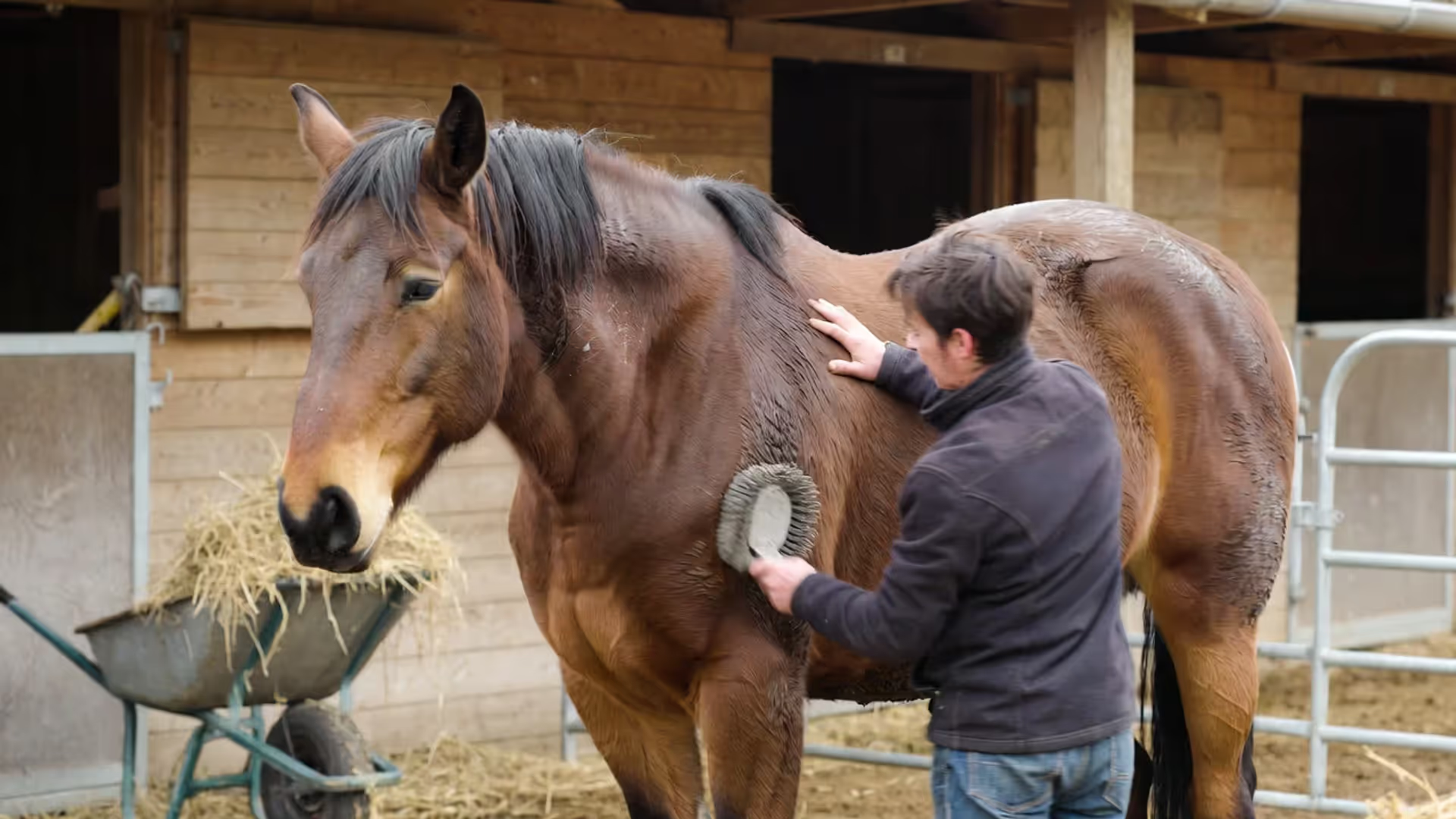
Start currying on the left side of the neck. Use firm, overlapping circles and work from front to back. Cover the neck, shoulder, barrel, and hindquarters. Press hard over big muscle groups but ease up over the backbone and hip bones.
Knock your curry comb against your boot or a wall regularly to clean it. You'll be shocked how much dirt comes off an apparently clean horse.
Switch to the dandy brush, following the same pattern. Make quick, sweeping strokes in the direction the hair grows. Flick the dirt away and off, not just around. Clean your brush every few strokes by scraping it across the curry comb.
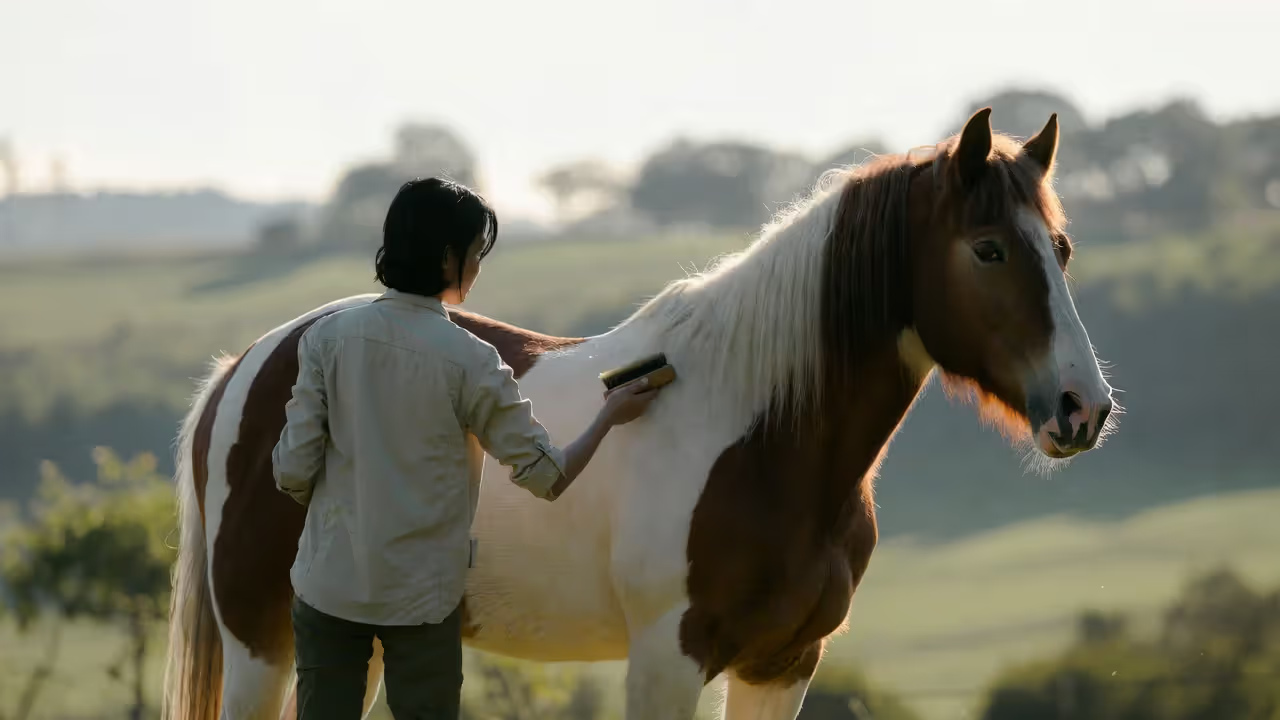
Finish with the soft brush using long, smooth strokes. This removes the finest dust and creates that shine everyone wants. Every few strokes, run your free hand over the area you just brushed. You'll feel whether the coat is truly clean or if you missed spots.
Do both sides thoroughly. Most people start on the left (the "near side" in horse terms) then move to the right ("off side"). Doesn't really matter which you prefer—just be consistent.
Mane, Tail, and Sensitive Area Care
Switch to your soft brush for the face. Gently work over the forehead, cheeks, and jaw. Most horses like having their forelock brushed forward then smoothed back down.
Use a damp sponge around the eyes and nostrils. Wipe gently—you're removing discharge and dust, not scrubbing. Grab your second sponge for the dock and between the back legs.
Manes and tails require patience. Start at the bottom of the tail, holding the hair above where you're working so you're not pulling on the dock. Take small sections. Work tangles apart with your fingers before using a brush. Spray detangler on really stubborn knots.
Don't yank or force matted sections apart. You'll break hairs and make your horse head-shy about future grooming. If a knot won't come out, carefully cut it rather than hurting your horse.
Hoof Picking and Inspection
Clean all four hooves even if your horse hasn't left the stall. Stand facing toward the tail, run your hand down the leg, and ask for the hoof. Hold it with one hand while picking with the other.
Work from heel to toe, following the natural V-shape of the frog. Dig out dirt, manure, and bedding. Check the entire sole, the frog, and the grooves beside the frog for black, smelly gunk that signals thrush.
Look at the hoof wall for cracks, chips, or separations. Feel the wall and coronary band for unusual heat that might mean inflammation inside. Make mental notes about when the farrier needs to come based on how much the hooves have grown.
Set each hoof down gently when you're done. Never drop it or let it fall—that's rude and will make your horse less cooperative next time.
Creating Your Horse Grooming Schedule: Frequency Recommendations
Author: Nathan Caldwell;
Source: 3templatedesign.site
The simple answer: groom daily. But the intensity and time investment vary based on circumstances.
Horses in regular work need thorough grooming before and after riding. Pre-ride takes 15–20 minutes, focusing on where tack touches. Dirt trapped under a saddle pad causes rubs and sores. Grit on legs irritates skin during movement.
Post-ride grooming handles sweat and heat. Use a sweat scraper if your horse is soaked, then brush once they're dry. Check legs for heat, swelling, or cuts from the ride.
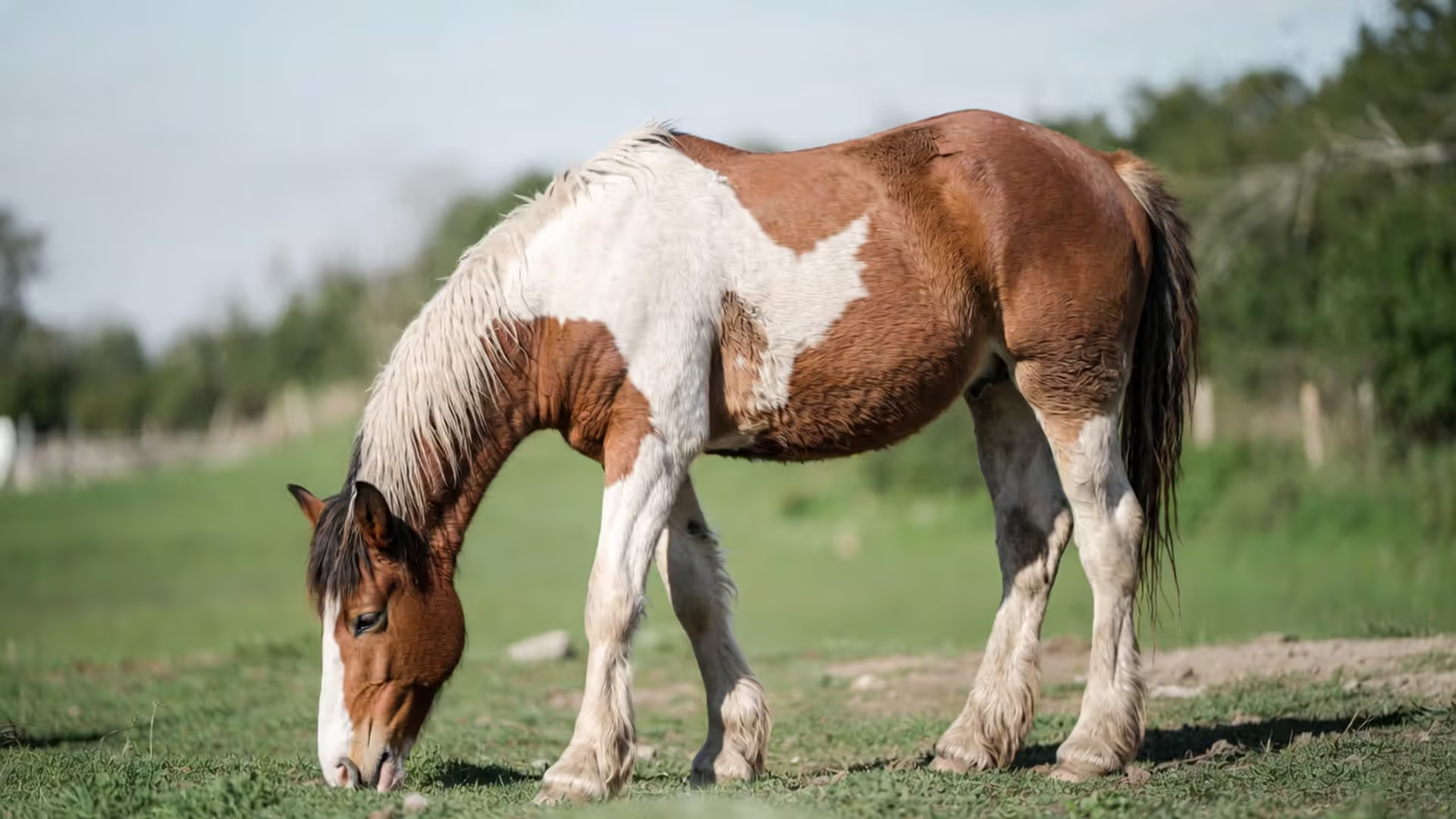
Pasture horses need regular grooming despite potentially staying cleaner than stalled ones. Aim for thorough sessions 3–4 times weekly minimum, with daily hoof checks. Pastured horses grow thicker coats and tougher hooves from constant movement and varied terrain, but they're not self-maintaining.
Stalled horses need daily attention. Limited movement means reduced circulation and more exposure to ammonia from urine-soaked bedding. Their coats accumulate more dust and need help staying healthy.
Adjust for seasons. Spring shedding requires extra curry work to help remove winter coats. You'll fill buckets with hair during peak shedding. Summer might mean daily sweat removal and fly spray. Winter grooming should be gentler—you want to preserve natural oils and loft for insulation.
Quick daily sessions take about 15 minutes. You curry, brush, pick hooves, and do a basic health check. Deep grooming might run 45 minutes to an hour, including baths, mane work, or detailed tail care.
Consider your individual horse's tolerance. Some find grooming deeply relaxing and will stand for an hour. Others get fidgety after 20 minutes. Work within your horse's patience while still completing necessary tasks.
Common Horse Grooming Mistakes and How to Avoid Them
Brushing backwards against the hair might look like it works better, but it irritates skin and damages the coat. Always brush in the direction hair grows. The exception is the curry comb used in circles, which works because of how it's designed.
Skipping hoof care is dangerous and surprisingly common. New owners sometimes feel intimidated by picking up hooves or assume things are fine if the horse isn't limping. Regular hoof cleaning prevents 90% of common hoof problems. Make it non-negotiable.
Using the wrong brush for the job causes real discomfort. Stiff brushes on faces hurt. Soft brushes on mud-caked legs accomplish nothing. Match the tool to the task. When in doubt, go softer rather than harsher.
Rushing through sensitive areas makes horses resistant to grooming. The girth area, flanks, and inner thighs are ticklish for many horses. They'll pin their ears, swish their tail, or try to walk away. Slow down, use a softer brush, and give them time to adjust. Punishing them for natural reactions makes it worse.
Not cleaning your tools spreads dirt, skin conditions, and potentially parasites between horses. Dirty grooming tools defeat the whole purpose. Wash brushes weekly with mild soap and water, letting them dry completely before next use.
Grooming wet or muddy horses seems efficient but backfires—wet dirt smears into the coat and skin instead of brushing away. Let mud dry completely, then brush it off. If your horse is soaked from rain or a bath, use a sweat scraper and towels, then wait to brush until they're dry.
Too much pressure with any tool can hurt and damage skin. You need enough pressure to be effective but never so much that you leave marks or cause flinching. Watch your horse's body language—they'll tell you if you're too rough.
Frequently Asked Questions About Horse Grooming
What's the typical time needed for thorough horse grooming?
A basic daily session takes 15–20 minutes once you've got the routine down. That covers currying, brushing the body, working through the mane and tail, wiping the face, and cleaning all four hooves. If you're being meticulous about every detail, you might spend 30–45 minutes. Quick pre-ride grooming can be done in 10–15 minutes when you're just focusing on where the saddle and girth sit. You'll get faster as you develop a rhythm and your horse learns to stand quietly.
Is daily grooming safe for horses?
Yes, and it's actually beneficial for most horses—especially recommended for those in regular work or living in stalls. Daily sessions improve coat condition, stimulate circulation, and let you monitor for injuries or illness signs. Just dial back the intensity during winter when horses rely on natural coat oils for warmth. In cold weather, curry and brush more gently to maintain the coat's protective qualities while still removing dirt and checking for problems.
When should grooming happen—before riding, after, or both?
Both, because they serve different purposes. Before riding, you're removing dirt that could cause saddle sores or chafing under tack. Focus on the back, girth area, and anywhere equipment makes contact. Always clean hooves before riding to remove stones that could cause lameness. After riding, you're dealing with sweat, checking for injuries that happened during work, and helping your horse cool down properly. This timing also lets you thoroughly inspect legs and body condition.
What problems develop without consistent grooming?
Skipping regular grooming creates a cascade of issues. Dirt and dried sweat buildup irritates skin and can cause rain rot, scratches, or other skin conditions. Hooves packed with debris develop thrush, a bacterial infection that causes pain and lameness. You'll miss early signs of injury, illness, or parasites. The coat becomes dull and unhealthy. Tack rubbing against dirty hair creates painful sores. Beyond physical problems, you lose important bonding time and your horse may become harder to handle due to infrequent human contact.
Do most horses enjoy being groomed?
Most horses like grooming once they understand it's not threatening. Horses groom each other naturally, so brushing taps into instinctive social behavior. Look for signs of enjoyment: lowered head, soft eyes, relaxed lower lip, or leaning into the brush. Each horse has favorite spots—many especially love attention on the chest and withers. Some tolerate grooming without loving it. A few are sensitive or had bad experiences, requiring patient, gentle handling to learn that grooming feels good.
Grooming your horse well requires the right tools, proper technique, and consistent effort. What you put in comes back through better horse health, improved performance, and a stronger bond. Start with the basics: curry, brush, pick hooves, and watch for problems. As you gain experience, you'll develop your own rhythm and learn what your particular horse needs.
Every horse is different. Some need intensive daily grooming while others do fine with lighter maintenance. Pay attention to your horse's coat condition, comfort signals, and how they respond to your grooming routine. Adjust based on seasonal changes, work level, and living situation. You're not aiming for perfection—you're aiming for a healthy, comfortable horse who trusts you and feels good.
Treat grooming as essential care, not a rushed chore. Those minutes with brushes in hand are when you'll notice subtle things that prevent major problems. Your hands will find warmth in a leg before swelling appears. You'll see a dull coat that signals nutritional issues. You'll feel your horse relax under your hands, building the partnership that makes everything else about horses safer and more enjoyable.
Owning a horse means taking on a living, breathing responsibility that depends entirely on you. Learn the five pillars of proper horse care: nutrition, shelter, grooming, exercise, and veterinary care. This practical guide covers daily routines, feeding schedules, stable management, and preventive health care.
Discover comprehensive horse feeding guidelines including forage requirements, grain needs, feeding schedules, and nutritional basics. Learn how much horses eat daily based on weight and activity, compare hay versus grain options, and avoid common feeding mistakes that threaten horse health.
Content on 3templatedesign.site is provided for general informational and educational purposes only. The information on this website may include topics related to horse care, feeding, grooming, horse breeds, training methods, riding techniques, and common horse health conditions.
This content is not intended to be veterinary, medical, training, or professional animal care advice. Horse ownership and riding involve responsibilities and potential risks for both riders and animals.
Users are responsible for evaluating their own experience, equipment, and the condition of their horse before applying any information from this website. Use of this website does not create any professional, veterinary, or advisory relationship with trialstribulations.net.
We are not responsible for any injuries, damages, or losses resulting from the use of information provided on this website. Horse owners and riders are encouraged to consult qualified veterinarians, trainers, or equine professionals when making decisions about horse care or training.