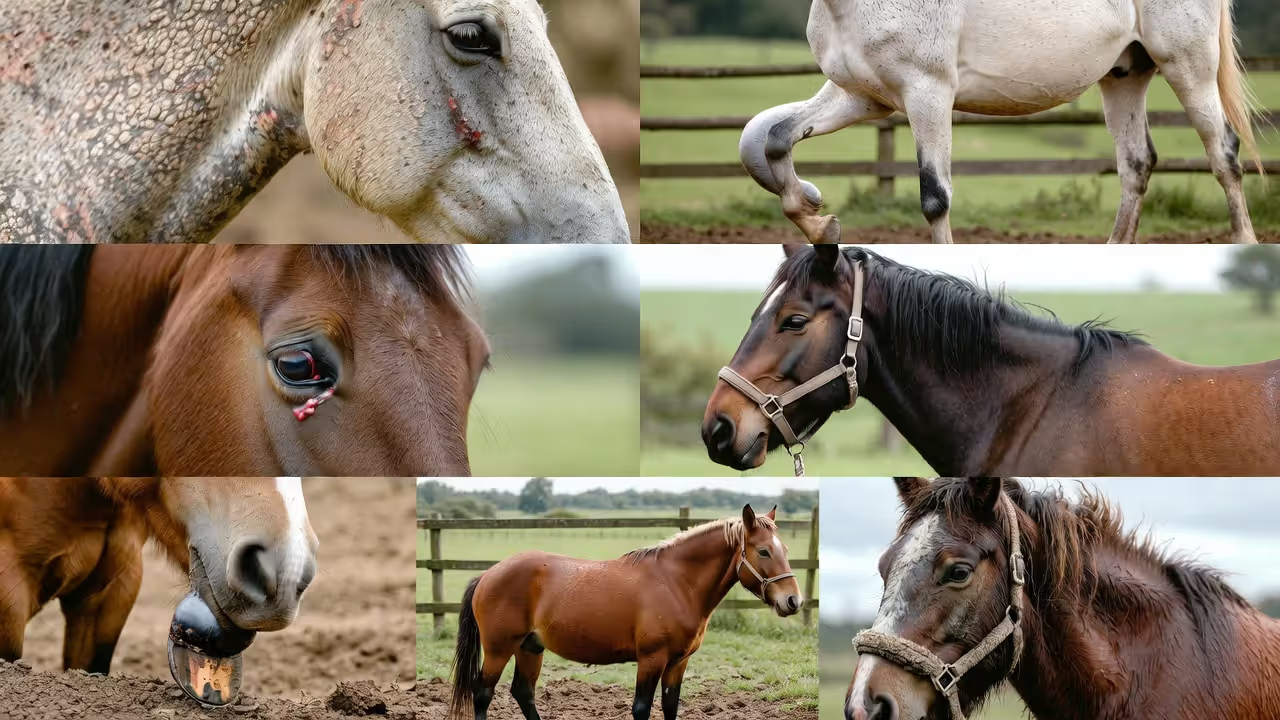
Three winters ago, I found my gelding standing motionless in his stall at 5:30 AM—unusual since he's normally banging his bucket for breakfast by 5:15. His flanks looked tight. His ears barely flicked when I called his name. That fifteen-minute deviation from routine saved his life. We caught the colic early, treated it fast, and avoided surgery.
Small changes matter. Your horse won't email you about stomach pain or schedule an appointment when his lungs feel tight. He'll just act slightly different—eat a little slower, stand a bit quieter, move somewhat stiffly. Miss those signals, and what could've been a $180 farm call becomes a $9,000 surgical emergency with uncertain odds.
The difference between catching problems early versus late? Knowing your individual horse's quirks well enough that deviations jump out immediately. Understanding which diseases affect horses commonly, what their early stages look like, and when "let's watch this another day" crosses into "call the vet right now" territory.
This guide covers the health problems you'll most likely encounter owning horses. Some you can prevent entirely. Others you'll just manage better when you recognize them faster.
How to Recognize Early Warning Signs of Illness in Your Horse
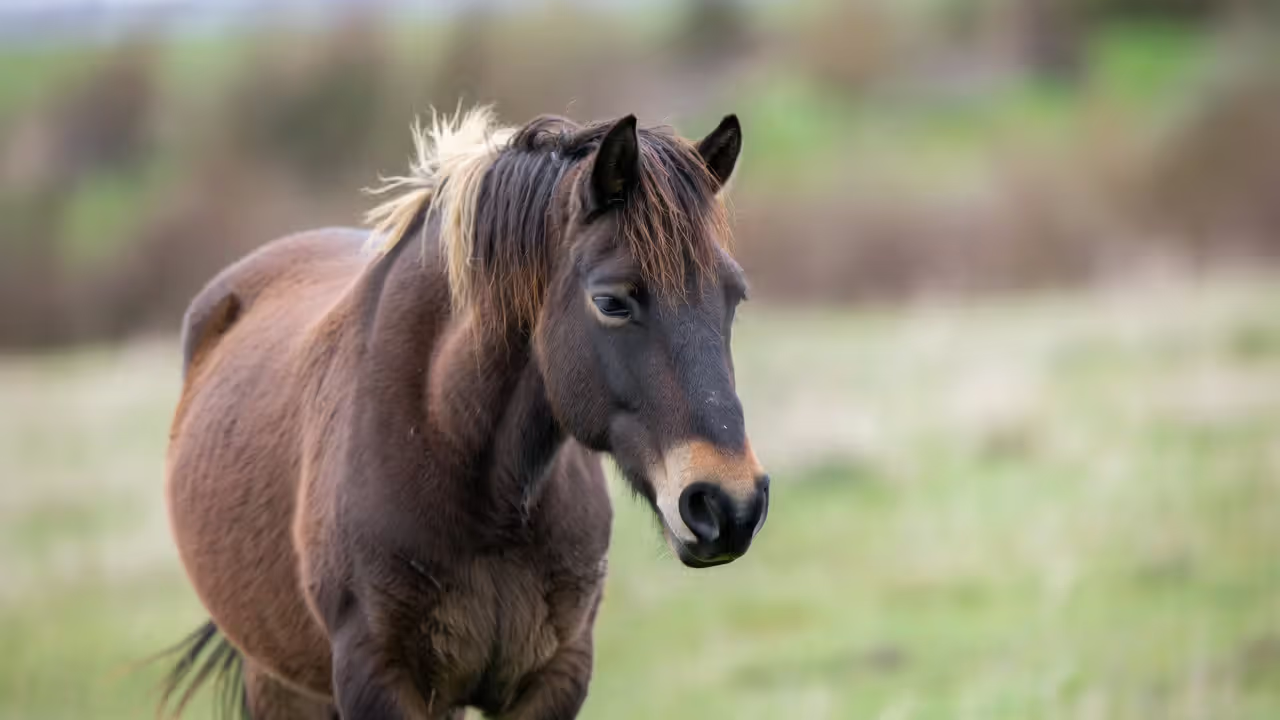
Healthy horses follow predictable routines. Mine walks to the gate every morning around 6 AM, nickers twice, and paws once if I'm running late. The day he stayed at the back corner of his paddock, head low, ignoring my arrival—I knew something had shifted wrong.
Behavior changes telegraph problems before visible symptoms develop:
Watch for horses separating themselves from pasture mates when they're normally social. Notice if your horse keeps looking back at his sides, especially combined with restlessness or pawing. Pay attention when horses resist grooming in spots they've always tolerated, or when typically willing horses suddenly brace against simple requests under saddle. These responses indicate discomfort somewhere.
My neighbor's mare started pinning her ears during saddling—a new behavior for a normally pleasant horse. Turned out she'd developed kissing spine. The horse was communicating pain weeks before lameness became obvious.
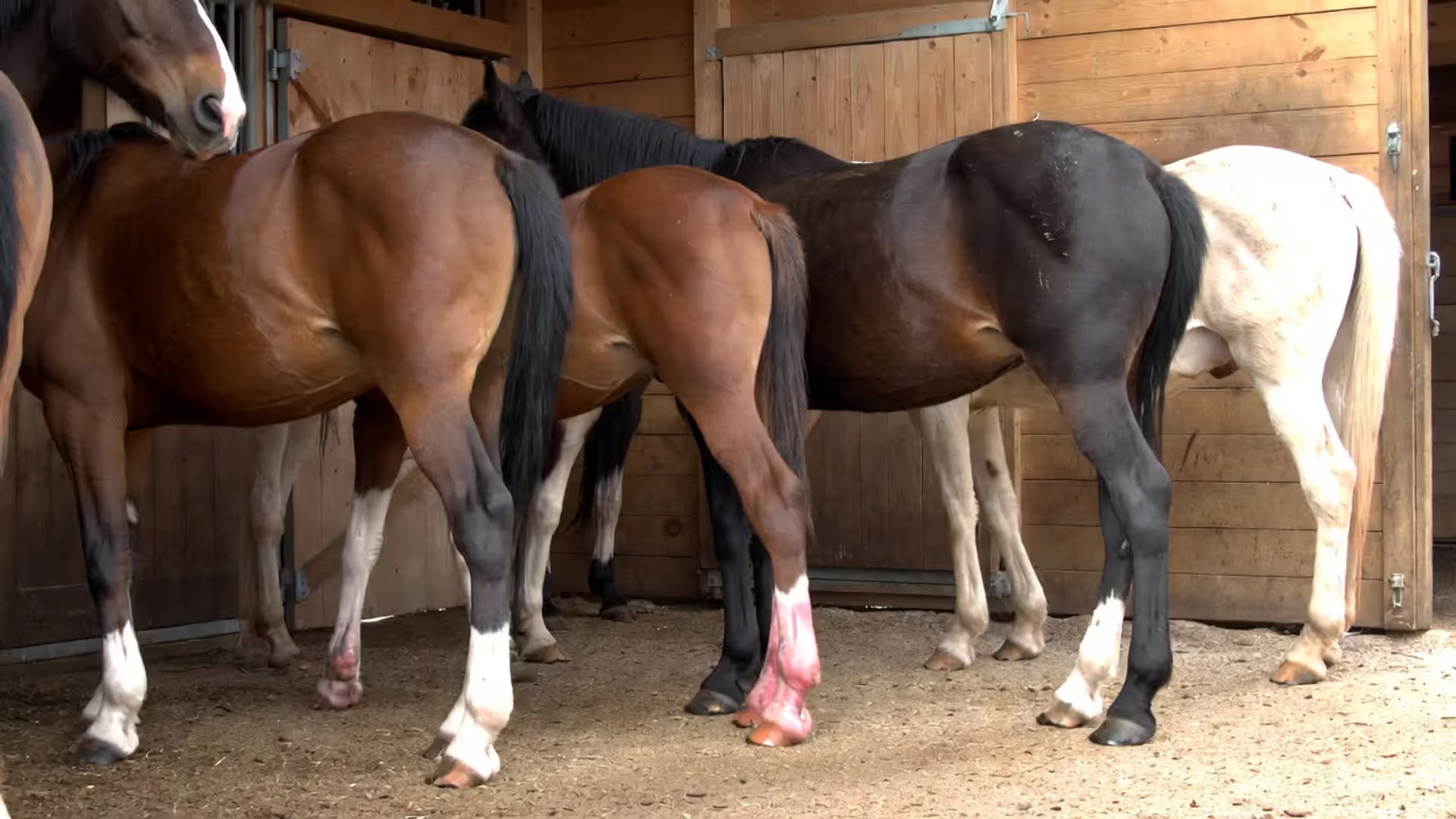
Run your hands down each leg every day, feeling for heat, swelling, or sensitivity. Compare left to right since asymmetry matters more than individual findings. Check whether leg puffiness disappears after movement or persists despite exercise.
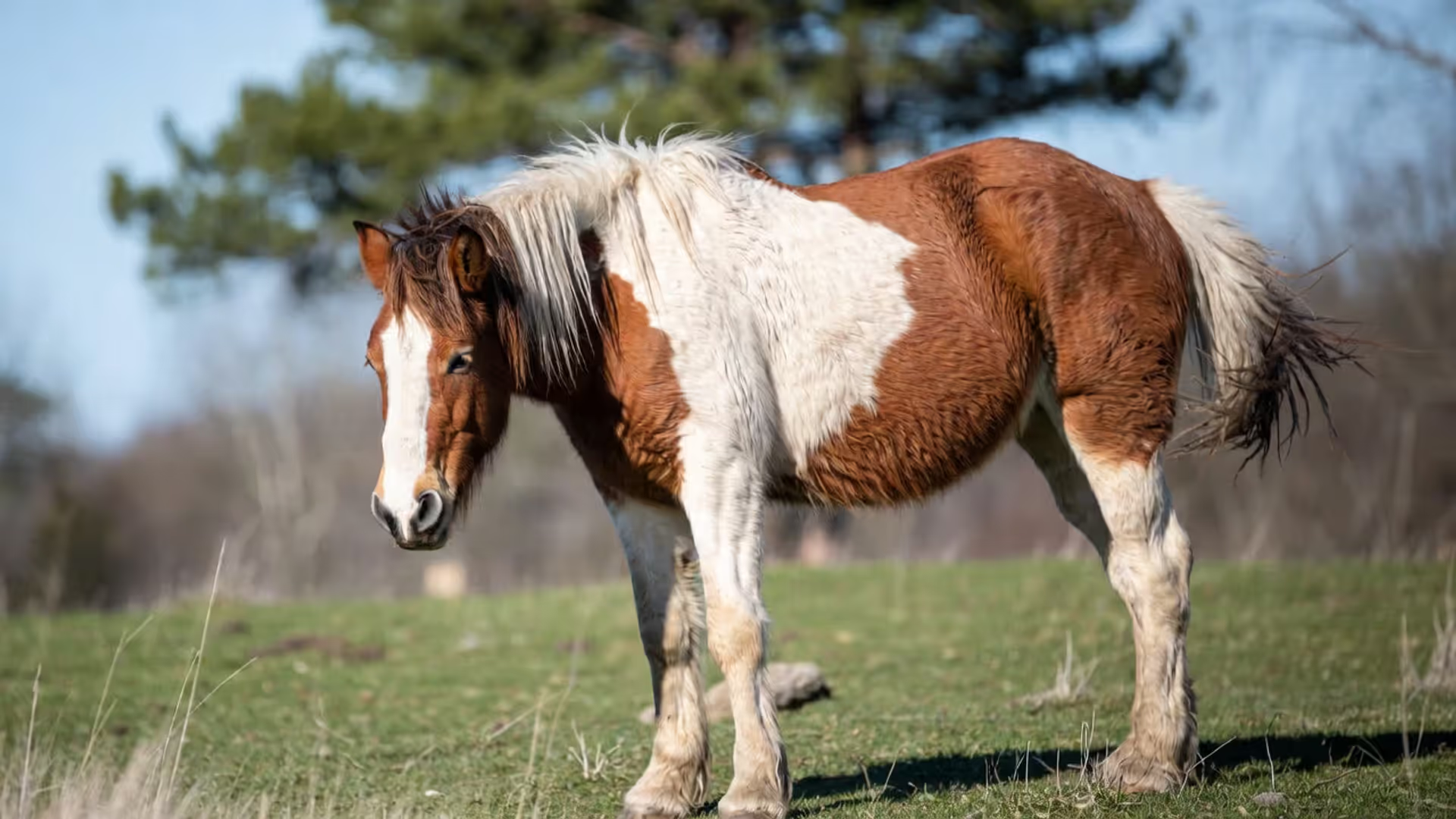
Look at the coat during grooming. Sudden dry patches, localized hair loss, or unexplained scaly areas suggest skin infections brewing. Out-of-season shedding patterns might indicate hormonal problems like Cushing's disease.
Check eyes and nostrils for discharge. Clear, watery drainage differs from thick, colored mucus. Yellow or green discharge signals bacterial infection.
Lift your horse's lip and press his gums. Healthy gum color is salmon pink, and they should refill with color within two seconds after you press them white. Pale gums suggest anemia or shock. Brick-red or purple-tinged gums indicate serious circulation problems or toxicity.
Vital signs give concrete numbers when you're uncertain:
Normal resting heart rate runs 28-44 beats per minute. Find it by pressing your fingers behind your horse's left elbow, or use a stethoscope behind the elbow. Rates above 60 indicate pain or stress. Anything hitting 80 or higher means something's gone seriously wrong.
Count breaths by watching the ribcage: 10-24 breaths per minute when relaxed. Fast, shallow breathing or persistently flared nostrils point toward respiratory compromise.
Rectal temperature should stay between 99-101°F. Anything reaching 102°F or above means fever. Below 98°F suggests shock.
Feel for digital pulses at the pastern—where you'd check for a "bracelet" of swelling. You should barely detect them in healthy horses. Strong, bounding pulses you can easily feel indicate inflammation inside the hoof, often the first warning before laminitis becomes obvious.
Author: Nathan Caldwell;
Source: 3templatedesign.site
Appetite shifts deserve immediate investigation:
Horses evolved grazing 16-18 hours daily. A horse that skips a meal hasn't suddenly become a picky eater. Something hurts enough to override his natural feeding drive.
Watch water intake too. Average horses drink 10-12 gallons daily. Increased consumption without obvious causes—hot weather, hard work, lactation—can signal kidney issues or metabolic disease.
Situations requiring immediate veterinary calls:
Any bleeding you can't stop with ten minutes of direct pressure. Inability to bear weight on a leg. Colic symptoms lasting longer than twenty minutes despite walking. Choke—when food lodges in the esophagus, causing feed material to drain from nostrils, neck stretching, and continuous swallowing attempts.
Eye injuries of any type need same-day treatment. Delay of even twelve hours can cost your horse his vision. Wounds penetrating joints—even tiny punctures—require emergency treatment since joint infections destroy cartilage rapidly.
Suspected snake bites, particularly on the muzzle where swelling can block airways. Neurological symptoms: stumbling without obvious cause, walking in circles, seizures, or sudden paralysis.
Better to call about minor concerns than arrive too late for conditions that deteriorate fast.
Respiratory Infections and Diseases Every Horse Owner Should Know
Respiratory disease spreads through barns faster than rumors at a horse show. One sick horse returning from competition can infect every animal on your property within forty-eight hours.
Equine Influenza and Strangles
Equine influenza develops rapidly. Yesterday afternoon your horse seemed fine. This morning his temperature has spiked to 106°F, he's coughing violently enough to make you wince, and clear discharge streams from both nostrils.
This virus travels in respiratory droplets whenever infected horses cough. Those droplets can travel fifty feet down barn aisles, landing on horses, equipment, and surfaces. Young horses under five years old and any horse behind on vaccinations catch it easiest.
Incubation takes one to three days only. Infected horses shed virus actively for seven to ten days, potentially infecting every horse they encounter during that window. Most recover within three weeks if completely rested, but owners who push horses back to work too soon often see bacterial pneumonia or permanent respiratory scarring develop.
Vaccination offers imperfect but valuable protection. High-risk horses traveling frequently to competitions need boosters every six months. Horses staying home can go annually. Even vaccinated horses occasionally get breakthrough infections, though symptoms tend to be less severe.
Strangles creates those horrifying throat swellings that gave it such a grim name. Caused by Streptococcus equi bacteria, it forms abscesses in lymph nodes under the jaw and around the throat. These eventually rupture, draining thick yellow pus.
Infected horses produce profuse nasal discharge—I'm talking amounts resembling a running garden hose—thick, yellow-green snot. They struggle to swallow, hold their heads in an extended position to ease throat pressure, make loud breathing sounds, and develop painful lumps that grow alarmingly fast over 24-48 hours.
Bacteria spreads through direct nose-to-nose contact, shared water buckets, contaminated feed tubs, and equipment used on multiple horses. An infected horse sheds bacteria for at least four to six weeks minimum. Some become chronic carriers, looking completely healthy while intermittently spreading bacteria for months or even years afterward.
Strict quarantine matters enormously here. Isolate any suspected case immediately—at least fifty feet from other horses. Handle quarantined horses dead last each day. Disinfect equipment with diluted bleach solution (one part bleach to ten parts water). Never share anything between infected and healthy horses. Maintain isolation for six full weeks after all drainage stops, and follow-up testing confirms the horse isn't a carrier.
Treatment depends on abscess stage. Hot packs encourage maturation and drainage. Antibiotics remain controversial—starting them too early can drive infection deeper or create internal abscesses called "bastard strangles" that can be fatal. Most vets prefer letting abscesses mature and drain naturally while providing anti-inflammatory medications and supportive care.
Heaves (Recurrent Airway Obstruction)
Author: Nathan Caldwell;
Source: 3templatedesign.site
Heaves is equine asthma, though "asthma" understates the chronic suffering it causes. Horses develop allergic reactions to dust, mold spores, and particulates in hay and bedding. Each exposure inflames airways further until breathing becomes constant work even at rest.
Affected horses show obvious respiratory effort, especially during exercise. You'll notice increased nostril flaring, abdominal effort with each breath, and often a characteristic "heave line"—a pronounced muscle ridge along the lower ribcage from months of forceful exhalation.
Coughing accompanies most cases, particularly when eating dry hay or during the first few minutes of exercise. Some horses develop severe exercise intolerance despite previously normal fitness levels.
Unlike acute infections you can cure, heaves requires lifelong environmental management. Medications like bronchodilators and corticosteroids help during flare-ups but don't address the root cause. Real improvement comes from eliminating dust exposure completely:
Stop feeding dry hay entirely or soak it thoroughly before feeding (submerged for twenty to thirty minutes). Better still, switch to hay cubes, pellets, or beet pulp—completely dust-free alternatives.
Replace straw or wood shavings with paper bedding, rubber mats, or other dust-free options.
Maximize turnout time. Horses living outside twenty-four hours daily improve dramatically compared to those stabled even part-time.
Ensure excellent barn ventilation without creating direct drafts on stalled horses.
Environmental changes often produce more improvement than any medication protocol can deliver.
Digestive System Disorders: From Colic to Ulcers
The equine digestive system somehow crams one hundred feet of intestine into a space that seems designed for maybe sixty-five feet. This engineering compromise, combined with horses' complete inability to vomit, makes the gut their most vulnerable system.
Types of Colic and Emergency Response
"Colic" just means abdominal pain—the underlying cause determines whether you're dealing with a minor inconvenience or a life-threatening emergency.
Gas colic, the mildest variety, results from excessive fermentation producing uncomfortable gas bubbles. Horses look moderately uncomfortable, may paw occasionally or glance at their flanks, but respond quickly to hand-walking and anti-inflammatory medication like banamine. Most resolve within sixty minutes or less.
Impaction colic happens when feed material lodges in the large colon, usually at one of its natural narrowings. Contributing factors include insufficient water intake (especially common in winter when horses drink less), coarse coastal hay, sudden feed changes, or dental problems preventing proper chewing that would normally break down feed adequately.
Horses with impaction show moderate, persistent discomfort. They stop producing manure—the most telling diagnostic sign. Pain may wax and wane over hours, improving temporarily then returning. Treatment involves intravenous fluids to rehydrate intestinal contents, administering laxatives like mineral oil via nasogastric tube, and pain management while waiting for the impaction to resolve. Most clear within 24-48 hours, but those that don't typically require surgery.
Displacement or torsion represents true surgical emergencies. The large colon can shift out of its normal position or twist completely on its mesentery, cutting off blood supply. Tissue dies quickly without circulation—you're measuring survival time in hours, not days.
Horses with surgical colic show severe, unrelenting pain. They may throw themselves down violently, thrash, try to roll continuously. Heart rate climbs above 60 beats per minute, often reaching 80-100. Gum color shifts from healthy pink to dark red or purple. Gut sounds disappear entirely—silence when listening with a stethoscope over the abdomen. These horses need surgery immediately or they'll die.
Your emergency response plan:
Remove all feed the instant you suspect colic—grain, hay, everything.
Walk the horse if he's manageable, but don't force violent horses to walk—you'll just get hurt and walking won't help a twisted gut.
Don't prevent all rolling. An old myth claims rolling causes twisted guts. Actually, severe pain from already-twisted intestines causes rolling. However, violent, repeated rolling indicates severe pain requiring immediate veterinary attention.
Take vital signs—heart rate matters most for determining severity.
Note when your horse last passed manure and whether it looked normal.
Call your vet immediately. Describe symptoms accurately—pain level, heart rate, last manure passed, and your horse's history with colic. They'll decide whether to treat on-site or refer immediately for surgery based on these factors.
Equine Gastric Ulcer Syndrome
Stomach ulcers affect somewhere between 60-90% of performance horses and roughly 60% of backyard horses, according to multiple gastroscopy studies. That's not a typo—most domesticated horses develop ulcers at some point.
The equine stomach continuously produces hydrochloric acid regardless of whether feed is present. Wild horses graze 16+ hours daily, with constant forage intake buffering that acid. Domestic horses often go 8-12 hours overnight without food. Combine extended fasting periods with high-grain diets, training stress, frequent trailering, and NSAID use, and you've created perfect ulcer conditions.
Symptoms vary wildly, making diagnosis challenging without scoping. Some horses show classic signs: decreased appetite, weight loss despite adequate feed intake, poor hair coat quality, or mild colic episodes shortly after eating concentrate.
Others display behavioral changes owners don't immediately connect to stomach pain: girthiness (objecting when you tighten the girth), resistance to forward movement under saddle, reluctance to accept leg aids, or general crankiness that develops gradually over weeks.
Many horses—especially stoic older ones—show absolutely zero symptoms until ulcers become severe, bleeding, or perforated.
Diagnosis requires gastroscopy—your vet passes a three-meter camera down the esophagus into the stomach while the horse is sedated. They can directly visualize ulcers and grade severity from one (mild) to four (severe).
Treatment with omeprazole (prescription GastroGard or over-the-counter UlcerGard) for 28 days heals most ulcers effectively. Generic versions cost substantially less but vary in bioavailability and reliability. Here's the frustrating reality: without management changes, recurrence runs 60-80% within sixty days of stopping medication.
Prevention strategies:
Provide continuous forage access or feed at minimum every four to six hours around the clock. Extended fasting creates the highest ulcer risk period.
Feed grain meals after hay, never on an empty stomach. That initial layer of roughage helps buffer stomach acid before grain arrives.
Consider alfalfa hay for ulcer-prone horses, as it buffers acid more effectively than grass hay due to higher calcium and protein content.
Minimize stress where possible—consistent daily routine, adequate turnout time, compatible companions, avoiding unnecessary trailering.
For high-risk horses undergoing intense training or frequent showing, prophylactic omeprazole during competition season prevents ulcer development more cheaply than treating established disease repeatedly.
Skin Conditions and External Parasites in Horses
Author: Nathan Caldwell;
Source: 3templatedesign.site
Skin problems rarely kill horses but they spread rapidly through barns, cause significant discomfort, and sometimes indicate underlying systemic disease.
Rain rot (Dermatophilus congolensis) thrives during wet weather conditions. This opportunistic bacteria creates crusty scabs with matted hair tufts stuck to them. Pull a scab gently off, and attached hair comes too, revealing raw, oozing skin underneath. It commonly appears along the topline—back, rump, sometimes extending down the legs—on horses lacking adequate shelter during rainy periods.
Treatment involves removing all scabs while wearing gloves (it can infect humans through skin breaks), washing affected areas daily with antimicrobial shampoo containing chlorhexidine or iodine, keeping the horse dry consistently, and applying topical antibiotics if secondary bacterial infection develops. It resolves within two to three weeks once you eliminate constant moisture exposure.
Ringworm—despite its misleading name—is actually a fungal infection, not a parasitic worm. Circular patches of hair loss with crusty, grayish, scaly skin appear anywhere on the body, though girth and saddle contact areas are most common since tack creates ideal warm, moist conditions for fungal growth.
Ringworm spreads aggressively to other horses and humans through direct contact or shared equipment—grooming tools, saddle pads, blankets. I once treated an entire barn of eight horses and three humans for ringworm, all traced back to one infected horse because people were sharing curry combs between horses.
Treat affected areas with antifungal shampoos containing chlorhexidine or miconazole, or apply topical antifungal creams (over-the-counter athlete's foot cream works fine). Disinfect all tack, blankets, grooming tools, and stall surfaces with 1:10 bleach solution. Quarantine affected horses for at least two weeks after lesions completely resolve to prevent reinfection of the entire barn.
Scratches (pastern dermatitis) affects lower legs, especially the back of the pastern and heel bulbs. It starts as scurfy, scaly skin that progresses to oozing sores and thick, crusty scabs that crack when the horse moves. White legs with pink skin suffer worst—unpigmented skin lacks melanin protection and succumbs faster to bacterial and fungal invasion.
Wet, muddy conditions combined with constant moisture exposure create perfect environments. Horses standing in deep mud for hours daily develop the worst cases.
Clean and thoroughly dry affected areas—easier said than done with muddy horses, but critical for healing. Clip hair if needed to access skin properly. Apply antibacterial ointment like silver sulfadiazine. Most importantly, keep horses out of mud entirely until healed. Severe cases with deep tissue involvement and cellulitis require systemic antibiotics.
Lice and mites cause intense itching, especially during winter months when thick coats provide perfect habitat. Lice are visible with close inspection—tiny, slow-moving insects you can spot crawling on individual hairs, particularly along the mane, tail base, and under the jaw. Mites are microscopic but cause identical symptoms: obsessive rubbing against fences or walls, patchy hair loss from self-trauma, skin irritation, and restless behavior.
Both respond to topical insecticides containing pyrethrins or ivermectin pour-on products. However, treatment requires two applications spaced 10-14 days apart to kill adult parasites and newly hatched nymphs from eggs that survived the first treatment. One treatment never eliminates infestation completely since eggs are resistant to insecticides.
Infectious Diseases That Require Quarantine Protocols
Author: Nathan Caldwell;
Source: 3templatedesign.site
Some diseases carry such serious consequences—high mortality, permanent neurological damage, or threats to entire horse populations—that they trigger mandatory quarantine, testing, or legal reporting requirements.
Equine Herpesvirus-1 (EHV-1) causes three completely distinct disease presentations: respiratory infection (relatively mild), abortion storms in pregnant mares (economically devastating for breeding operations), and neurologic disease called equine herpesvirus myeloencephalopathy or EHM (potentially fatal).
The neurologic form causes progressive weakness, incoordination, urine dribbling or complete retention, and sometimes total paralysis of the hindquarters. Horses deteriorate rapidly over 24-72 hours. Some die from complications; others require euthanasia when paralysis becomes complete and recovery seems impossible.
The virus spreads through respiratory secretions, direct contact with aborted fetuses or fetal membranes, and contaminated equipment or clothing. The truly frightening aspect: infected horses actively shed virus before showing any symptoms, making prevention extremely difficult even with careful biosecurity.
Outbreaks at competition venues have resulted in facility-wide shutdowns, quarantines affecting hundreds of horses for weeks, and millions of dollars in economic losses. The 2011 cutting horse outbreak in Ogden, Utah resulted in 13 horses developing EHM and more than 90 horses quarantined for weeks at the facility.
Vaccination provides limited protection—it reduces respiratory disease severity and abortion rates significantly but doesn't reliably prevent neurologic disease development.
Biosecurity measures matter more: quarantine all new arrivals for 21 days minimum regardless of source, take rectal temperatures twice daily during quarantine periods, isolate any horse showing fever or neurologic signs immediately in complete isolation, and avoid communal water sources at competitions and shows.
Equine Infectious Anemia (EIA), historically called "swamp fever," is a bloodborne viral disease with zero cure and zero margin for error legally. Transmission occurs primarily through biting insects—horse flies and deer flies—that carry infected blood from one horse to another, or through contaminated needles and surgical equipment.
Many infected horses show no clinical symptoms initially but remain permanent carriers for life, continuously posing infection risks to other horses. Some develop recurring episodes of fever, progressive weight loss, severe anemia, and ventral edema, but others appear completely healthy while testing positive on Coggins tests.
The Coggins test detects EIA antibodies in blood samples. Most states require negative Coggins results within 6-12 months for interstate travel, admission to boarding facilities, and participation in competitions or shows.
Positive horses face only two legal options: lifetime quarantine at minimum 200 yards from other horses with strict insect control measures, or euthanasia. No treatment exists anywhere. No legal exceptions exist regardless of circumstances.
West Nile Virus arrived in the United States in 1999 in New York and has now spread to all lower 48 states. Mosquitoes transmit the virus from infected birds (the natural reservoir host) to mammals, including horses and humans.
Roughly 30% of infected horses develop clinical neurologic disease presenting as stumbling, profound weakness, muscle tremors, inability to swallow, partial paralysis, or progression to coma. About one-third of horses showing neurologic signs die despite aggressive treatment efforts.
Vaccination provides excellent protection—approximately 95% efficacy when administered properly. The initial series requires two doses spaced 3-4 weeks apart, followed by annual boosters timed before mosquito season starts, which typically means early spring in most regions. Southern states with year-round mosquito populations often recommend twice-yearly vaccination schedules.
Rabies in horses is relatively rare but 100% fatal once clinical signs appear. Horses contract rabies through bites from infected wildlife—raccoons, skunks, bats, foxes, or coyotes depending on geographic region.
Symptoms vary dramatically between cases but often include bizarre behavior changes, unprovoked aggression toward handlers, profound depression, hypersensitivity to stimuli like light or sound, progressive paralysis, or unexplained colic-like symptoms. Any horse showing sudden, unexplained neurologic signs with no clear diagnosis should be considered a rabies suspect until proven otherwise through testing.
Rabies poses enormous human health risks since the virus spreads through saliva contact with mucous membranes or broken skin. Infected horses frequently bite handlers during disease progression. Any potential rabies exposure requires immediate medical treatment for humans and typically results in horse euthanasia for definitive testing.
Annual rabies vaccination costs $15-25 typically and provides critical protection, especially for horses in rural areas with high wildlife populations around barns and pastures.
Quick Reference: Common Horse Diseases Comparison
Disease Name
Primary Symptoms
Spreads to Other Horses?
Prevention Methods
Typical Recovery Time
Equine Influenza
Temperature spiking to 105-106°F, harsh dry cough, clear nasal discharge
Yes—highly contagious via respiratory droplets
Vaccinate every 6-12 months based on exposure risk
Annual vaccination before mosquito season, mosquito control
Variable—often fatal or causes permanent deficits
EHV-1 (neurologic)
Initial fever followed by progressive weakness, severe incoordination, possible paralysis
Yes—spreads via respiratory secretions
Quarantine new horses, strict biosecurity, vaccination
Variable—often fatal despite treatment
I see too many emergency cases that began as subtle changes owners missed for several days. The most valuable tool isn't some expensive supplement or cutting-edge diagnostic technology—it's knowing what normal looks like for that specific individual. Clients who know their horses' baseline temperature, usual eating speed, and typical manure patterns? They're the ones catching problems early, when we can still fix them easily and affordably.
— Dr. Sarah Mitchell, DVM
Frequently Asked Questions
What is the most common disease affecting horses in the United States?
Colic represents the most frequent equine health emergency, affecting roughly 10% of horses annually according to various studies. But if we're talking chronic conditions rather than acute emergencies, dental disease and gastric ulcers probably affect more horses overall. Multiple gastroscopy studies consistently show that 60-90% of horses develop stomach ulcers at some point during their lives. Parasitic infections used to top this list, but we manage them much more effectively now using fecal egg count testing rather than the old routine interval deworming approach every two months.
How often should my horse be vaccinated against common diseases?
Core vaccines including tetanus, Eastern and Western equine encephalitis, West Nile virus, and rabies typically need annual administration for most horses. Horses traveling frequently to competitions or living in high-exposure environments should receive equine influenza and rhinopneumonitis boosters every six months rather than annually. Pregnant mares specifically need rhinopneumonitis vaccines at months five, seven, and nine of gestation to prevent viral abortion. Your veterinarian will customize timing based on your horse's age, job, geographic location, and individual risk factors. I usually vaccinate in spring so protection peaks during higher-risk summer months when mosquito-borne diseases and overall disease transmission rates both increase.
Can humans catch diseases from horses?
Yes, several zoonotic diseases transfer between horses and humans in both directions. Rabies presents the most serious threat, though fortunately it remains rare. Ringworm spreads very easily through direct contact or shared grooming equipment—I've personally treated entire families who caught it from their horses through curry combs used on multiple animals. Salmonella can transfer through handling infected horses or working in contaminated barn environments. Methicillin-resistant Staphylococcus aureus (MRSA) occasionally moves between horses and handlers. Basic hygiene practices—washing hands thoroughly after handling horses, especially sick ones—prevents most transmission. People with compromised immune systems should take extra precautions around any sick horses.
What should I do if I suspect my horse has colic?
Remove all feed immediately—grain, hay, treats, everything—and contact your veterinarian right away. Don't adopt a "wait and see" approach hoping symptoms resolve on their own. While waiting for the vet, check vital signs: pulse rate, breathing rate, and rectal temperature if you can do so safely. Note whether your horse has passed any manure recently and what it looked like. Walk your horse if he seems calm enough and responds positively to gentle movement, but don't force violent horses to walk since you'll just get injured without helping the situation. Administer pain medication only if your vet specifically instructs you to, since masking symptoms can delay accurate diagnosis and appropriate treatment decisions. Keep water available unless your veterinarian tells you otherwise. Your veterinarian will examine the horse and determine whether on-site treatment is appropriate or whether the case requires immediate referral to a surgical facility equipped for emergency colic surgery.
How much does it cost to treat common horse diseases?
Costs vary dramatically depending on the specific condition, severity level, your geographic location, and whether complications develop. A routine farm call for mild gas colic might run $200-500 including examination, pain medication like banamine, and possibly nasogastric intubation to relieve gas. Colic surgery typically costs $5,000-10,000 or more at referral hospitals, plus several days of intensive post-operative care. Treating gastric ulcers runs $800-1,500 for a full month of prescription omeprazole medication. Managing chronic laminitis can easily reach thousands of dollars over months of intensive veterinary treatment, specialized therapeutic shoeing, and ongoing pain management medications. Strangles treatment averages $500-2,000 depending on complications and whether abscesses require surgical lancing and drainage. Compare these treatment costs to routine prevention: annual vaccination protocols run $150-350 typically, dental care costs $150-400 annually, and strategic deworming based on fecal egg counts runs $50-200 yearly. Prevention consistently costs pennies compared to treatment dollars.
Most horses staying sound and healthy into their twenties and thirties don't necessarily have superior genetics or expensive specialized care programs. They have observant owners who notice small changes quickly, maintain consistent preventive care without shortcuts, and create environments that support natural health rather than fighting against it constantly.
Daily hands-on handling teaches you what "normal" means for your specific horse. Does he typically clean up breakfast in ten minutes or nibble leisurely for thirty? Does he usually stand resting on the left hind or right? Does he greet you at the gate eagerly or wait calmly for you to walk halfway out? These tiny details seem completely trivial until they change unexpectedly—then they become critical diagnostic information pointing toward developing problems.
Build relationships with equine professionals before emergencies force you into crisis management mode. Establish care with a veterinarian who knows your horse's complete health history and understands his baseline normal parameters. Find a competent farrier who understands how proper hoof balance affects overall soundness long-term. Connect with experienced horsemen in your local area who can provide valuable perspective when something seems off but you're genuinely unsure whether it warrants an emergency vet call at 10 PM or can wait until morning.
Document everything systematically. Keep detailed records of vaccination dates, deworming history and fecal egg count results, previous illnesses or injuries, chronic conditions requiring ongoing management, and baseline vital signs taken when your horse is completely healthy. When emergencies happen at midnight, this organized information helps veterinarians make faster, more accurate treatment decisions without guessing. Take clear photos of anything unusual you notice—skin conditions, swellings, wounds, and abnormal manure all document more clearly with visual images than verbal descriptions alone.
Remember that horses evolved as prey animals genetically programmed to hide weakness and pain until they physically can't anymore. By the time symptoms become glaringly obvious to casual observers, underlying problems have often progressed significantly beyond early, easily treatable stages. When something feels wrong—even if you honestly can't articulate exactly what's different—investigate rather than waiting and hoping it resolves spontaneously. A $200 farm call seems expensive in the moment until you compare it to the $9,000 surgical emergency that develops from warnings you ignored for three days.
Your horse depends entirely on you to recognize when he needs help since he can't communicate through words. The information here provides a solid foundation, but practical hands-on experience will teach you more than any article possibly can. Pay close attention daily. Ask questions whenever confused or uncertain. Never hesitate to seek professional guidance when you're worried. The reward for this vigilance? A healthy, sound partner capable of many productive years together ahead.
Laminitis damages the delicate bond between the hoof wall and coffin bone, potentially crippling horses. Understanding how to spot trouble early and respond appropriately can mean the difference between a manageable episode and permanent lameness. Learn the six common triggers and evidence-based prevention strategies.
Colic remains the number one medical cause of death in horses, accounting for nearly 30% of equine fatalities. Early recognition and prompt treatment dramatically improve outcomes. Learn the warning signs, common causes, emergency response protocols, and 12 proven prevention strategies every horse owner needs.
Content on 3templatedesign.site is provided for general informational and educational purposes only. The information on this website may include topics related to horse care, feeding, grooming, horse breeds, training methods, riding techniques, and common horse health conditions.
This content is not intended to be veterinary, medical, training, or professional animal care advice. Horse ownership and riding involve responsibilities and potential risks for both riders and animals.
Users are responsible for evaluating their own experience, equipment, and the condition of their horse before applying any information from this website. Use of this website does not create any professional, veterinary, or advisory relationship with trialstribulations.net.
We are not responsible for any injuries, damages, or losses resulting from the use of information provided on this website. Horse owners and riders are encouraged to consult qualified veterinarians, trainers, or equine professionals when making decisions about horse care or training.