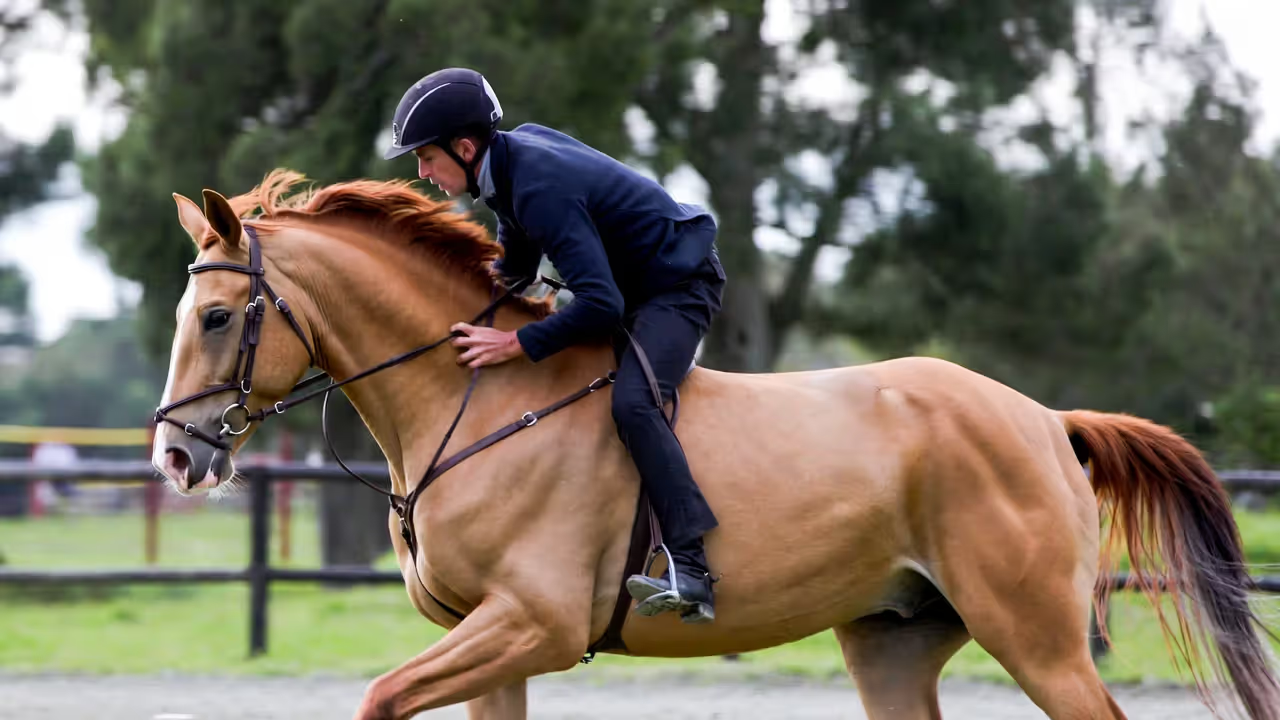
You've just brought home your first horse, or maybe you're staring at a young animal that's never carried a rider. Either way, you're wondering: where do I even start?
Here's what nobody tells beginners: most training problems stem from rushing. Skip the groundwork, and you'll spend months fixing bad habits. Push too hard, and you'll create a nervous wreck. But get the foundation right? You'll have a partner that trusts you completely.
This guide breaks down exactly what works—the exercises trainers actually use, the timeline you should expect, and the mistakes that'll cost you weeks of progress. We'll cover everything from basic leading (harder than it looks) to deciding when your horse can handle a rider.
What You Need Before Starting Horse Training
Let's talk equipment first. You'll need a properly fitted halter—not the cheap nylon one that came free with your saddle purchase. Get a lead rope that's at least 10 feet long. Shorter ropes don't give you enough control during groundwork. Boots with a heel are non-negotiable (your tennis shoes won't cut it if a horse steps on you). Gloves prevent rope burns. And yes, wear a helmet even for ground training. I've seen too many people get kicked or knocked down by a startled horse to skip this.
Your training environment? It matters way more than most people realize. Round pens that measure 50-60 feet across work best for early lessons—they keep the horse focused on you without feeling trapped. Don't have a round pen? Use a small paddock instead, but check that fencing first. Wobbly rails or barbed wire create disaster scenarios. Also, pick quiet times. Training next to a busy road or when other horses are running around makes everything ten times harder. Check the ground too—you want level footing with some give. Concrete's too hard, wet grass is slippery, but dirt or sand works perfectly.
Now, evaluate your horse honestly. Is he recovering from an injury? Underweight? Limping even slightly? Stop right there. Call your vet before attempting any training. Young horses under two years shouldn't carry riders at all—their bones are still developing. Got a horse with serious behavioral issues or trauma? That's above beginner level. Hire a professional for the first month minimum.
Your mental state shows up in every interaction. Horses notice if you're tense, scared, or distracted—they read your body language better than most people read words. Walk out there with a plan, but stay flexible. Training isn't about forcing your will on an animal. It's about creating a two-way conversation.
The Foundation: Ground Training Exercises That Build Trust
Author: Emily Harrington;
Source: 3templatedesign.site
Groundwork builds the entire relationship. Rush past it, and you're building a house on sand.
Leading and Halter Work
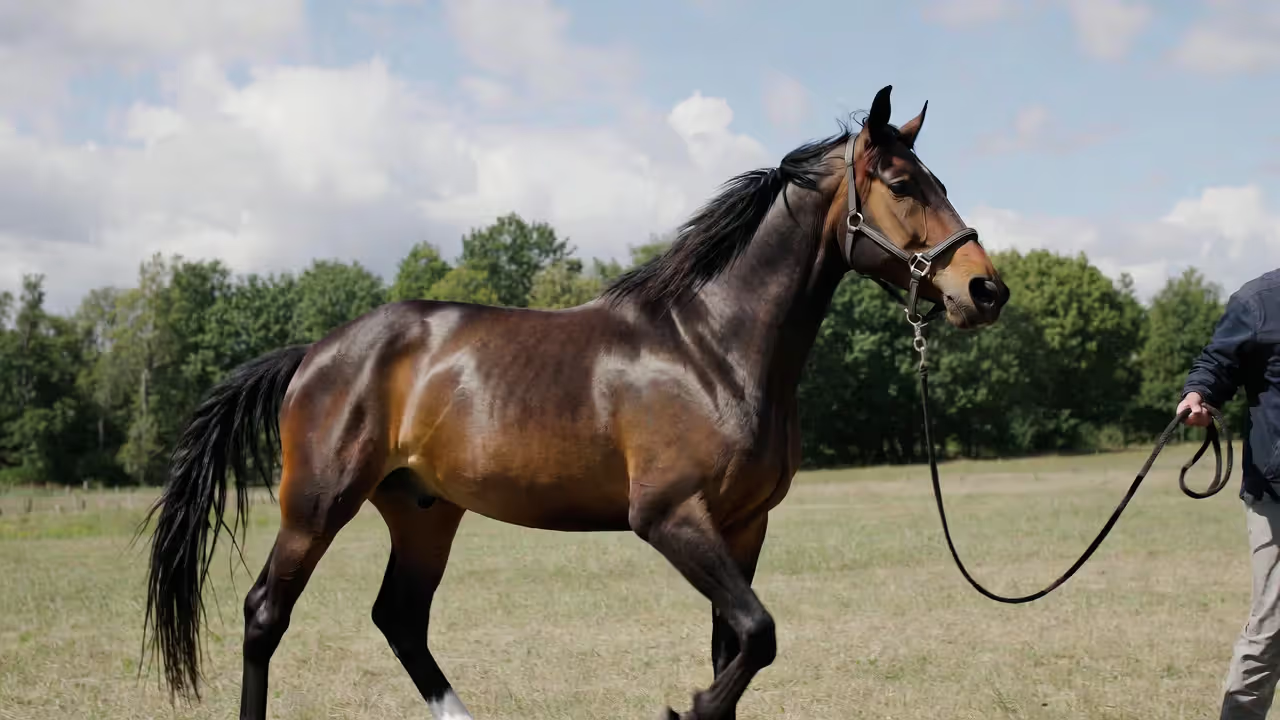
Leading looks simple until you're dealing with a thousand-pound animal that has other ideas. A properly trained horse matches your pace, walks beside your shoulder (not dragging behind or rushing ahead), and respects your personal space.
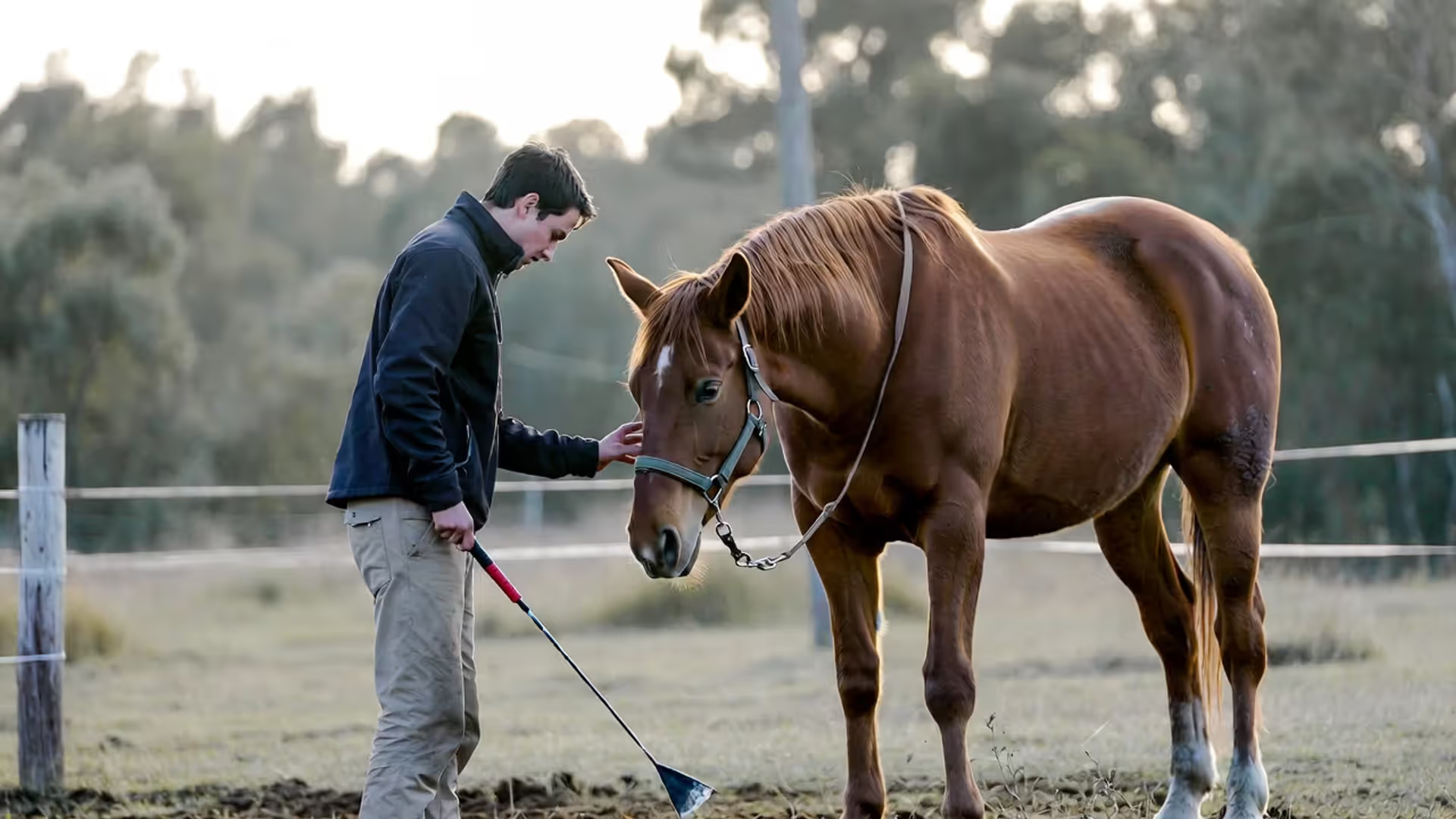
Pick a location away from distractions—other horses, feeding time, or anything that'll pull your horse's attention away from you. Hold the lead rope about 18 inches from the halter in your right hand, coil the excess in your left. Position yourself at the shoulder. Not in front pulling like a water skier. Not behind pushing. Right at the shoulder.
Say "walk" and step forward with confidence. Watch what happens next.
Horse rushes past you? Stop immediately. Back them up several steps. Every single time they crowd you, same consequence. Consistency isn't optional—it's everything. Horse dragging behind? A quick cluck or light tap on the hindquarters with your training stick should wake them up.
Now practice transitions. Walk ten steps. Stop. Walk again. Turn right. Turn left. Walk over ground poles or between cones spaced three feet apart. These variations keep your horse's brain engaged instead of zoning out.
Desensitization Techniques
Horses evolved to run from danger. That plastic bag blowing across the arena? Their brain screams "predator!" Desensitization rewires this response.
Grab a plastic grocery bag and attach it to your training stick. Let your horse spot it from fifteen feet away. Move closer gradually. When they stand calmly (even for two seconds), that's your moment. Let them sniff it. Investigate it. Once they relax, rub the bag gently on their shoulder.
Here's the technique that changes everything: approach and retreat. Apply the "scary" stimulus until you see the tiniest sign of relaxation. Maybe their head drops half an inch. Maybe they lick their lips. Maybe their eye softens. The instant you see that, remove the stimulus completely. You're teaching them that staying calm makes pressure disappear.
Move to more sensitive areas—neck, back, belly, legs. Take your time. Rushed desensitization creates worse problems than no desensitization.
Try umbrellas, tarps, spray bottles, and clippers using this same method. Yeah, it's boring. But three months from now when your horse stands calmly while a tarp flaps in the wind, you'll be glad you put in the work.
Backing Up and Yielding
Getting control of your horse's feet is fundamental. Backing establishes that you direct their movement, not the other way around.
Face your horse directly. Apply light pressure to their chest or halter. Use a verbal cue—"back" works fine. If nothing happens, escalate: tap their chest with your fingers, then your palm, then the training stick. The second they shift their weight backward (even half a step), release all pressure and praise them.
Build gradually. One step today becomes three steps tomorrow becomes straight, balanced backing across the arena next month.
Yielding teaches your horse to move their hindquarters or forequarters away from pressure. For hindquarters, stand at their shoulder facing their hip. Apply pressure to their side with your hand or stick. The moment they step their back legs away from you (crossing over), release immediately.
Why does this matter? A horse that yields their hindquarters can't kick you. A horse that backs up gives you control in dangerous situations—like when you're leading them through a gate and they panic.
Horse Training Methods: Which Approach Works Best?
Author: Emily Harrington;
Source: 3templatedesign.site
Training philosophies aren't religions, but some people treat them that way. The truth? Different methods work for different situations.
Natural horsemanship—popularized by trainers like Pat Parelli and Buck Brannaman—focuses on understanding how horses think. You use pressure and release timing, body language, and exercises that mirror how horses interact in herds. This approach excels with fearful horses and owners who want genuine partnership. The downside? It requires patience some people don't have.
Classical dressage training came from European cavalry schools. It develops balance, suppleness, and responsiveness through systematic exercises that take years to master. Perfect for riders chasing high-level performance. Frustrating if you want faster results.
Clicker training applies behavioral science—you click to mark desired behaviors, then immediately deliver food rewards. Great for teaching complex behaviors and building enthusiasm. The catch? Your timing needs to be perfect, and some horses become pushy about treats.
Traditional Western training developed from practical ranch work. Horses needed to be reliable and quick to train with minimal fuss. This method tends to be more direct with clearer consequences. It produces solid working horses fast but sometimes misses underlying fear or confusion.
Liberty training takes everything to the next level—working with loose horses in a pen without any equipment. It demonstrates ultimate communication but requires serious skill. Not where beginners should start.
Method Name
Core Philosophy
Best Suited For
Time Investment
Beginner-Friendly
Natural Horsemanship
Understanding horse psychology; using pressure/release and herd dynamics
Problem horses, fearful animals, riders wanting deep partnership
30-45 minutes daily, results in weeks to months
Yes
Classical Dressage Training
Building balance and collection through systematic exercises
Marking desired behaviors with sound, then rewarding with food
Teaching specific tasks, building enthusiasm, creative problem-solving
Short frequent sessions, 10-15 minutes multiple times daily
Somewhat
Traditional Western Training
Direct cues with immediate consequences, practical focus
Ranch work, trail riding, quick results
Focused sessions, 30-45 minutes
Yes
Liberty Training
Communication without physical connection or equipment
Advanced trainers, demonstrations, deepening existing bond
High investment, requires solid foundation first
No
Most successful trainers mix and match rather than following one system religiously. Maybe you use natural horsemanship for groundwork, classical principles for developing collected gaits, and clicker training for teaching your horse to stand still for the farrier.
The horse is a mirror to your soul, and sometimes you might not like what you see. Sometimes you will. It takes patience and consistency to build trust with a horse, and you can't rush that process any more than you can rush the seasons.
— Buck Brannaman
Your First 30 Days: A Realistic Training Timeline
Expecting miracles in a month sets you up for disappointment. Here's what actually happens with consistent 30-45 minute daily sessions, assuming your horse has basic handling but limited formal training.
Week 1: Assessment and Foundation
Spend your first few days just watching. How does your horse react to new objects? Do they respect your space naturally, or are they constantly in your bubble? Can they stand tied for twenty minutes without panicking?
These first sessions focus on the basics: leading from both sides, stopping when you stop, backing up with light pressure. Work on standing still while you groom all over. Pick up all four feet without drama.
I know it's not exciting. You want to be lunging or doing fancy stuff. Don't. A horse that won't stand for grooming has no business attempting complex exercises.
Week 2: Expanding Groundwork
Add yielding exercises for both hindquarters and forequarters. Introduce ground poles by leading over them at a walk. Start desensitization—tarps, bags, spray bottles, whatever you can find.
Change locations if possible. Take your horse to different parts of the property. A horse that's perfect in one familiar spot but loses their mind in new places hasn't actually learned—they've just memorized a routine.
Expect some backsliding this week. You add new challenges, your horse tests boundaries they respected last week. Stay consistent. Don't let something slide today that you corrected yesterday.
Week 3: Refinement and Distance
By now your horse should respond to lighter cues. Instead of pulling hard to back them up, a gentle lift on the lead rope should trigger the response. Practice lengthening and shortening stride while leading—this builds responsiveness.
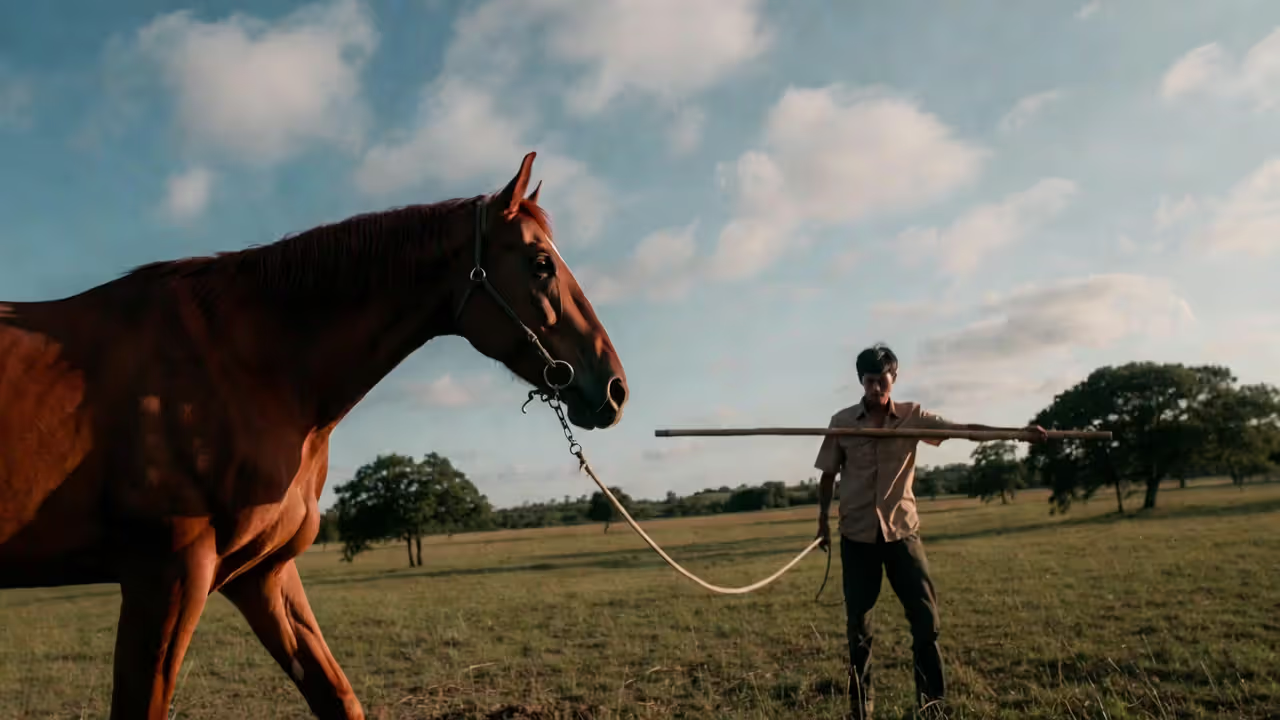
If you're using natural horsemanship methods, introduce distance work. Can you send your horse around you in a circle using just body language and a training stick? Can you change their direction by shifting your position?
Increase desensitization difficulty: flapping tarps, rattling cans, walking through puddles or streams. Real life isn't perfectly calm and controlled.
Week 4: Consolidation and Assessment
Don't add new skills this week. Instead, solidify everything you've taught. Run through all exercises in random order, different locations, different times of day. Get a friend to watch and point out where your horse shows confusion.
Common problems at day 30: horses that regress when tired, distracted, or in unfamiliar environments. This tells you the training hasn't fully "stuck." You need more repetition in varied contexts.
By the end of a month, expect your horse to lead politely, back up on cue, yield hindquarters and forequarters smoothly, stand tied calmly for thirty minutes, and show significantly reduced reactivity to common stimuli. They're not done with training. They're ready for the next phase.
7 Mistakes New Horse Trainers Make (And How to Avoid Them)
1. Inconsistent Consequences
Monday you're tired, so you let your horse crowd your space. Tuesday you correct it firmly. Wednesday you're distracted by your phone and don't notice. Your horse learns absolutely nothing except that you're unpredictable. Pick your boundaries and enforce them identically every single time, regardless of mood, energy level, or how late you're running.
2. Training Sessions That Run Too Long
Ninety minutes sounds productive. It's not. Horses learn best in focused 20-30 minute sessions. After that, attention fades and mistakes multiply from fatigue, not misunderstanding. Two short sessions with a break between beats one marathon every single time.
3. Punishing Fear
Your horse spooks at a tarp. You get frustrated and yank the lead rope hard. Congratulations—now the horse associates the tarp with your anger, making the fear exponentially worse. Fear requires systematic desensitization and patience, not punishment. The horse isn't being stubborn. They're genuinely frightened.
4. Skipping Groundwork to Get Riding Faster
The first steps in horse training happen on the ground. Period. A horse that doesn't respect your space on the ground definitely won't respect you on their back. Rushing to riding creates dangerous situations. You'll end up going back to fix foundational issues anyway—except now you've also taught the horse that bad behavior works.
5. Unclear Body Language
You ask your horse to move forward while unconsciously leaning backward. You want them calm while your shoulders are tensed up to your ears. Horses respond more to body language than verbal commands. Video yourself during a training session—you'll spot confusing signals you didn't realize you were broadcasting.
6. Drilling the Same Exercise Repeatedly
Repetition builds muscle memory, sure. But doing the same exercise 50 times in one session creates a sour, resentful horse. Once your horse performs correctly three consecutive times, move on. You can revisit it tomorrow.
7. Ignoring Small Resistances
Your horse pins their ears slightly when you approach their hindquarters. You ignore it because they didn't actually kick. Small warnings escalate. Address subtle signs of disrespect or discomfort before they become dangerous behaviors that land you in the hospital.
When to Move from Ground Work to Saddle Training
Author: Emily Harrington;
Source: 3templatedesign.site
Rushing this transition causes more wrecks than almost anything else. Your horse might seem ready—they're calm and obedient, right? But specific readiness indicators should guide your decision, not your impatience.
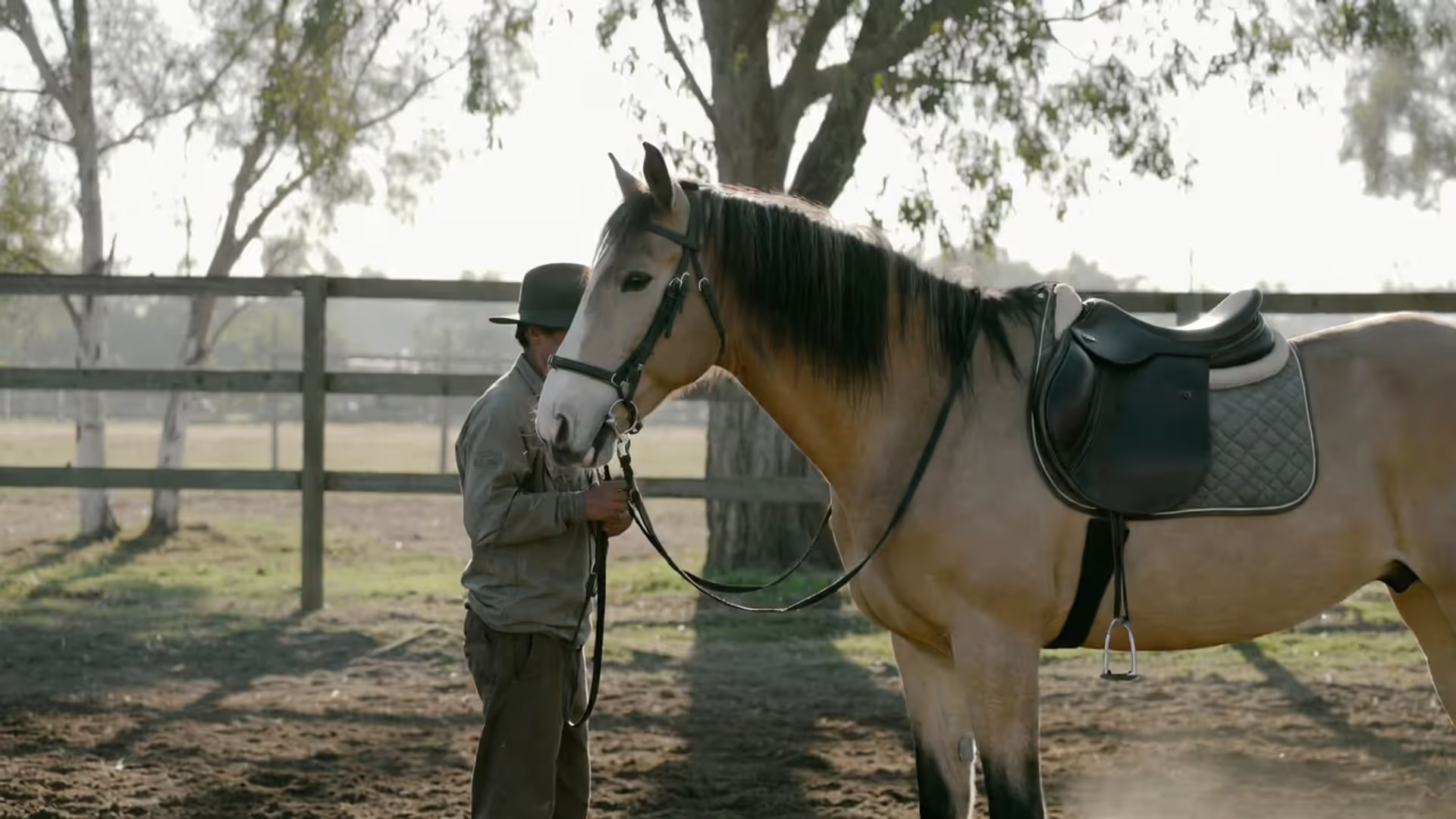
First, your horse needs to accept tack without tension. Introduce the saddle pad separately, then the saddle itself. Let them wear it during groundwork exercises they already know well. They should walk, trot, halt, and back up with the saddle on without showing any signs of bucking, crow-hopping, or panic.
Second, reliable lunging at walk, trot, and canter in both directions with voice command transitions. Lunging with the saddle on simulates the weight and movement they'll experience carrying a rider.
Third, thorough desensitization. Lead them past scary objects, through water, over tarps. A horse that spooks violently on the ground will do the same under saddle—except now you're at risk of serious injury from being thrown.
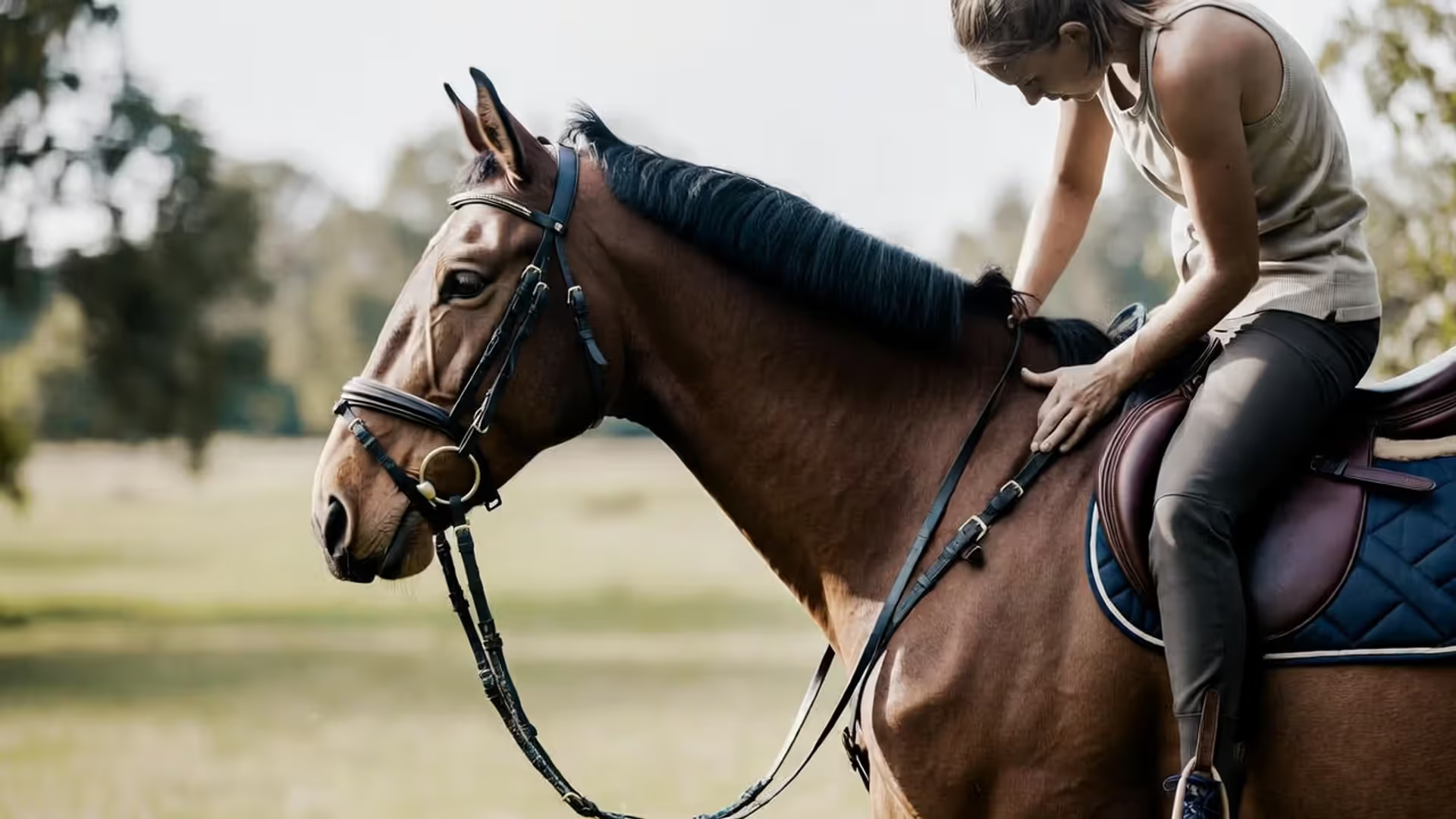
Fourth, they must stand absolutely still for mounting practice. Use a mounting block and simply lean across the saddle initially, gradually adding more weight before swinging your leg over. Many trainers spend three or four sessions just leaning over the horse, letting them adjust to weight on their back without adding the complexity of a rider.
Age considerations matter more than most people think. Avoid riding horses under three years old—their bones and joints are still developing. Starting too early causes soundness issues that can shorten their working life by years. Some breeds mature slowly. Warmbloods and draft crosses often benefit from waiting until four.
When you finally mount for the first time, have an experienced handler on the ground. Work in an enclosed area—a round pen is ideal. Your first rides should be brief—maybe just sitting quietly while the horse walks for five minutes, then dismounting. Build duration and complexity gradually over several weeks, not days.
Red flags your horse isn't ready: tension or anxiety when you approach with tack, explosive reactions to leg pressure during ground driving, inability to stand still for mounting practice for even thirty seconds, or frequent spooking during groundwork. Address these issues completely before adding the complexity of a rider.
Frequently Asked Questions About Horse Training
How long does it take to train a horse from scratch?
Basic ground manners and readiness for first rides typically require 60-90 days of consistent work—and that's with daily sessions. Developing a fully trained, reliable riding horse requires six months minimum, often closer to a year. Some aspects of training continue throughout the horse's entire life. Your horse's age, temperament, previous experiences, and your skill level all affect the timeline dramatically. A calm, confident horse with a patient, experienced trainer progresses way faster than a fearful horse with a beginner still learning the ropes.
Can you train a horse by yourself, or do you need a professional?
An experienced horse person with solid skills can successfully train their own horse using a starting horse training guide and consistent practice. But if you're a complete beginner? You lack the timing, body awareness, and safety knowledge to train effectively. Worse, you risk creating dangerous habits in your horse that professionals charge thousands to fix later. Consider working with a professional for at least the first 30-60 days to establish foundation properly, then continuing the training yourself under periodic supervision. This approach balances cost with safety and sets you both up for success.
What age should a horse be before starting training?
Basic handling, leading, and ground manners can begin when foals are just a few months old—it's actually easier to teach them early. Formal training with structured groundwork exercises typically starts around 18-24 months. Most professionals avoid riding horses until they reach at least three years old because their skeletal system is still developing. Some breeds mature more slowly—Warmbloods and draft crosses often benefit from waiting until age four. Starting too early dramatically increases the risk of joint problems, back pain, and shortened working life. The few months you save aren't worth years of veterinary bills.
How much time per day should I spend training my horse?
Quality matters infinitely more than quantity. A focused 30-minute session accomplishes more than a scattered 90-minute session where you're both bored and distracted. For young or inexperienced horses, 20-30 minutes of actual training work is plenty, though you might spend additional time on grooming and general handling. You can split this into two short sessions daily if your schedule allows, with several hours between them. Don't overlook rest days—horses consolidate learning during downtime, so training 5-6 days per week with rest days produces better results than grinding through daily drilling sessions that leave you both exhausted.
Training a horse successfully requires more than memorizing techniques from an article. You need to develop timing, awareness, and empathy. The exercises in this guide provide a roadmap, but your horse will teach you as much as you teach them if you pay attention to their responses instead of just pushing your agenda.
Expect setbacks. Progress isn't a straight line upward. You'll have breakthrough days where everything clicks. You'll have frustrating sessions where you seem to be going backward. Horses that seem difficult in the beginning often become the most rewarding partners once you crack the communication code together.
Prioritize safety in every session without exception. No training goal is worth a trip to the emergency room. If a situation feels dangerous, stop and reassess. There's zero shame in asking for help from a more experienced trainer when you encounter problems beyond your current skill level. Pride isn't worth getting hurt.
Keep in mind that each horse is unique. The timeline and techniques that work perfectly for one horse might need significant adjustment for another. Stay flexible, observe carefully, and adjust your approach based on what your horse tells you through their behavior and responses, not what you think should work.
The foundation you build during these early training stages affects everything that follows—your horse's confidence, their willingness to try new things, and the safety of every ride you'll take together for years. Invest the time to do it right now, and you'll have a partner you can trust completely.
Master the art of saddling with this comprehensive guide covering equipment prep, proper placement techniques, and safety checks. Learn to avoid common mistakes that cause horse discomfort and discover how to identify poor saddle fit before it leads to injury.
Halter training forms the foundation of every interaction you'll have with your horse. This complete guide covers equipment selection, step-by-step training methods for foals and adult horses, teaching proper leading position, and troubleshooting resistance with practical solutions that build trust and safety.
Content on 3templatedesign.site is provided for general informational and educational purposes only. The information on this website may include topics related to horse care, feeding, grooming, horse breeds, training methods, riding techniques, and common horse health conditions.
This content is not intended to be veterinary, medical, training, or professional animal care advice. Horse ownership and riding involve responsibilities and potential risks for both riders and animals.
Users are responsible for evaluating their own experience, equipment, and the condition of their horse before applying any information from this website. Use of this website does not create any professional, veterinary, or advisory relationship with trialstribulations.net.
We are not responsible for any injuries, damages, or losses resulting from the use of information provided on this website. Horse owners and riders are encouraged to consult qualified veterinarians, trainers, or equine professionals when making decisions about horse care or training.